
EPISODE · Nov 12, 2023 · 32 MIN
Standing in Two Worlds-Episode 76-Treating Types of War Induced Trauma
from Yeshiva of Newark Podcast · host Avramel Kivelevitz
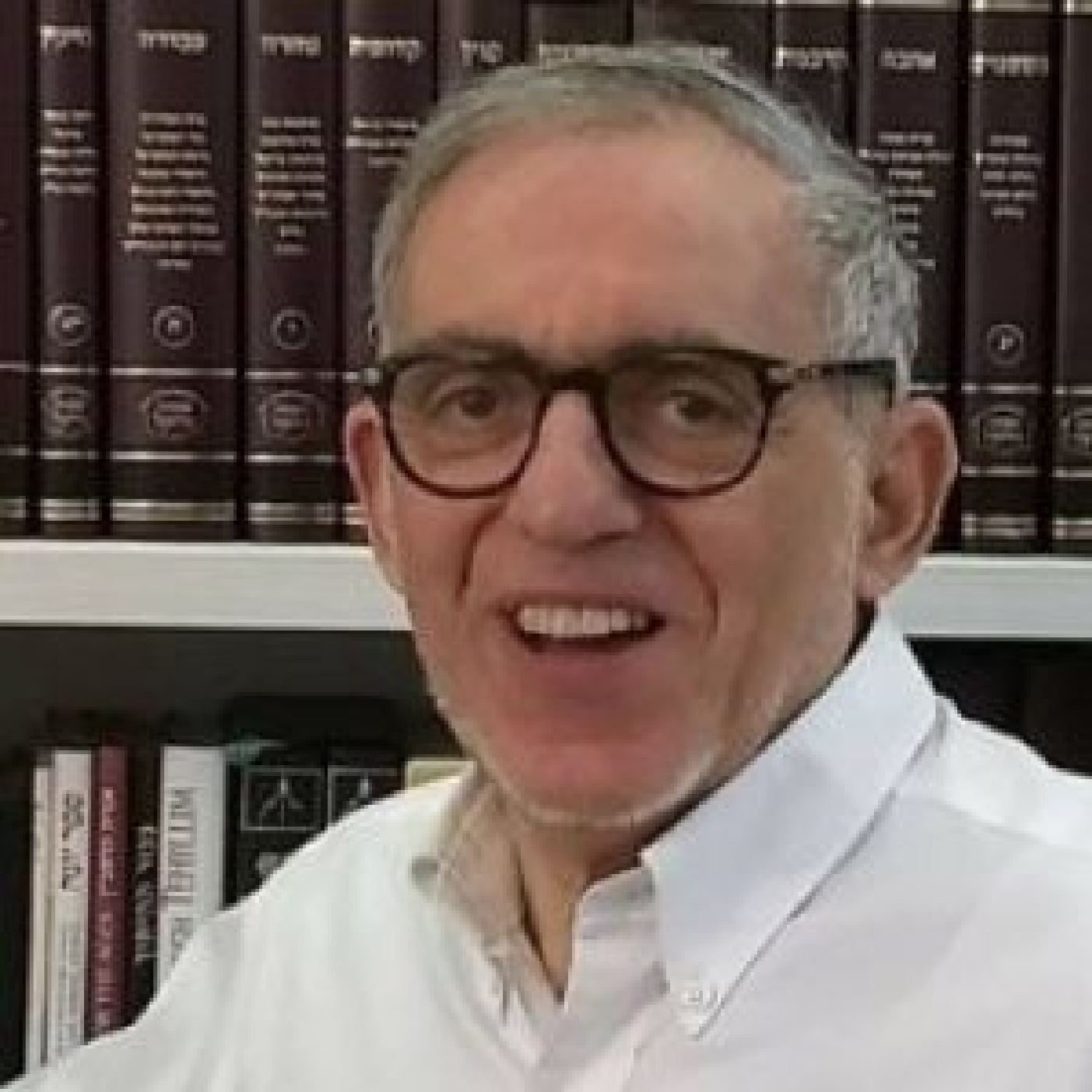
The Psychiatric Trauma Effects of War & Coping Styles of Different Israeli Cohorts Prof. Juni delineates the internal defensive coping approaches available to Israeli Jews. Confronted by profound threat to their safety – especially as it may contrast with the safety of Jews in other countries – they basically have three options: 1) To convince themselves thatJews in other countries are not any safer, pointing to antisemitism, reported events threatening protests and/or theorizing about imminent catastrophes in the diaspora; 2) To convince themselves that they are actually safe, relying on various spins about the situation; 3) Resorting to identification with the greater Israeli Jewish population, nationalism, and Zionism,arguing that Jews are safest in our own country where we can defend ourselves – often coupled with religious conviction that G-d has our back. Dr. Juni explains how prolonged tension and repeated trauma can lead to total personality breakdown. Painting the entire world black and dangerous can have debilitating consequences on the ego, well-being, and relationship capacity. In terms of theological effects,Juni adds that people under prolonged stress will start doubting their basic beliefs and commitments – a reaction which makes them feel guilty and disoriented. He points out,however, that such reactions are a very normal part of a positive adjustment which usually passes and often results in a commitment to values which is stronger that it was before the crisis. Juni presents three distinct groups who show different anxiety reaction patterns to the current war and traumatic events: Native Israelis, Dual citizens, and 2 nd -generation Holocaust survivors. Native Israelis are not here by choice and have no escape options – and are forced to“face the music.” Dual citizens – especially those who chose to stay – are apt to start second-guessing their decisions and their resolve, and might feel guilty for endangering their loved ones for an ideal as they second-guess their beliefs and resolve. Second generation Holocaust Survivors may well become convinced that their “never Again” mantra was a sham as they identify with their parents and feel they are re-living the Holocaust they thought they had left behind in past history. More poignantly, these survivors may vilify themselves for betraying their children whom they raised in Israel with the implicit promise that they will be protected from a repetition of anything resembling the Holocaust. For each cluster, Juni outlines the phenomenology of their reactions, the logic and pseudo-logic they engage in, their attitudes,and the stances that help them cope, as well as the effects of their beliefs, their self-image, their fears, and their harrowing anticipations. In terms of intervention, Juni stresses that the main first-line option for these anxiety reactions is psychotropic medication – specifically anxiolytics. What we are dealing with is a chemical/physiological reaction to trauma (anxiety). There is no feasibility of using psychological therapies for people who are in panic mode. Behavioral therapies and talk therapies are often helpful as well, but only after the acute reactions are first brought under control medically. In conclusion, Rabbi Kivelevitz relates his recent experiences in Israel. Having met a number of terror victims’ families, he saw firsthand the amazing bravery of spirit and national identification among various sectors of the population which brought out the best in Israelis. Prof. Juni is one of the foremost research psychologists in the world today. He has published ground-breaking original research in seventy different peer reviewed journals and is cited continuously with respect by colleagues and experts in the field who have built on his theories and observations. He studied in Yeshivas Chaim Berlin under Rav Yitzchak Hutner, and in Yeshiva University as a Talmid of Rav Joseph Dov Soloveitchik. Dr. Juni is a board member of the Association of Orthodox Jewish Scientists and has regularly presented addresses to captivated audiences. Associated with NYU since 1979, Juni has served as Director of PhD programs, all the while heading teams engaged in cutting-edge research. Professor Juni's scholarship on aberrant behavior across the cultural, ethnic, and religious spectrum is founded on psychometric methodology and based on a psychodynamic psychopathology perspective. He is arguably the preeminent expert in Differential Diagnostics, with each of his myriad studies entailing parallel efforts in theory construction and empirical data collection from normative and clinical populations. Professor Juni created and directed the NYU Graduate Program in Tel Aviv titled Cross-Cultural Group Dynamics in Stressful Environments. Based in Yerushalayim, he collaborates with Israeli academic and mental health specialists in the study of dissonant factors and tensions in the Arab-Israeli conflict and those within the Orthodox Jewish community, while exploring personality challenges of second-generation Holocaust survivors. Below is a partial list of the professional journals where Professor Juni has published 120 theoretical articles and his research findings (many are available online): Journal of Forensic Psychology; Journal of Aggression, Maltreatment, and Trauma; International Review of Victimology; The Journal of Nervous and Mental Disease; International Forum of Psychoanalysis; Journal of Personality Assessment; Journal of Abnormal Psychology; Journal of Psychoanalytic Anthropology; Psychophysiology; Psychology and Human Development; Journal of Sex Research; Journal of Psychology and Judaism; Contemporary Family Therapy; American Journal on Addictions; Journal of Criminal Psychology; Mental Health, Religion, and Culture. As Rosh Beis Medrash, Rabbi Avraham Kivelevitz serves as Rav and Posek for the morning minyan at IDT. Hundreds of listeners around the globe look forward to his weekly Shiurim in Tshuvos and Poskim and Gaonic Literature. Rav Kivelevitz is a Maggid Shiur for Dirshu International in Talmud and Halacha as well as a Dayan with the Beth Din of America. This podcast has been graciously sponsored by JewishPodcasts.fm. There is much overhead to maintain this service so please help us continue our goal of helping Jewish lecturers become podcasters and support us with a donation: https://thechesedfund.com/jewishpodcasts/donate
Embed this episode
Ready to play
Standing in Two Worlds-Episode 76-Treating Types of War Induced Trauma
No transcript for this episode yet
Similar Episodes
No similar episodes found.
Similar Podcasts
No similar podcasts found.