
EPISODE · Feb 11, 2025 · 11 MIN
State of the Climate - 2024 and Beyond
from Meteorology Matters
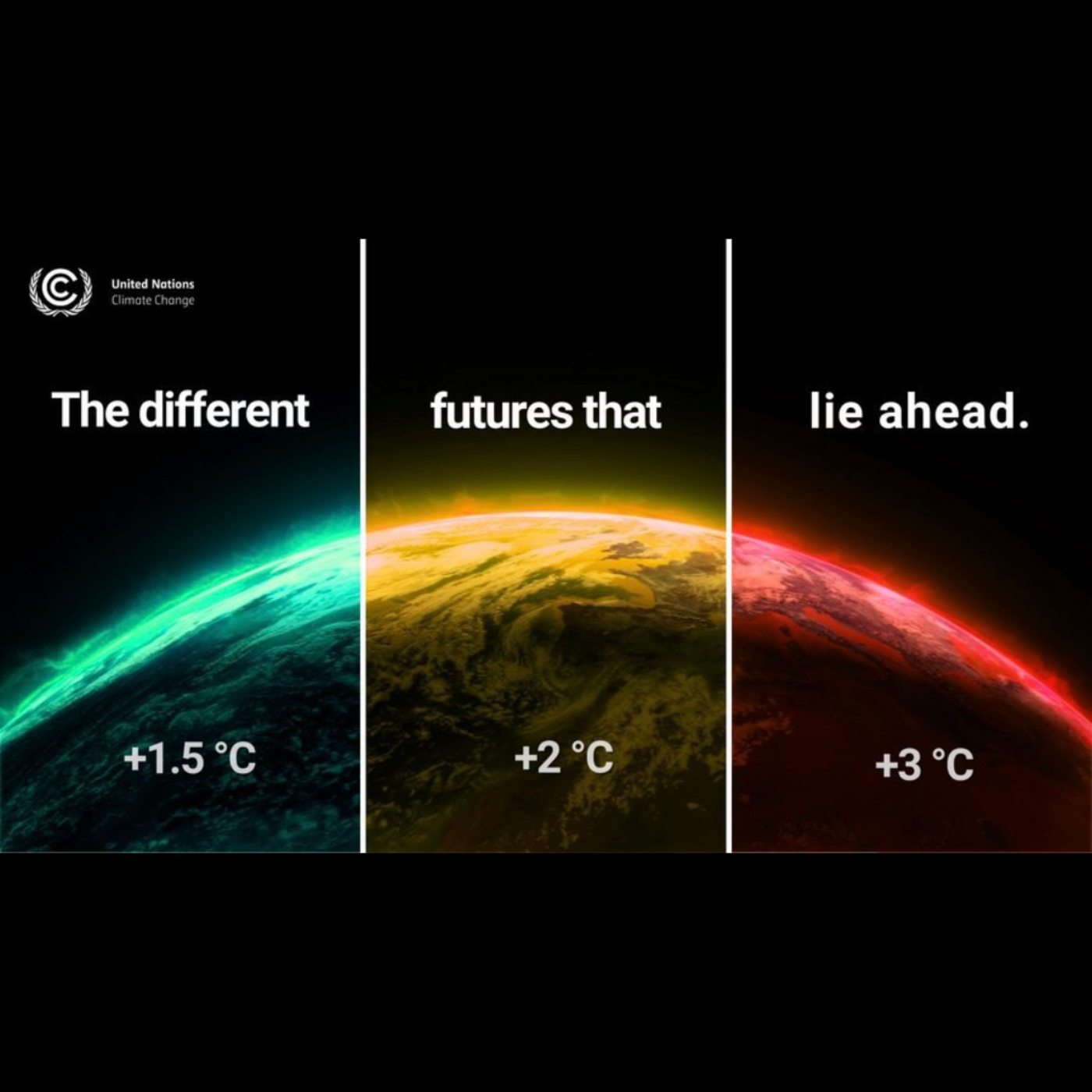
State of the Climate - 2024 and Beyond2024 is confirmed as the hottest year on record, surpassing 2023, and marking a decade of unprecedented heat. This has triggered extreme weather events globally and heightened concerns about the potential for earlier-than-expected breaches of the Paris Agreement's 1.5°C warming threshold. Scientists are investigating factors beyond fossil fuel emissions and El Niño, such as aerosol reductions from shipping regulations and decreased cloud cover, to fully explain the surge in temperatures. While international agreements and initiatives are in place, urgent and accelerated climate action is imperative to mitigate future warming and adapt to its impacts.Key Themes and Ideas:Record-Breaking Temperatures:2024 is set to be the warmest year on record, continuing a trend of escalating temperatures: "The year 2024 is set to be the warmest on record, capping a decade of unprecedented heat fuelled by human activities." (UN News)The past decade has seen the warmest years on record. "The past 10 years have been the warmest 10 years since record-keeping began." (NPR)Average global temperatures exceeded 1.5°C above pre-industrial levels. (Al Jazeera)Earth experienced its warmest day ever on July 22, 2024. (Al Jazeera)January 2024 was the warmest January on record, with an average surface air temperature of 13.14˚C. (Al Jazeera)Exceedance of Paris Agreement Thresholds:There is growing concern that long-term warming may exceed the Paris Agreement's 1.5°C limit sooner than expected. "Recent warming has sparked debate about whether the world might exceed the 1.5 °C Paris Agreement limit earlier than previously estimated." (Twelve months at 1.5 °C signals earlier than expected breach of Paris Agreement threshold)Twelve consecutive months with temperatures at least 1.5°C above pre-industrial levels raises alarms, although experts note this doesn't automatically mean the long-term goal has been exceeded.Analysis suggests that exceeding 1.5°C for 12 consecutive months indicates the Paris Agreement threshold is likely to have already been crossed. "Hence, in CMIP6 simulations, 12 consecutive months above 1.5 °C indicates that the Paris Agreement threshold is likely to have already been crossed" (Twelve months at 1.5 °C signals earlier than expected breach of Paris Agreement threshold)Even exceeding the threshold in one year doesn't signal complete failure. Temperatures need to breach 1.5 degrees Celsius consistently, calculated over a 20-year average. "Passing that threshold in one year doesn't mean countries have failed, however. Temperatures would need to consistently breach 1.5 degrees Celsius, according to scientists, calculated over a 20-year average." (NPR)Extreme Weather Events:Rising temperatures are linked to an increase in the frequency and intensity of extreme weather events: "Climate change also intensified 26 of the 29 weather events studied by World Weather Attribution that killed at least 3700 people and displaced millions." (UN News)Examples of extreme events include deadly floods, devastating wildfires, early heatwaves, and catastrophic hurricanes. (Al Jazeera)Europe could see millions of deaths from extreme heat by the end of the century if carbon pollution is not reduced and adaptation measures aren't implemented. "Extreme temperatures — mostly heat — are projected to kill as many as 2.3 million people in Europe by the end of the century unless countries get better at reducing carbon pollution and adapting to hotter conditions, a new study says." (TIME)
Embed this episode
NOW PLAYING
State of the Climate - 2024 and Beyond
No transcript for this episode yet
Similar Episodes
No similar episodes found.
Similar Podcasts
No similar podcasts found.