
EPISODE · Apr 23, 2026 · 32 MIN
Stop Snoring, Start Sleeping: What You Need to Know About Sleep Apnoea and Ageing
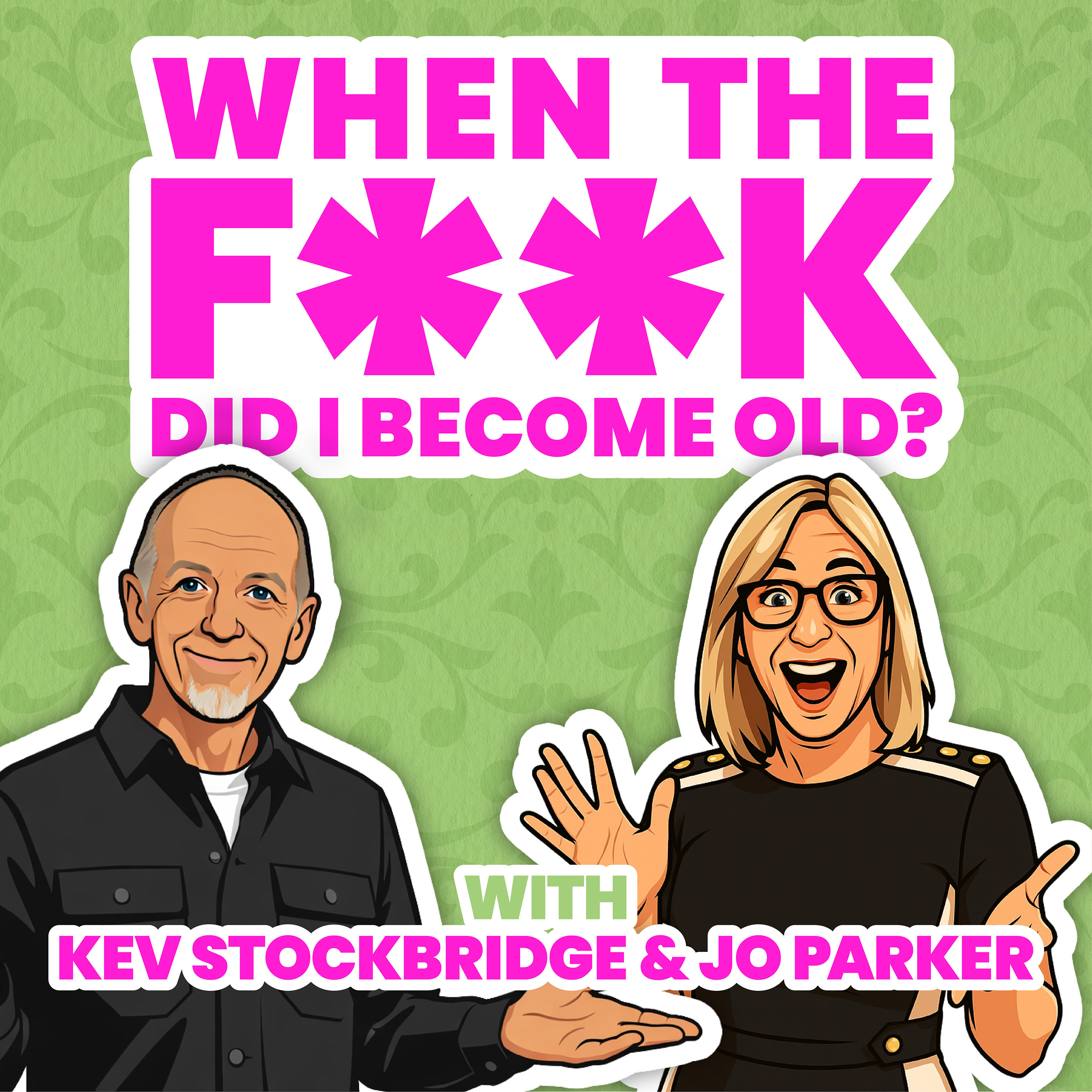
from When the f**k did I become old? · host Jo Parker
Timed to coincide with National Stop Snoring Week (27 April to 3 May). Episode DescriptionJo sits down with sleep psychologist Dr Maja Schaedel to unpack everything nobody tells you about snoring, sleep apnoea and ageing. From why women approaching menopause are increasingly at risk, to whether sleeping in separate bedrooms might actually save your relationship, this conversation covers the practical, the awkward and the surprisingly funny. Key Takeaways• Snoring disrupts partners more than snorers themselves. Sleeping apart is not the beginning of the end. • Women approaching menopause are increasingly likely to snore and develop sleep apnoea due to hormonal and physical changes in the throat.• Sleep apnoea in women often looks different to men. Watch for fatigue, lethargy, dry mouth and broken sleep rather than obvious snoring.• Alcohol worsens snoring. Move your drinks earlier in the evening so your body has time to process it before bed. • There are multiple types of snoring. The BSSAA free interactive sleep test can help identify which type you have before you see a GP.• A CPAP is still the gold standard for sleep apnoea. Less severe cases may be treated with a mandibular advancement device.• Magnesium might improve sleep by about 15 minutes. CBT for insomnia (CBT-I) is far more evidence-based. Apps like Sleepio and Sleepful are a good starting point.• Power naps work best at 15 to 20 minutes. Beyond 30 minutes, you risk sleep inertia and feeling worse than before.• Sleep quality naturally declines after 55 for both men and women.• Poor sleep costs the average person around £5,000 a year. Timestamps00:00 Welcome and introducing Dr. Maja Schaedel and the problem of snoring01:15 Why partners suffer more than snorers03:07 Why people snore, menopause, hormones and the snoring link04:06 Sleeping apart: stigma, reality and relationship benefits07:04 Sleep apnoea symptoms in women versus men07:50 How insomnia and sleep apnoea feed each other10:02 National Stop Snoring Week and the BSSAA11:05 Sleep position, alcohol and easy lifestyle tweaks12:35 Types of snoring and the BSSAA sleep test14:56 What to do if you suspect sleep apnoea16:30 CPAP, mouth guards and treatment options18:30 Perimenopause, hormones and disrupted sleep20:58 Why sleep declines after 55 for everyone22:16 The perfect power nap (and when it backfires)24:02 The hidden £5,000 a year cost of bad sleep25:29 Magnesium, melatonin and what the research actually says26:10 CBT-I, sleep apps and where to get real help LinksBritish Snoring and Sleep Apnoea Association: britishsnoring.co.ukThe Good Sleep Clinic: goodsleep.clinic/sleepio.comsleepful.me
Embed this episode
NOW PLAYING
Stop Snoring, Start Sleeping: What You Need to Know About Sleep Apnoea and Ageing
No transcript for this episode yet
Similar Episodes
No similar episodes found.
Similar Podcasts
No similar podcasts found.