Super Bowl, Coachella, Grammys: What's left for BTS to conquer in its '2.0' era? episode artwork

EPISODE · May 11, 2026 · 7 MIN

Super Bowl, Coachella, Grammys: What's left for BTS to conquer in its '2.0' era?

from Korea JoongAng Daily - Daily News from Korea · host SHIN HA-NEE

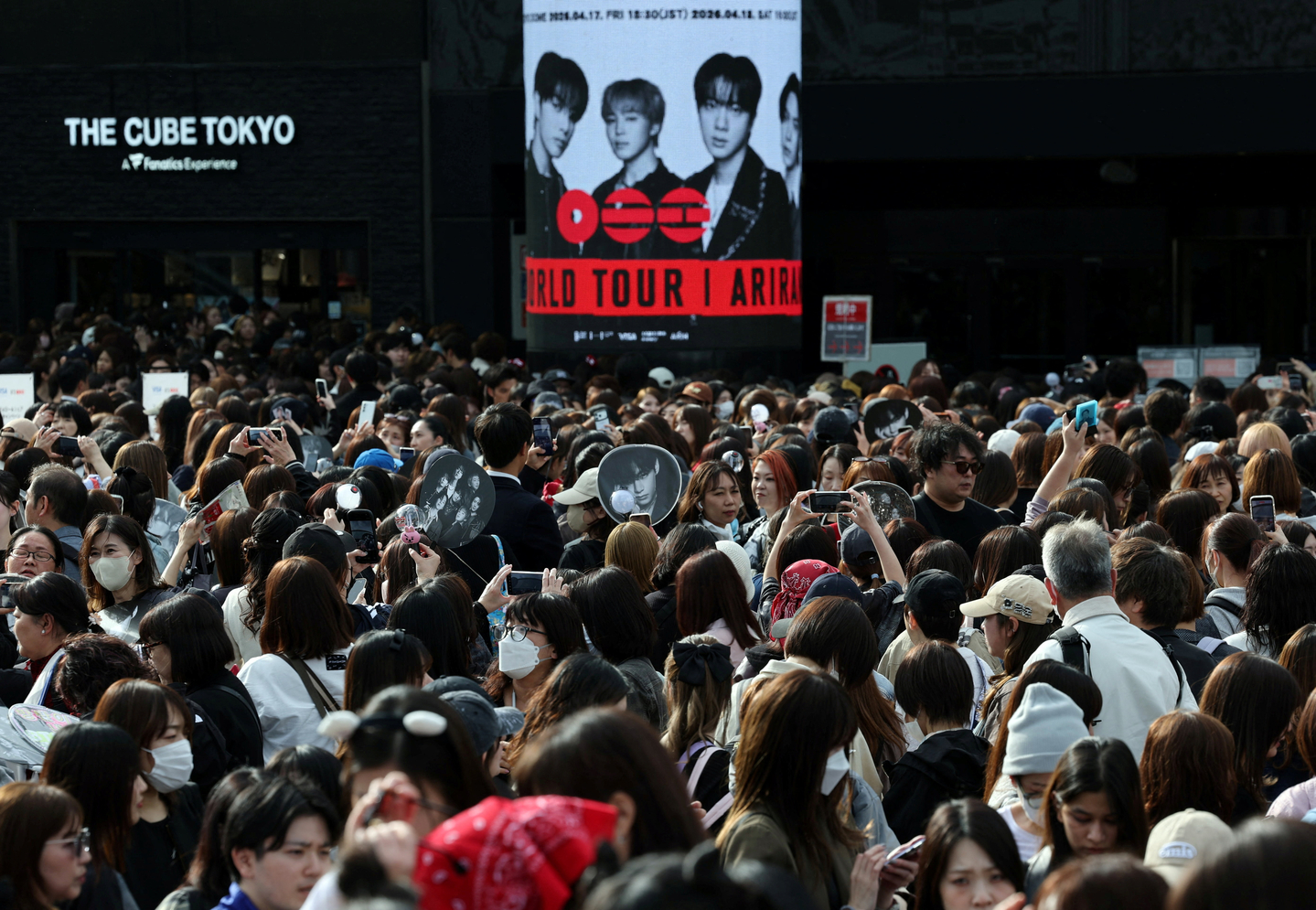
This article is by Shin Ha-nee and read by an artificial voice. For most K-pop acts — and even most U.S. pop stars — selling out a stadium tour, achieving a No. 1 placement on the Billboard charts and breaking global streaming records would individually be enough to define a career peak. For BTS, however, those milestones are simply part of the past. A little over a month has passed since the septet resumed full-group activities after a nearly four-year hiatus with its fifth full-length album, "Arirang," and launched what is set to be the biggest world tour in K-pop history. Since its grand comeback at Gwanghwamun Square in March, BTS has sold 4.17 million copies of "Arirang" in its first week of release; become the first K-pop act to top the Billboard 200 albums chart for three consecutive weeks; and kept all 14 tracks from the album — including the lead single "Swim" — on Spotify's weekly top global songs chart for six straight weeks. These numbers suggest that BTS's upward momentum will not only likely last but is formidable. But they also raise a complicated question for the group's self-proclaimed "2.0" era: What comes next? As BTS enters the second phase of its career, its future no longer concerns whether the group can reclaim its place at the top of the global music market; instead, it revolves around what milestone, if any, still holds the power to mean something for an act that has already redrawn the boundaries of K-pop. There are three possible answers to this dilemma: a Super Bowl halftime performance, a Coachella headline slot and a long-awaited Grammy win. Each represents a different form of significance, from mainstream U.S. visibility to live-music prestige before a broader festival audience and institutional validation from the Western music industry, respectively. But another question remains: Does BTS still need validation from such benchmarks? The Super Bowl In an interview with Rolling Stone published on April 13, BTS carefully discussed the possibility of performing at the Super Bowl halftime show, arguably one of pop music's biggest stages, watched by not only American football fans but sports and music enthusiasts around the world. "Maybe if time goes by, and the thoughts in the people change," leader RM cautiously said when asked about the possibility of performing at what he described as "the best [...] show stage in the whole world." "All of the people in the world are watching 'Parasite' [2021], all these great things in Korean culture, so if there's a chance [to perform at the Super Bowl], we definitely want to, someday." The question came after Puerto Rican singer and rapper Bad Bunny made history with a halftime show performed entirely in Spanish, prompting renewed discussion over whether BTS, as a mainly Korean-language act, could one day perform at what is often considered the pinnacle of U.S. pop culture. "Of course I want to [perform at the Super Bowl], but it's not up to us," Jungkook said. The idea of BTS headlining the halftime show may not be entirely detached from reality, especially since Jungkook was invited by Usher to join him onstage during the singer's 2024 Super Bowl halftime performance, though the BTS member had to decline as he was fulfilling his mandatory military service. Additionally, important distinctions remain between the Puerto Rican and Korean stars. While international performers have headlined or co-headlined the show before, including British band Coldplay and Colombian singer Shakira, the Super Bowl remains closely tied to the U.S. mainstream. As a result, it makes sense that Bad Bunny — a U.S. citizen who has become deeply embedded in the U.S. mainstream for not only his music but also his political and social activism — was invited to perform, despite doing so exclusively in Spanish. BTS, by contrast, remains a Korean act whose dominance has largely been built through a more global, fandom-driven structure than year-round exposure within the U.S. media e...

This article is by Shin Ha-nee and read by an artificial voice. For most K-pop acts — and even most U.S. pop stars — selling out a stadium tour, achieving a No. 1 placement on the Billboard charts and breaking global streaming records would individually be enough to define a career peak. For BTS, however, those milestones are simply part of the past. A little over a month has passed since the septet resumed full-group activities after a nearly four-year hiatus with its fifth full-length album, "Arirang," and launched what is set to be the biggest world tour in K-pop history. Since its grand comeback at Gwanghwamun Square in March, BTS has sold 4.17 million copies of "Arirang" in its first week of release; become the first K-pop act to top the Billboard 200 albums chart for three consecutive weeks; and kept all 14 tracks from the album — including the lead single "Swim" — on Spotify's weekly top global songs chart for six straight weeks. These numbers suggest that BTS's upward momentum will not only likely last but is formidable. But they also raise a complicated question for the group's self-proclaimed "2.0" era: What comes next? As BTS enters the second phase of its career, its future no longer concerns whether the group can reclaim its place at the top of the global music market; instead, it revolves around what milestone, if any, still holds the power to mean something for an act that has already redrawn the boundaries of K-pop. There are three possible answers to this dilemma: a Super Bowl halftime performance, a Coachella headline slot and a long-awaited Grammy win. Each represents a different form of significance, from mainstream U.S. visibility to live-music prestige before a broader festival audience and institutional validation from the Western music industry, respectively. But another question remains: Does BTS still need validation from such benchmarks? The Super Bowl In an interview with Rolling Stone published on April 13, BTS carefully discussed the possibility of performing at the Super Bowl halftime show, arguably one of pop music's biggest stages, watched by not only American football fans but sports and music enthusiasts around the world. "Maybe if time goes by, and the thoughts in the people change," leader RM cautiously said when asked about the possibility of performing at what he described as "the best [...] show stage in the whole world." "All of the people in the world are watching 'Parasite' [2021], all these great things in Korean culture, so if there's a chance [to perform at the Super Bowl], we definitely want to, someday." The question came after Puerto Rican singer and rapper Bad Bunny made history with a halftime show performed entirely in Spanish, prompting renewed discussion over whether BTS, as a mainly Korean-language act, could one day perform at what is often considered the pinnacle of U.S. pop culture. "Of course I want to [perform at the Super Bowl], but it's not up to us," Jungkook said. The idea of BTS headlining the halftime show may not be entirely detached from reality, especially since Jungkook was invited by Usher to join him onstage during the singer's 2024 Super Bowl halftime performance, though the BTS member had to decline as he was fulfilling his mandatory military service. Additionally, important distinctions remain between the Puerto Rican and Korean stars. While international performers have headlined or co-headlined the show before, including British band Coldplay and Colombian singer Shakira, the Super Bowl remains closely tied to the U.S. mainstream. As a result, it makes sense that Bad Bunny — a U.S. citizen who has become deeply embedded in the U.S. mainstream for not only his music but also his political and social activism — was invited to perform, despite doing so exclusively in Spanish. BTS, by contrast, remains a Korean act whose dominance has largely been built through a more global, fandom-driven structure than year-round exposure within the U.S. media e...

NOW PLAYING

Super Bowl, Coachella, Grammys: What's left for BTS to conquer in its '2.0' era?

0:00 7:35

No transcript for this episode yet

We transcribe on demand. Request one and we'll notify you when it's ready — usually under 10 minutes.

No similar episodes found.

No similar podcasts found.

Frequently Asked Questions

How long is this episode of Korea JoongAng Daily - Daily News from Korea?

This episode is 7 minutes long.

When was this Korea JoongAng Daily - Daily News from Korea episode published?

This episode was published on May 11, 2026.

What is this episode about?

This article is by Shin Ha-nee and read by an artificial voice. For most K-pop acts — and even most U.S. pop stars — selling out a stadium tour, achieving a No. 1 placement on the Billboard charts and breaking global streaming records would...

Can I download this Korea JoongAng Daily - Daily News from Korea episode?

Yes, you can download this episode by clicking the download button on the episode player, or subscribe to the podcast in your preferred podcast app for automatic downloads.
URL copied to clipboard!