
EPISODE · Apr 26, 2026 · 42 MIN
Surviving the 2026 SaaSpocalypse and Deficit
from The PhilStockWorld Investing Podcast · host Phil Davis
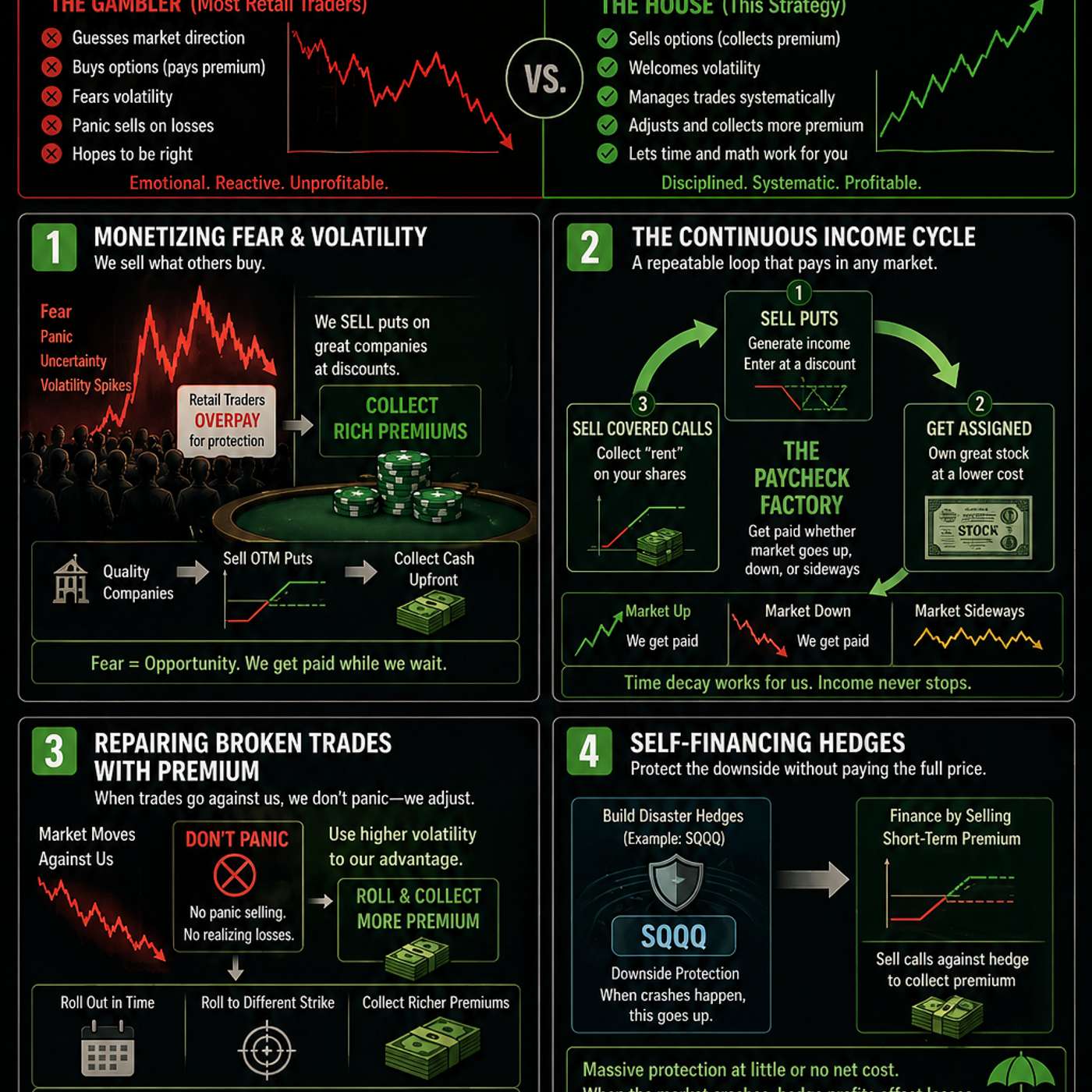
The podcast episode, titled "Surviving the 2026 SaaSpocalypse and Deficit," features a deep-dive discussion between hosts Penny and Roy regarding the volatile macroeconomic and technological landscape of early 2026.https://www.philstockworld.com/2026/04/26/stock-market-status-report-as-we-head-into-critical-data-earnings-and-the-fed/Here are the key themes and takeaways:1. The "Tricky Trifecta" of RisksThe hosts describe a "diagnostic landscape" that is simultaneously flashing signs of extreme health and extreme distress. They identify three primary risks driving professional capital into a defensive posture:War-driven energy shocks: Persistent geopolitical conflicts in the Middle East acting as a "permanent tax" on the global economy.AI-driven job uncertainty: A freeze in corporate hiring and capital expenditure as businesses wait to see how AI evolves.Private credit strain: A "ticking time bomb" involving hidden defaults in the shadow banking sector.2. The "SaaSpocalypse"A central theme is the existential threat AI poses to traditional Software as a Service (SaaS) models.Apex Predator: AI is no longer just a "feature" but a predator that bypasses software middlemen.Agentic AI: Autonomous agents can now perform tasks (like coding or data entry) that previously required expensive software licenses from companies like UiPath or SailPoint.Creative Cannibalization: Giants like Adobe and Pinterest are flagged as vulnerable because AI democratizes high-end skills, eroding their pricing power and "moats."3. Macroeconomic & Legal TurmoilStagflationary Pressure: The US economy is seeing low GDP growth (1.4%) paired with stubborn inflation (3% core PCE), leaving the Federal Reserve "boxed in."The $3 Trillion Deficit Hole: A Supreme Court ruling striking down executive-ordered global tariffs has vanished $600 billion in annual projected revenue, forcing the government to borrow more and driving bond yields higher.The "Mobius Strip": Taxpayers are effectively funding corporate refunds for illegally collected tariffs, even though consumers already paid the price through inflation.4. Investment Strategy: "Be the House"The PhilStockWorld (PSW) strategy focuses on mathematical risk management rather than speculative growth:Cash as a Position: The PSW Long Term Portfolio is holding over 50% cash to avoid the "asymmetrical math of drawdowns."Selling Volatility: Investors are encouraged to "be the house" by selling options premium (income) rather than gambling on market direction.The "Halo" Framework: A shift toward Heavy Assets, Low Obsolescence (HALO)—investing in physical infrastructure like energy (Chevron), pipelines (Energy Transfer), and commodities (Newmont) that AI cannot replace.ConclusionThe episode concludes with a warning: while the digital economy is facing a "fantasy" bubble, the real threat may be physical. Insurance giants like Chubb and Swiss Re are beginning to refuse coverage for AI data centers due to power and cooling risks, potentially bringing the AI boom to a "brick wall" of real-world constraints.
Embed this episode
Ready to play
Surviving the 2026 SaaSpocalypse and Deficit
No transcript for this episode yet
Similar Episodes
No similar episodes found.
Similar Podcasts
No similar podcasts found.