
EPISODE · Nov 17, 2024 · 19 MIN
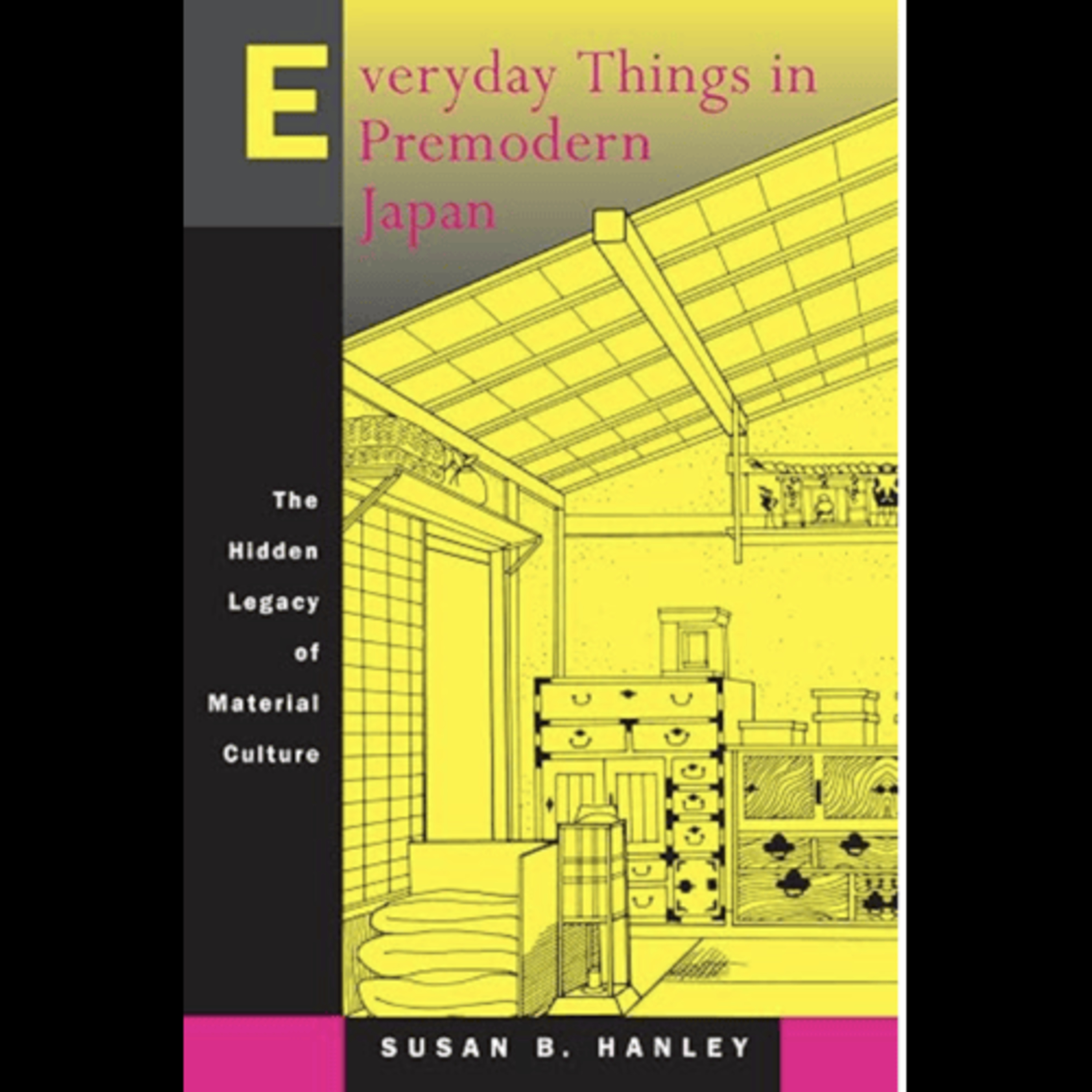
Susan B. Hanley, "Everyday Things in Premodern Japan: The Hidden Legacy of Material Culture," (University of California Press, 1999)
from The New East Asian Studies Podcasts in the Age of AI · host Barton Qian
Japan was the only non-Western nation to industrialize before 1900 and its leap into the modern era has stimulated vigorous debates among historians and social scientists. In an innovative discussion that posits the importance of physical well-being as a key indicator of living standards, Susan B. Hanley considers daily life in the three centuries leading up to the modern era in Japan. She concludes that people lived much better than has been previously understood―at levels equal or superior to their Western contemporaries. She goes on to illustrate how this high level of physical well-being had important consequences for Japan's ability to industrialize rapidly and for the comparatively smooth transition to a modern, industrial society.While others have used income levels to conclude that the Japanese household was relatively poor in those centuries, Hanley examines the material culture―food, sanitation, housing, and transportation. How did ordinary people conserve the limited resources available in this small island country? What foods made up the daily diet and how were they prepared? How were human wastes disposed of? How long did people live? Hanley answers all these questions and more in an accessible style and with frequent comparisons with Western lifestyles. Her methods allow for cross-cultural comparisons between Japan and the West as well as Japan and the rest of Asia. They will be useful to anyone interested in the effects of modernization on daily life. Japan's early industrialization and modernization Pre-1900 industrialization in Japan Susan B. Hanley's analysis of living standards Physical well-being as an indicator of modernization Material culture in pre-modern Japan Comparative analysis of Japanese and Western lifestyles Food, sanitation, and housing in pre-modern Japan Daily life and resource conservation in Japan Cross-cultural comparisons between Japan and the West Japan's smooth transition to an industrial society Impact of material well-being on Japan's rapid industrialization Sanitation and waste disposal in early Japanese society Longevity and health in pre-industrial Japan Effects of modernization on daily life in Japan Comparing Japan's living standards with the West and Asia East Asian Studies Podcast Japanese History Podcast Japanese History Material Culture
Embed this episode
Ready to play
Susan B. Hanley, "Everyday Things in Premodern Japan: The Hidden Legacy of Material Culture," (University of California Press, 1999)
No transcript for this episode yet
Similar Episodes
No similar episodes found.
Similar Podcasts
No similar podcasts found.