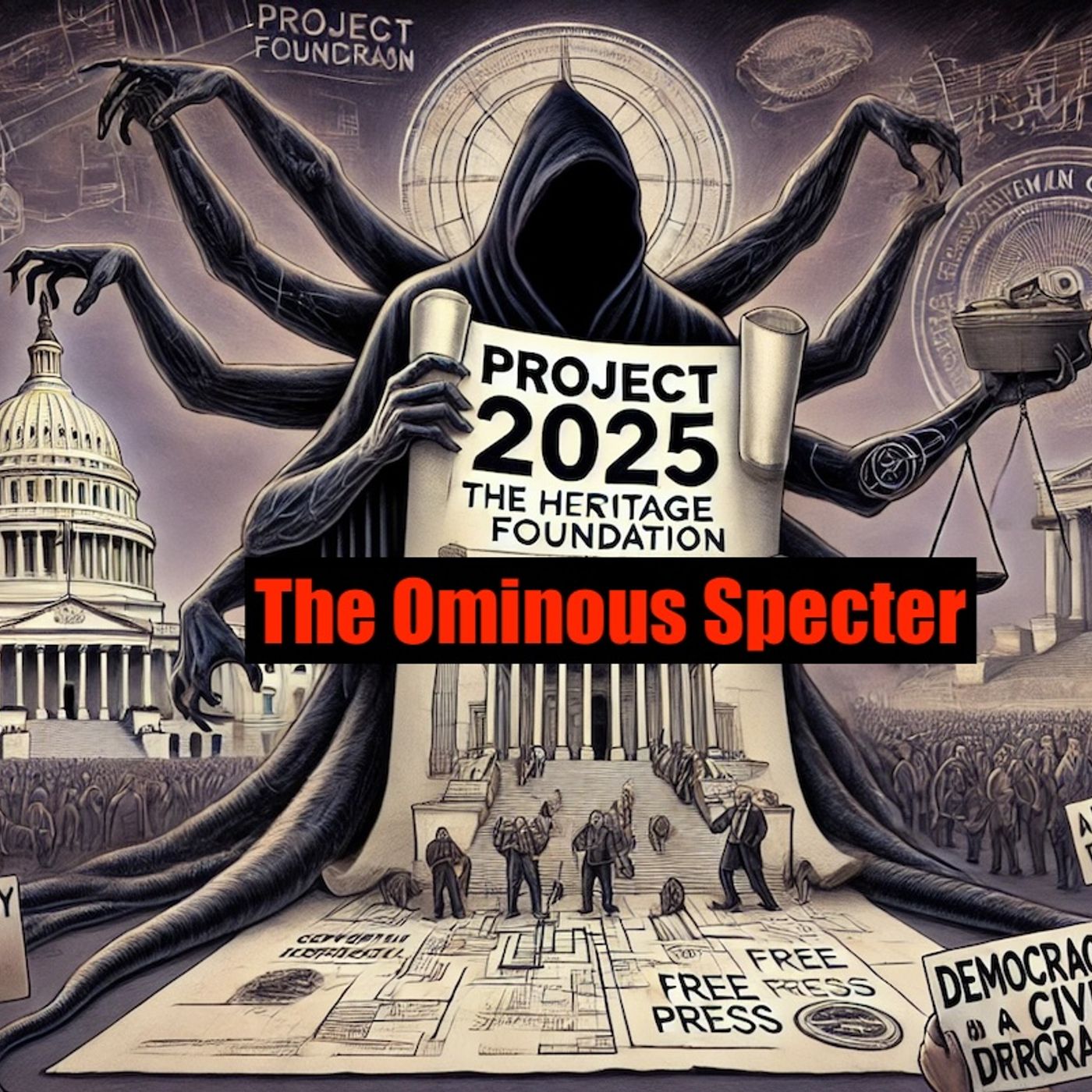
"Sweeping Conservative Agenda Unveiled in Project 2025: Alarming Implications for American Governance" episode artwork

EPISODE · Mar 22, 2025 · 5 MIN

"Sweeping Conservative Agenda Unveiled in Project 2025: Alarming Implications for American Governance"

from Project 2025: The Ominous Specter · host Inception Point AI

As I delve into the intricacies of Project 2025, a comprehensive policy blueprint crafted by the Heritage Foundation, I am struck by the sheer scope and ambition of this initiative. This 900-page document is more than just a policy guide; it is a roadmap for a radical transformation of American governance, one that has sparked intense debate and concern across the political spectrum. At its core, Project 2025 is designed to provide a conservative administration, particularly one led by Donald Trump, with a detailed agenda for its first term in office. Despite Trump's public denials of any involvement, the project's authors and contributors include several key figures from his previous administration, such as John McEntee and Jonathan Berry, which suggests a significant alignment with his policy goals[3][4]. One of the most contentious aspects of Project 2025 is its proposal to centralize power within the executive branch. This includes reissuing Trump’s Schedule F executive order, which would allow the president to dismiss federal employees deemed 'non-performing' or insufficiently loyal. This measure targets the vast federal workforce of approximately 3.5 million employees, potentially disrupting the continuity and integrity of government operations. As Dr. Ray Serrano, Director of Research and Policy at LULAC, notes, "This proposal targets the vast federal workforce... play[ing] essential roles in maintaining the continuity and integrity of government operations"[1]. The project also outlines significant changes to the handling of immigrant children. It proposes transferring custody from the Health and Human Services (HHS) to the Department of Homeland Security (DHS), prioritizing enforcement over welfare. This shift would likely expand detention centers and worsen the safety and psychological well-being of vulnerable immigrant children. The plan further suggests repealing parts of the Trafficking Victims Protection Reauthorization Act (TVPRA), facilitating large-scale detention center use across the country[1]. In the realm of reproductive rights, Project 2025's agenda is particularly alarming. It advocates for stricter abortion restrictions, going even further than Trump's stated positions. A recent legal case in Texas, where a judge ruled in favor of revoking the FDA's approval of mifepristone, serves as a precursor to the kind of legal strategies that could be employed to limit access to abortion medication. This case, though ultimately dismissed by the Supreme Court on procedural grounds, sets a dangerous precedent for future challenges to reproductive rights[1]. The project's impact on media and technology policies is equally profound. It calls for dismantling diversity, equity, and inclusion (DEI) programs within the federal government, arguing that these policies can violate federal civil rights laws. Trump has already taken steps in this direction, signing an executive order to end all DEI programs within the federal government. T This content was created in partnership and with the help of Artificial Intelligence AI.

As I delve into the intricacies of Project 2025, a comprehensive policy blueprint crafted by the Heritage Foundation, I am struck by the sheer scope and ambition of this initiative. This 900-page document is more than just a policy guide; it is a roadmap for a radical transformation of American governance, one that has sparked intense debate and concern across the political spectrum. At its core, Project 2025 is designed to provide a conservative administration, particularly one led by Donald Trump, with a detailed agenda for its first term in office. Despite Trump's public denials of any involvement, the project's authors and contributors include several key figures from his previous administration, such as John McEntee and Jonathan Berry, which suggests a significant alignment with his policy goals[3][4]. One of the most contentious aspects of Project 2025 is its proposal to centralize power within the executive branch. This includes reissuing Trump’s Schedule F executive order, which would allow the president to dismiss federal employees deemed 'non-performing' or insufficiently loyal. This measure targets the vast federal workforce of approximately 3.5 million employees, potentially disrupting the continuity and integrity of government operations. As Dr. Ray Serrano, Director of Research and Policy at LULAC, notes, "This proposal targets the vast federal workforce... play[ing] essential roles in maintaining the continuity and integrity of government operations"[1]. The project also outlines significant changes to the handling of immigrant children. It proposes transferring custody from the Health and Human Services (HHS) to the Department of Homeland Security (DHS), prioritizing enforcement over welfare. This shift would likely expand detention centers and worsen the safety and psychological well-being of vulnerable immigrant children. The plan further suggests repealing parts of the Trafficking Victims Protection Reauthorization Act (TVPRA), facilitating large-scale detention center use across the country[1]. In the realm of reproductive rights, Project 2025's agenda is particularly alarming. It advocates for stricter abortion restrictions, going even further than Trump's stated positions. A recent legal case in Texas, where a judge ruled in favor of revoking the FDA's approval of mifepristone, serves as a precursor to the kind of legal strategies that could be employed to limit access to abortion medication. This case, though ultimately dismissed by the Supreme Court on procedural grounds, sets a dangerous precedent for future challenges to reproductive rights[1]. The project's impact on media and technology policies is equally profound. It calls for dismantling diversity, equity, and inclusion (DEI) programs within the federal government, arguing that these policies can violate federal civil rights laws. Trump has already taken steps in this direction, signing an executive order to end all DEI programs within the federal government. T This content was created in partnership and with the help of Artificial Intelligence AI.

NOW PLAYING

"Sweeping Conservative Agenda Unveiled in Project 2025: Alarming Implications for American Governance"

0:00 5:24

No transcript for this episode yet

We transcribe on demand. Request one and we'll notify you when it's ready — usually under 10 minutes.

Frequently Asked Questions

How long is this episode of Project 2025: The Ominous Specter?

This episode is 5 minutes long.

When was this Project 2025: The Ominous Specter episode published?

This episode was published on March 22, 2025.

What is this episode about?

As I delve into the intricacies of Project 2025, a comprehensive policy blueprint crafted by the Heritage Foundation, I am struck by the sheer scope and ambition of this initiative. This 900-page document is more than just a policy guide; it is a...

Can I download this Project 2025: The Ominous Specter episode?

Yes, you can download this episode by clicking the download button on the episode player, or subscribe to the podcast in your preferred podcast app for automatic downloads.
URL copied to clipboard!