
EPISODE · Jul 5, 2025 · 4 MIN
Sweeping Federal Overhaul: Project 2025 Reshapes American Governance
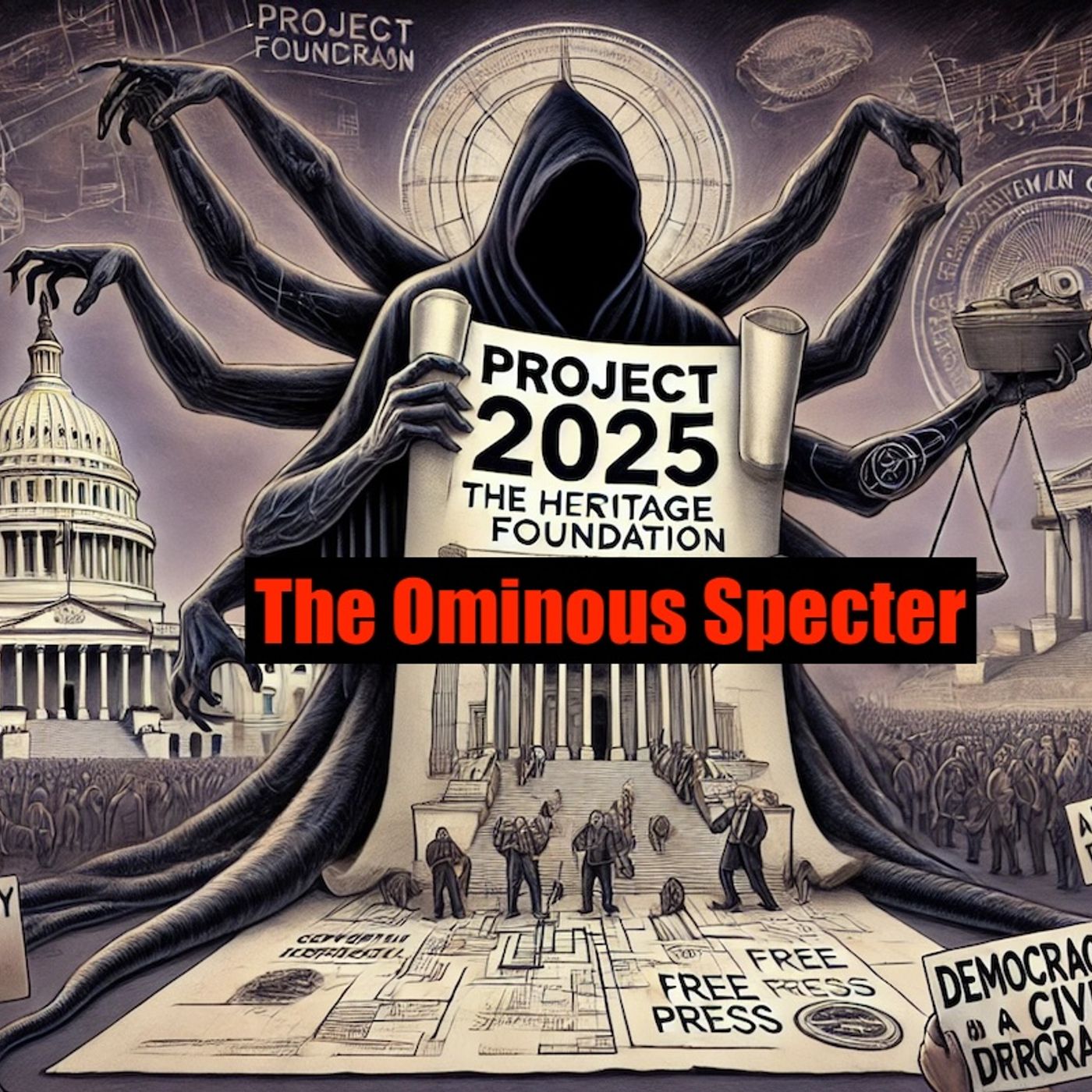
from Project 2025: The Ominous Specter · host Inception Point AI
Project 2025, championed by the Heritage Foundation and a coalition of conservative organizations, has become one of the most ambitious and controversial policy blueprints in contemporary American politics. Its authors envision a sweeping reconstruction of federal power, “placing the federal government’s entire executive branch under direct presidential control,” as Heritage president Kevin Roberts has openly declared. The plan’s backbone is a robust endorsement of the unitary executive theory, which grants unprecedented authority to the president, superseding the traditional independence of agencies like the Department of Justice, FBI, and the Federal Communications Commission. Roberts insists, “All federal employees should answer to the president,” reflecting a philosophy that would uproot decades of precedent regarding agency autonomy. The heart of Project 2025 lies in its plan to replace thousands of federal officials with ideologically vetted loyalists. It recommends dismissing nearly all senior State Department employees prior to Inauguration Day and filling those roles with temporary leaders who, notably, do not require Senate confirmation. Kiron Skinner, who contributed to the project’s State Department chapter, has been candid in critiquing existing personnel as “too left-wing,” advocating for a transformation in which “those more loyal to a conservative president” would fill the ranks. This push for centralized authority is not just theoretical. Since January 20, under the Trump administration and the Musk-led Department of Government Efficiency, Project 2025’s playbook has begun to reshape the bureaucracy. Entire agencies, including the Consumer Financial Protection Bureau and USAID, have been eliminated or gutted through unprecedented executive actions. Challenger, Gray & Christmas, Inc. reports that approximately 280,253 federal workers and contractors have either been laid off or face imminent dismissal. This seismic reduction affects at least 27 agencies and is touted as part of an effort to save $1 trillion. Specific policy objectives underscore the project’s breadth. In criminal justice, the blueprint advises that the Department of Justice intervene aggressively in local prosecutions deemed insufficiently tough, even seeking to remove elected district attorneys who decline to prosecute certain crimes. The document urges that “the DOJ should remove local DAs who ‘deny American citizens the ‘equal protection of the laws’ by refusing to prosecute criminal offenses in their jurisdictions.’” This would deter local prosecutors from pursuing alternative justice models, such as drug treatment instead of incarceration, under threat of federal override. Additionally, Project 2025 advocates expanding federal law enforcement’s reach into local affairs, particularly in areas where local policy diverges from its agenda. Environmental and labor policies are equally targeted. The Center for Progressive Reform notes that Project 2025 is track This content was created in partnership and with the help of Artificial Intelligence AI.
Embed this episode
Ready to play
Sweeping Federal Overhaul: Project 2025 Reshapes American Governance
No transcript for this episode yet
Similar Episodes
No similar episodes found.
Similar Podcasts
No similar podcasts found.