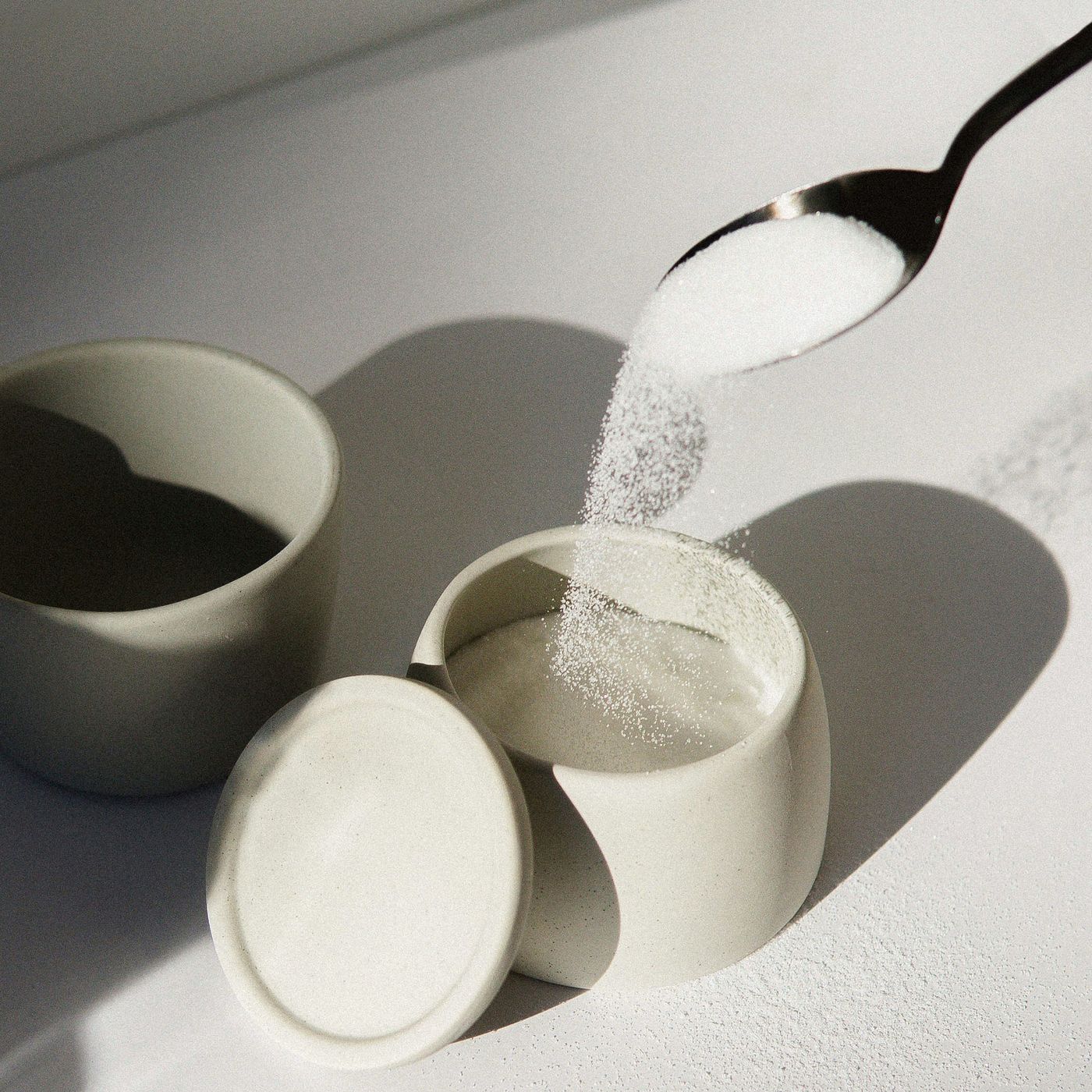
Sweet Alternatives: A Guide to Sugar Substitutes and Health episode artwork

EPISODE · Mar 9, 2026 · 59 MIN

Sweet Alternatives: A Guide to Sugar Substitutes and Health

from Whole Life Studio · host Norse Studio

Finding the right alternative to traditional sugar is a common challenge for those looking to maintain a healthy diet without giving up sweet flavors. While the best approach is often to simply reduce overall sugar consumption, several substitutes offer different benefits and drawbacks depending on their chemical composition and how the body processes them.Xylitol and Erythritol Known as sugar alcohols or polyols, these are popular choices for replacing table sugar. Xylitol, often called birch sugar, has a sweetness level similar to sucrose but contains about half the calories. It is highly valued for its dental benefits, as it helps reduce the bacteria responsible for cavities. It also has a low glycemic index, making it suitable for diabetics. However, it can cause digestive issues like bloating or a laxative effect if consumed in large quantities, and it is highly toxic to dogs.Erythritol is similar to xylitol but provides almost zero calories. It is slightly less sweet than sugar, requiring a larger amount to achieve the same taste. Its main advantage is that it is generally better tolerated by the digestive system than other polyols. Like xylitol, it does not cause tooth decay or spikes in blood glucose and is heat-stable, making it suitable for baking.Stevia Derived from the leaves of a South American plant, stevia is an intensely sweet, calorie-free substitute. It is roughly 200 times sweeter than sugar, meaning only tiny amounts are needed. Because it is so concentrated, it is often sold mixed with fillers like erythritol to make it easier to measure. While safe and beneficial for blood sugar and blood pressure management, some people find it has a slightly bitter or licorice-like aftertaste.Inulin Inulin is a type of fiber found in plants like chicory. It is much less sweet than sugar—about five to ten times less—but it serves as a prebiotic, feeding beneficial gut bacteria. It can improve the lipid profile and help regulate insulin levels. However, because it ferments in the gut, it may cause digestive discomfort in sensitive individuals.The Misconception of "Natural" Sugars Many people turn to honey, maple syrup, or agave syrup thinking they are significantly healthier than white sugar. While honey has antibacterial properties, it remains very high in calories and simple sugars (fructose and glucose). Similarly, syrups are essentially liquid sugar. Agave syrup is often highlighted for its low glycemic index, but this is due to its high fructose content. Excessive fructose consumption is linked to health issues such as increased uric acid, fatty liver, and insulin resistance.Furthermore, switching to brown, cane, or coconut sugar provides almost no health benefit. Brown sugar is often just white sugar with added molasses or caramel for color, and the mineral content in cane or coconut sugar is too low to be nutritionally significant.Synthetic Sweeteners: Aspartame Aspartame is a common artificial sweetener found in many diet products. It is 200 times sweeter than sugar and contains no calories. However, it is not heat-stable and cannot be used for baking. While officially cleared for use by many health agencies, its long-term safety is a subject of ongoing debate among researchers. Some studies suggest it may contribute to oxidative stress or inflammation, leading many experts to recommend other alternatives over aspartame when possible.In conclusion, while substitutes like erythritol, xylitol, and stevia are effective tools for sugar reduction, they should be used mindfully. The ideal strategy remains a balanced diet focused on whole foods, using these alternatives to bridge the gap toward a less sugar-dependent lifestyle.Become a supporter of this podcast: https://www.spreaker.com/podcast/whole-life-studio--6886552/support.

Finding the right alternative to traditional sugar is a common challenge for those looking to maintain a healthy diet without giving up sweet flavors. While the best approach is often to simply reduce overall sugar consumption, several substitutes offer different benefits and drawbacks depending on their chemical composition and how the body processes them.Xylitol and Erythritol Known as sugar alcohols or polyols, these are popular choices for replacing table sugar. Xylitol, often called birch sugar, has a sweetness level similar to sucrose but contains about half the calories. It is highly valued for its dental benefits, as it helps reduce the bacteria responsible for cavities. It also has a low glycemic index, making it suitable for diabetics. However, it can cause digestive issues like bloating or a laxative effect if consumed in large quantities, and it is highly toxic to dogs.Erythritol is similar to xylitol but provides almost zero calories. It is slightly less sweet than sugar, requiring a larger amount to achieve the same taste. Its main advantage is that it is generally better tolerated by the digestive system than other polyols. Like xylitol, it does not cause tooth decay or spikes in blood glucose and is heat-stable, making it suitable for baking.Stevia Derived from the leaves of a South American plant, stevia is an intensely sweet, calorie-free substitute. It is roughly 200 times sweeter than sugar, meaning only tiny amounts are needed. Because it is so concentrated, it is often sold mixed with fillers like erythritol to make it easier to measure. While safe and beneficial for blood sugar and blood pressure management, some people find it has a slightly bitter or licorice-like aftertaste.Inulin Inulin is a type of fiber found in plants like chicory. It is much less sweet than sugar—about five to ten times less—but it serves as a prebiotic, feeding beneficial gut bacteria. It can improve the lipid profile and help regulate insulin levels. However, because it ferments in the gut, it may cause digestive discomfort in sensitive individuals.The Misconception of "Natural" Sugars Many people turn to honey, maple syrup, or agave syrup thinking they are significantly healthier than white sugar. While honey has antibacterial properties, it remains very high in calories and simple sugars (fructose and glucose). Similarly, syrups are essentially liquid sugar. Agave syrup is often highlighted for its low glycemic index, but this is due to its high fructose content. Excessive fructose consumption is linked to health issues such as increased uric acid, fatty liver, and insulin resistance.Furthermore, switching to brown, cane, or coconut sugar provides almost no health benefit. Brown sugar is often just white sugar with added molasses or caramel for color, and the mineral content in cane or coconut sugar is too low to be nutritionally significant.Synthetic Sweeteners: Aspartame Aspartame is a common artificial sweetener found in many diet products. It is 200 times sweeter than sugar and contains no calories. However, it is not heat-stable and cannot be used for baking. While officially cleared for use by many health agencies, its long-term safety is a subject of ongoing debate among researchers. Some studies suggest it may contribute to oxidative stress or inflammation, leading many experts to recommend other alternatives over aspartame when possible.In conclusion, while substitutes like erythritol, xylitol, and stevia are effective tools for sugar reduction, they should be used mindfully. The ideal strategy remains a balanced diet focused on whole foods, using these alternatives to bridge the gap toward a less sugar-dependent lifestyle.Become a supporter of this podcast: <a...

NOW PLAYING

Sweet Alternatives: A Guide to Sugar Substitutes and Health

0:00 59:45

No transcript for this episode yet

We transcribe on demand. Request one and we'll notify you when it's ready — usually under 10 minutes.

Eat to Live Jenna Fuhrman, Dr. Fuhrman Our health is our most precious gift and smart nutrition can change your life. Each month, join Dr. Fuhrman and his daughter, Jenna Fuhrman as they discuss important topics in the world of nutrition. Eat to Live will change the way you eat and think about food. French Your Way Jessica: Native French teacher founder of French Your Way Boost your French listening skills and test your comprehension with this one of a kind series of podcasts. Get the chance to listen to a real conversation between native speakers talking at normal speed AND customise your learning experience through carefully designed sets of questions (2 levels of difficulty) available for download at www.frenchvoicespodcast.com. All interviews also come with the transcript. French teacher Jessica interviews native speakers of French from around the world who share a bit of their life and passion. Where else would you meet in one same place a French yoga teacher based in Melbourne, a soap manufacturer from Provence, or a couple cycling around the world? That Hoarder: Overcome Compulsive Hoarding That Hoarder Hoarding disorder is stigmatised and people who hoard feel vast amounts of shame. This podcast began life as an audio diary, an anonymous outlet for somebody with this weird condition. That Hoarder speaks about her experiences living with compulsive hoarding, she interviews therapists, academics, researchers, children of hoarders, professional organisers and influencers, and she shares insight and tips for others with the problem. Listened to by people who hoard as well as those who love them and those who work with them, Overcome Compulsive Hoarding with That Hoarder aims to shatter the stigma, share the truth and speak openly and honestly to improve lives. The Lee Olsen Show Lee Olsen CJF I want to help you improve all areas of your life by 3 types of podcasts!👉Blood, Sweat & Blessings-Interviews of normal people that have achieved BIG things!👉Series!!! For Love of the Horse- Brad Jackman DVM & Lee Olsen CJF, how to help your horse!👉Business Tips- Proven Life Changing Business Strategies with Lee Olsen

Frequently Asked Questions

How long is this episode of Whole Life Studio?

This episode is 59 minutes long.

When was this Whole Life Studio episode published?

This episode was published on March 9, 2026.

What is this episode about?

Finding the right alternative to traditional sugar is a common challenge for those looking to maintain a healthy diet without giving up sweet flavors. While the best approach is often to simply reduce overall sugar consumption, several substitutes...

Is there a transcript available for this episode?

Yes, a full transcript is available for this episode. You can read the complete transcript on the episode page.

Can I download this Whole Life Studio episode?

Yes, you can download this episode by clicking the download button on the episode player, or subscribe to the podcast in your preferred podcast app for automatic downloads.
URL copied to clipboard!