
EPISODE · Feb 12, 2026 · 2 MIN
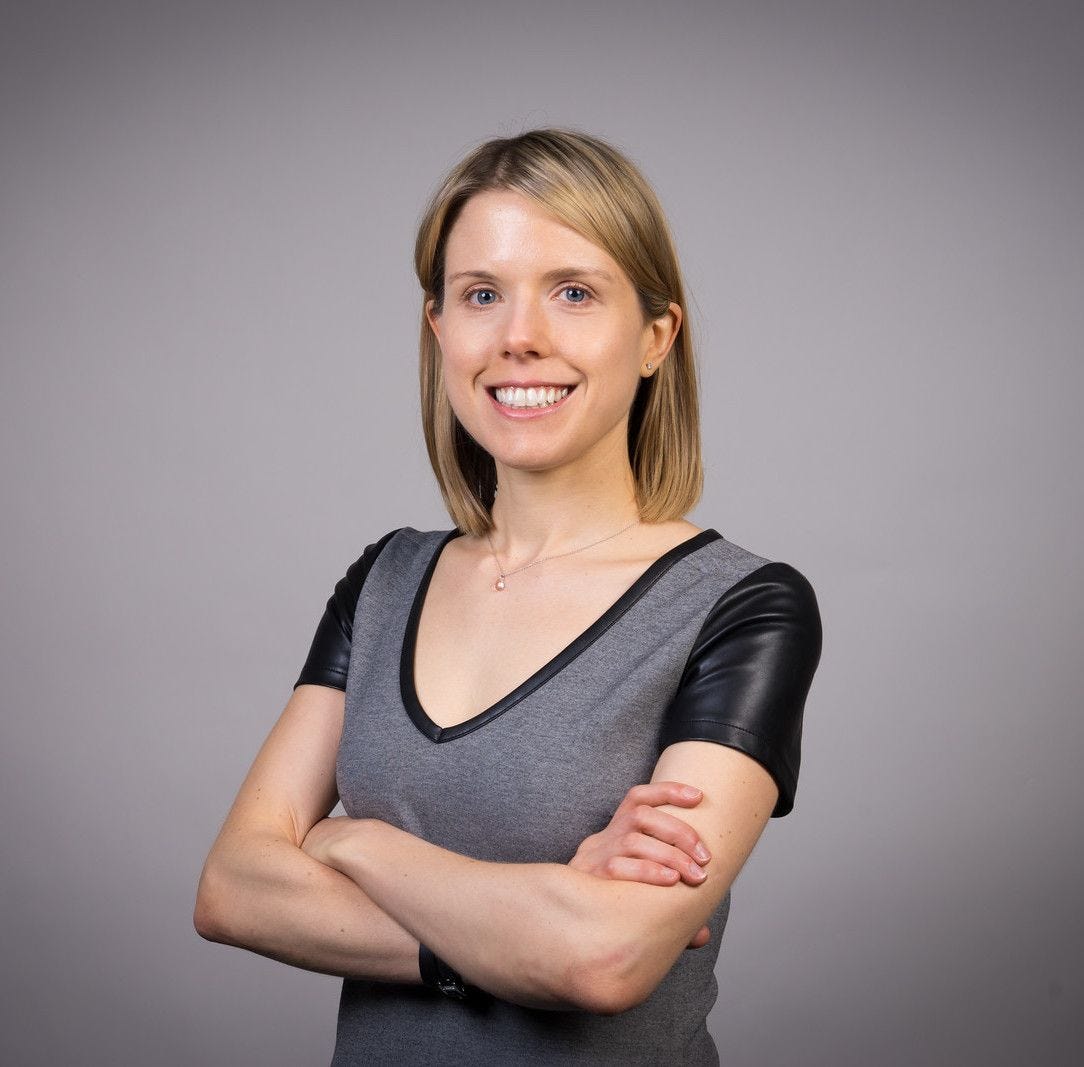
Tara McAllister, New York University - High-Tech Help for Speech Therapy
from The Academic Minute · host Academic Minute
Speech therapy can be crucial for some children, so how do we improve outcomes? Tara McAllister, associate professor of communicative sciences and disorders at New York University, studies this.Tara McAllister is a linguist and speech-language pathologist in NYU’s Department of Communicative Sciences and Disorders. Her research aims to understand how speech skills are acquired in both typical and clinical populations, and why developmental speech patterns resolve in some children but persist in others. As director of the Biofeedback Intervention Technology for Speech (BITS) Lab at NYU, she has overseen multiple clinical trials measuring the efficacy of acoustic and ultrasound biofeedback in the treatment of speech sound disorder. Dr. McAllister is also active in technology development for speech therapy applications and oversees the team that released staRt, an iOS and web app to make biofeedback intervention widely accessible.Millions of children see a speech therapist for help pronouncing certain speech sounds, especially the English ‘r’ sound. Over the years, studies have suggested that technology-enhanced training could help children overcome their speech difficulties faster, but it had never been tested in a large-scale randomized trial.Our study provided ten weeks of speech therapy to over 100 children aged 9-15 with persisting difficulty pronouncing the “r” sound. Participants were randomly assigned to receive treatment with traditional methods, where the clinician models speech sounds to imitate, or treatment with visual biofeedback, where the learner sees a real-time visual display of their speech. This study included two types of biofeedback. In ultrasound biofeedback, a probe held beneath the chin is used to visualize the shape and movements of the tongue during speech. In visual-acoustic biofeedback, participants see a real-time visual display of the acoustic spectrum of their speech, represented as a wave-like shape on a computer screen. While viewing these displays, children can adjust the positioning of their tongue in their mouth to try to match a display representing the correct pronunciation.We found that children in all treatment conditions made significant progress, but the rate of progress was 2.4 times faster with biofeedback than with traditional treatment. This provided the first-ever gold-standard evidence that biofeedback does outperform traditional speech therapy methods. We think this finding is important because speech therapists are managing ever-growing caseloads, and students who get stuck on ‘r’ can create a real bottleneck. Biofeedback can help resolve these speech difficulties more efficiently, reducing frustration and freeing up resources for other children with communication needs.Read More:[NYU Steinhardt] - Children Receiving Biofeedback Speech Therapy Improved Faster Than with Traditional Methods This is a public episode. If you would like to discuss this with other subscribers or get access to bonus episodes, visit www.academicminute.org
Embed this episode
Ready to play
Tara McAllister, New York University - High-Tech Help for Speech Therapy
No transcript for this episode yet
Similar Episodes
No similar episodes found.
Similar Podcasts
No similar podcasts found.