
EPISODE · Jan 12, 2026
Tech vs. Intuition: How to Use Fitness Data Without Letting It Control Your Life
from Strong Principles
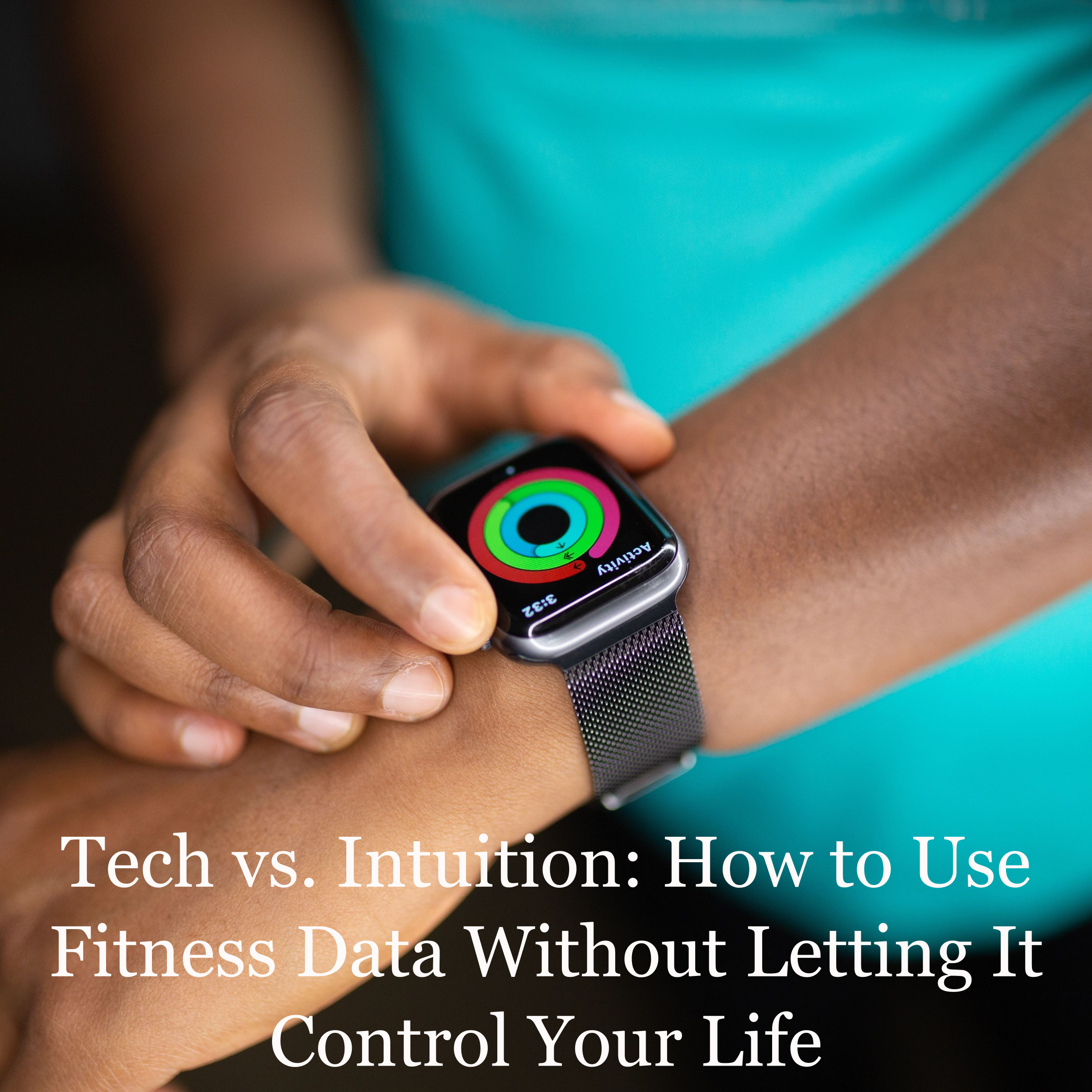
The crew discusses the pros and cons of fitness wearables and recovery technology. While these tools are excellent for tracking trends in sleep and heart rate variability (HRV), they often fail when it comes to calorie tracking and can lead to a "mental block" if an athlete relies too heavily on a device's recovery score. The episode highlights the best ways to use tech as a guide rather than a master.Key TakeawaysThe Calorie Myth: Wearables are notoriously inaccurate at tracking calories because they cannot account for individual metabolic adaptation. As you get fitter, you burn fewer calories doing the same work—something most trackers fail to recognize.The Psychology of Recovery: Letting a "3% recovery" score stop you from training can be a mistake. Zach explains how performance is often more about mindset and preparation than what an app says.The Alcohol Awakening: One of the greatest benefits of wearables has been showing users the objective data on how alcohol destroys sleep quality and recovery.Accuracy Hierarchy: For heart rate tracking, chest straps (like the Morpheus) remain superior to wrist-based sensors.Maintenance Tools: The guys weigh in on "low-tech" high-value tools like massage guns (Theraguns) for self-maintenance and improving blood flow.Timestamp Chapters00:00 – Introduction to Fitness Tech 01:14 – Why your watch is wrong about calories burned 02:30 – The "3% Recovery" Trap: Don't let your phone coach you 04:21 – The "Double-Edged Sword" of sharing fitness data 05:38 – How wearables changed the alcohol industry 06:44 – The Morpheus & Heart Rate Variability (HRV) 08:00 – Sleep tracking: Apple Watch vs. Whoop vs. Aura Ring 08:37 – Rob’s "Eight Sleep" mattress setup and the importance of cooling 09:50 – The practical use of Theraguns and massage tools 11:20 – Final Verdict: Use tools, don't be used by them
Embed this episode
NOW PLAYING
Tech vs. Intuition: How to Use Fitness Data Without Letting It Control Your Life
No transcript for this episode yet