
EPISODE · Sep 16, 2025 · 39 MIN
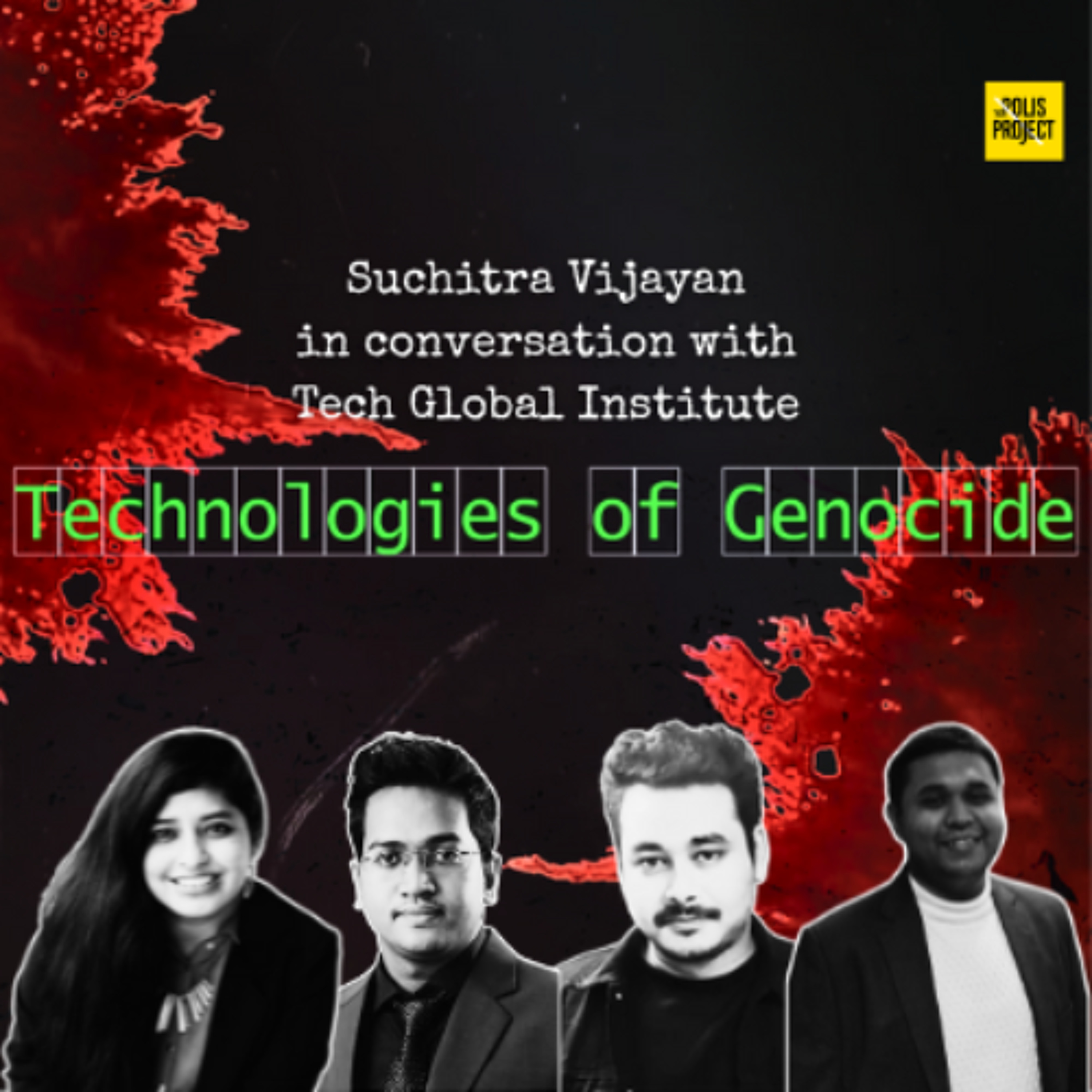
Technologies of Genocide: Suchitra Vijayan in Conversation with Tech Global Institute, Bangladesh
from Polis Project Conversation Series · host The Polis Project
Suchitra Vijayan speaks with Sabhanaz Rashid Diya, Sams Wahid Shahat, Mohammad Arafat and Apon Das of the Tech Global Institute. They unpack the aftermath of Bangladesh’s July 2024 uprising, which ended the Awami League’s 16-year rule but left behind a trail of unacknowledged deaths, disappearances, and state-sponsored impunity. Drawing on the landmark report Bloodshed in Bangladesh, the conversation reveals how digital forensics, open-source investigation, and survivor testimony challenge the state’s attempts at erasure. The discussion traces how the team worked under conditions of internet shutdowns and media blackouts to archive atrocity evidence in real time. They explain how metadata, satellite imagery, and video analysis reconstructed the final hours of massacres such as the killing of 20-year-old Mohammad Ridoi, whose disappearance still haunts his family. Archiving is a political act that confronts Bangladesh’s machinery of impunity and keeps memory alive against official narratives. They also explore the disinformation ecosystem that accompanied the killings: pro-government propaganda campaigns on Facebook, deliberate framing of student protesters as violent extremists, and a systematic effort to discredit the uprising. Against this, informal networks of communities mobilised to counter state lies. Key Takeaways - Digital forensics as resistance: Satellite imagery, metadata, and video archives countered state denial and reconstructed events minute by minute. - Archiving as a political act: Preserving testimonies and evidence challenges the state’s monopoly over history and builds collective memory. - Disinformation as state strategy: Paid social media campaigns framed protesters as extremists. - Justice and accountability: Beyond trials, justice means refusing erasure, ensuring victims’ sacrifices become part of Bangladesh’s democratic legacy. Sabhanaz Rashid Diya is the executive director of Tech Global Institute. She’s a computational social scientist with over 16 years of experience in technology, public policy, and ethics. Sams Wahid Shahat is a dedicated researcher in the fields of media and information management and fact-checking. Shekh Mohammad Arafat has been a fact-checker since 2022. Throughout this period, he has developed interests in media and information literacy, fact-checking training, and disinformation research Apon Das is an experienced media and information researcher and fact-checker. He has written books on introducing fact-checking as a media literacy intervention for majority world communities.
Embed this episode
NOW PLAYING
Technologies of Genocide: Suchitra Vijayan in Conversation with Tech Global Institute, Bangladesh
No transcript for this episode yet
Similar Episodes
No similar episodes found.
Similar Podcasts
No similar podcasts found.