
EPISODE · Oct 24, 2025 · 3 MIN
Tech's Uneven Terrain: Navigating Gender Equity in 2025
from Women in Business · host Inception Point AI
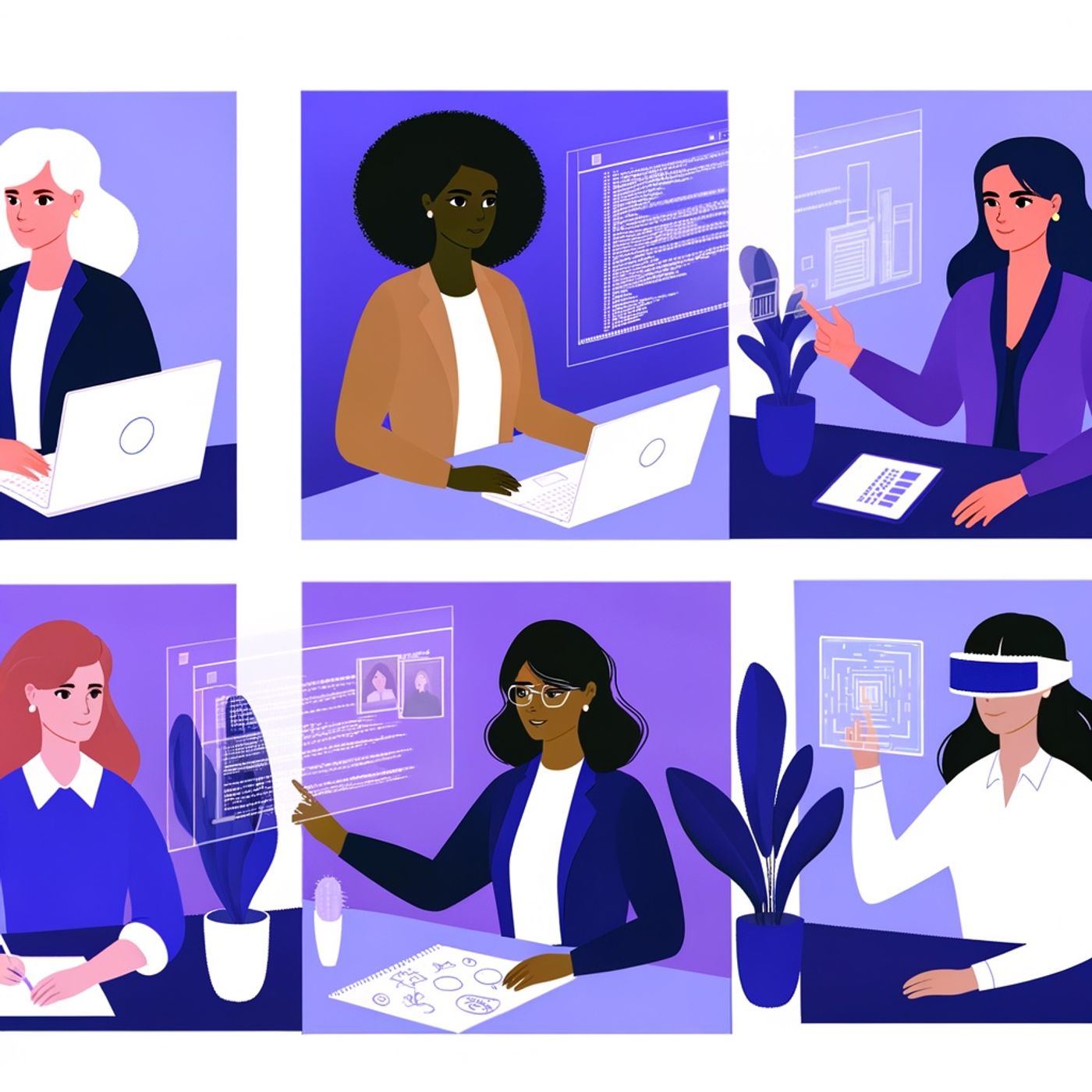
This is your Women in Business podcast. Welcome to Women in Business. If you’re tuning in today, you care about how women are shaping, leading, and transforming the tech industry against the backdrop of a complex, ever-shifting economy. I’m excited to dive straight in, because the story of women in tech in 2025 is a story of bold innovation, persistent barriers, and collective empowerment. Let’s get right to it: There are more women in tech now than ever before, making up about 35% of the tech workforce—a steep climb from just 9% in the early 2000s. Progress is real, but beneath those numbers, the journey remains tough. The day-to-day reality? Women comprise less than 20% of tech leadership roles globally. In the U.S., women’s representation in tech roles hovers at 27%, with cities like San Jose standing out for high earnings, and southern metros such as Little Rock and Columbia, South Carolina, leading gains in gender diversity. One of the most urgent talking points is the role of education and continuous learning. As industry giants like Skillsoft emphasize, upskilling, particularly in AI and emerging technologies, is essential to close the persistent gender gap. Their data reveals that 60% of women aren’t yet using AI at work. But among those who do, nearly three-quarters say they feel more productive. As companies ramp up investment in AI, ensuring women have access to these opportunities will define who holds power in tomorrow’s tech landscape. The second major issue is the pay gap and advancement. A recent survey found that companies pay men more than women for 62% of jobs in tech. Even when women reach the CEO chair at startups, they earn $20,000 less on average than their male counterparts. Yet, interestingly, women are promoted at a slightly higher rate than men—so the barriers aren’t just about getting a seat at the table, but negotiating equal recognition and reward once you’re there. Where are women finding the greatest opportunities? Data scientists, systems analysts, and web designers stand out, with women making up 46%, 39%, and 38% of these roles respectively. On the flip side, fields like cybersecurity and hardware engineering are still starkly male-dominated, with less than one in five positions held by women. These gaps matter when we talk about the future pipeline—and when we ask: Which doors are opening, and which remain shut? Retention and burnout surfaced acutely during the pandemic. Remote work offered flexibility, yes, but it also blurred boundaries, and millions of women left tech by age 35. As leaders and organizations revisit flexible work policies, there’s a critical opportunity to build cultures that support rather than sideline women. Finally, let’s talk about leadership and representation. Globally, only around 17% of tech companies have a woman as CEO. The numbers are even slimmer for CTO roles and founding teams with gender parity. Role models and networks—like the WomenTech Network and Women in Digital Au This content was created in partnership and with the help of Artificial Intelligence AI.
Embed this episode
NOW PLAYING
Tech's Uneven Terrain: Navigating Gender Equity in 2025
No transcript for this episode yet
Similar Episodes
No similar episodes found.
Similar Podcasts
No similar podcasts found.