
EPISODE · Apr 25, 2025 · 44 MIN
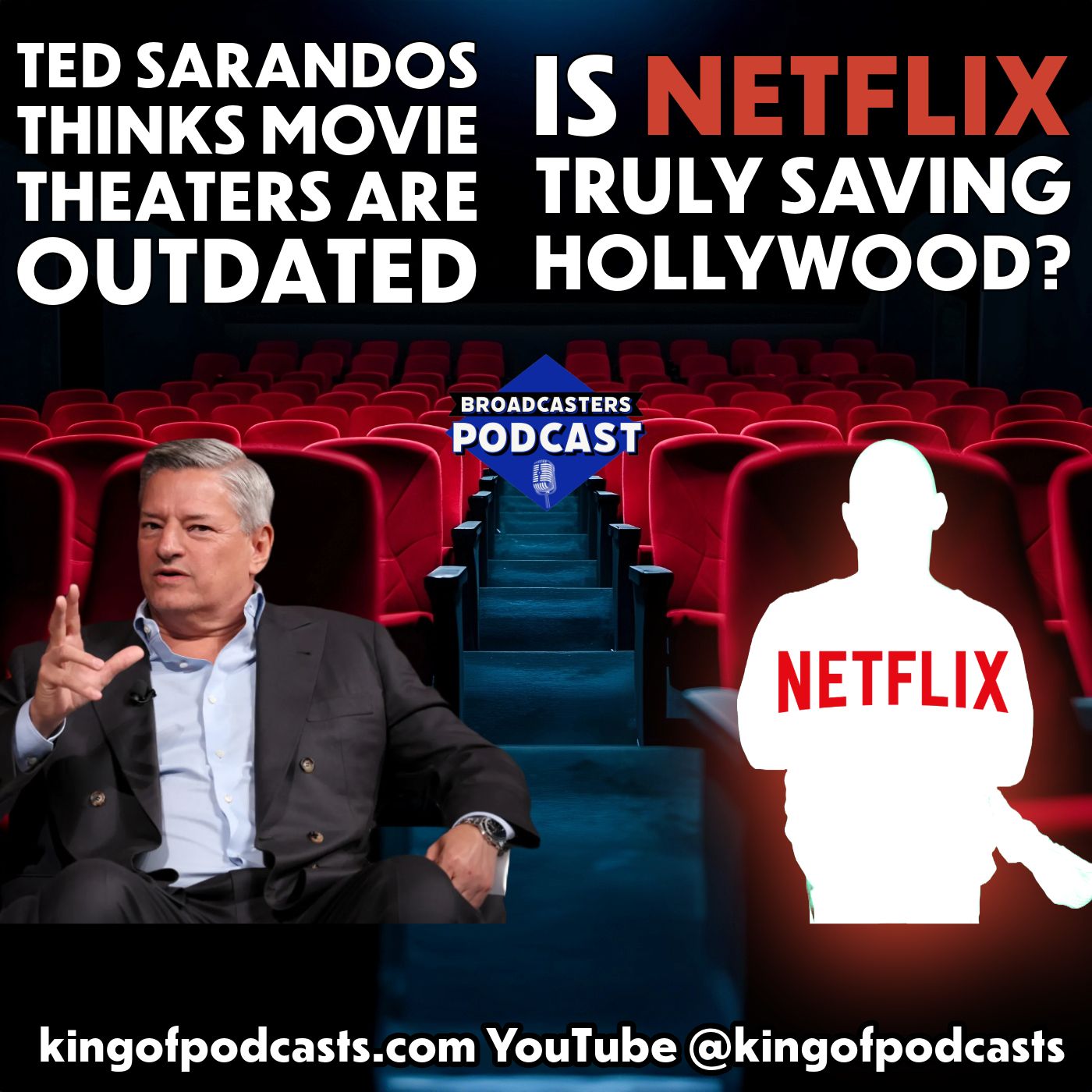
Ted Sarandos Thinks Movie Theaters Are Outdated. Is Netflix Truly Saving Hollywood?
from The Broadcasters Podcast · host King Of Podcasts
We explore the distinct values and challenges of both the traditional movie theater and the surging streaming video on demand model, following recent comments from Netflix co-CEO Ted Sarandos have reignited the discussion with a bold assertion: movie theaters are "outdated," and Netflix is "saving Hollywood."Sarandos's perspective aligns with the undeniable trend accelerated by the pandemic – the pivot towards direct-to-consumer streaming. As highlighted in our analysis, 2020 saw studios, including those with burgeoning streaming arms, bypass the traditional theatrical exhibition window, recognizing the immediate need and opportunity to deliver content to home audiences. This period dramatically boosted platforms like Netflix and accelerated the industry's focus on subscription growth and home consumption. From this vantage point, the vast investment Netflix makes in producing content across a wide range of budgets and genres, delivering it instantly to millions of global subscribers, could certainly be framed as providing a vital engine for Hollywood production and keeping many creators and crews employed, especially for projects that might not fit the shrinking theatrical mold. The streaming model, with its emphasis on convenience and comfort, directly addresses what Sarandos might perceive as the theater's fundamental limitation in the modern age: requiring audiences to leave their homes on a fixed schedule for a singular experience.However, dismissing the movie theater experience as simply "outdated" overlooks several key aspects discussed in our analysis. The theater's strength lies in its unparalleled ability to deliver spectacle through massive screens and immersive sound, creating a unique sensory environment that elevates certain types of filmmaking – the visually stunning blockbusters and grand narratives designed for collective awe. While streaming can bring intimate dramas and character studies to the forefront, films built on scale and event status ("Deadpool & Wolverine" being a contemporary example of a film undeniably built for the big screen) often still rely on the theatrical release to maximize their impact, generate cultural buzz, and achieve profitability that fuels future large-scale production. The communal experience, too, remains a potent, albeit less frequent, draw for audiences seeking shared moments.Furthermore, the post-2020 landscape has seen a re-establishment, albeit with shorter windows, of theatrical exclusivity for major titles. This indicates that even in the streaming era, studios recognize the significant marketing launchpad and substantial revenue potential that a successful theatrical run provides *before* a film hits the home market. If theaters were truly obsolete, this return to windows wouldn't be happening.While Netflix undoubtedly plays a crucial role in the current ecosystem – funding diverse projects and providing widespread access – the idea that one platform is unilaterally "saving" Hollywood might be an oversimplification. Hollywood is a multifaceted industry thriving (or struggling) across various platforms: theatrical, streaming, television, international markets, and more. Each contributes differently to the overall financial and cultural health of the ecosystem.In conclusion, while the theater model is undeniably evolving and facing stiff competition from the convenience of streaming, Sarandos's claim of it being "outdated" might be premature. The unique spectacle and communal nature of the cinematic experience still hold value for both filmmakers and audiences, particularly for event-driven content. Netflix is certainly a vital and transformative force in Hollywood, but whether it is its sole "savior," or rather a powerful new engine within a complex, adapting machine that still includes the big screen, remains a point of healthy debate.Contact KOP for professional podcast production, imaging, and web design services at http://www.kingofpodcasts.comSupport KOP by subscribing to his YouTube channel and search for King Of PodcastsFollow KOP on Twitter or X and TikTok @kingofpodcastsListen to KOP’s other programs, Podcasters Row… and the Wrestling is Real Wrestling Podcast and The Broadcasters Podcast.Buy KOP a Coffee https://buymeacoffee.com/kingofpodcastsDrop KOP a PayPal https://www.paypal.com/donate?hosted_button_id=3TAB983ZQPNVLDrop KOP a CashApp https://cash.app/$kingofallpodcastsBecome a supporter of this podcast: https://www.spreaker.com/podcast/the-broadcasters-podcast--3684131/support.Contact KOP for professional podcast production, imaging, and web design services at http://www.kingofpodcasts.comSupport KOP by subscribing to his YouTube channel and search for King Of PodcastsFollow KOP on X and TikTok @kingofpodcasts (F Meta!)Listen to KOP’s other programs, Podcasters Row… and the Wrestling is Real Wrestling Podcast and The Broadcasters Podcast.Buy KOP a Coffee https://buymeacoffee.com/kingofpodcastsDrop KOP a PayPal https://www.paypal.com/donate?hosted_button_id=3TAB983ZQPNVLDrop KOP a Venmo https://account.venmo.com/u/kingofpodcastsDrop KOP a CashApp https://cash.app/$kingofallpodcasts
What this episode covers
We explore the distinct values and challenges of both the traditional movie theater and the surging streaming video on demand model, following recent comments from Netflix co-CEO Ted Sarandos have reignited the discussion with a bold assertion: movie theaters are "outdated," and Netflix is "saving Hollywood."Sarandos's perspective aligns with the undeniable trend accelerated by the pandemic – the pivot towards direct-to-consumer streaming. As highlighted in our analysis, 2020 saw studios, including those with burgeoning streaming arms, bypass the traditional theatrical exhibition window, recognizing the immediate need and opportunity to deliver content to home audiences. This period dramatically boosted platforms like Netflix and accelerated the industry's focus on subscription growth and home consumption. From this vantage point, the vast investment Netflix makes in producing content across a wide range of budgets and genres, delivering it instantly to millions of global subscribers, could certainly be framed as providing a vital engine for Hollywood production and keeping many creators and crews employed, especially for projects that might not fit the shrinking theatrical mold. The streaming model, with its emphasis on convenience and comfort, directly addresses what Sarandos might perceive as the theater's fundamental limitation in the modern age: requiring audiences to leave their homes on a fixed schedule for a singular experience.However, dismissing the movie theater experience as simply "outdated" overlooks several key aspects discussed in our analysis. The theater's strength lies in its unparalleled ability to deliver spectacle through massive screens and immersive sound, creating a unique sensory environment that elevates certain types of filmmaking – the visually stunning blockbusters and grand narratives designed for collective awe. While streaming can bring intimate dramas and character studies to the forefront, films built on scale and event status ("Deadpool & Wolverine" being a contemporary example of a film undeniably built for the big screen) often still rely on the theatrical release to maximize their impact, generate cultural buzz, and achieve profitability that fuels future large-scale production. The communal experience, too, remains a potent, albeit less frequent, draw for audiences seeking shared moments.Furthermore, the post-2020 landscape has seen a re-establishment, albeit with shorter windows, of theatrical exclusivity for major titles. This indicates that even in the streaming era, studios recognize the significant marketing launchpad and substantial revenue potential that a successful theatrical run provides *before* a film hits the home market. If theaters were truly obsolete, this return to windows wouldn't be happening.While Netflix undoubtedly plays a crucial role in the current ecosystem – funding diverse projects and providing widespread access – the idea that one platform is unilaterally "saving" Hollywood might be an oversimplification. Hollywood is a multifaceted industry thriving (or struggling) across various platforms: theatrical, streaming, television, international markets, and more. Each contributes differently to the overall financial and cultural health of the ecosystem.In conclusion, while the theater model is undeniably evolving and facing stiff competition from the convenience of streaming, Sarandos's claim of it being "outdated" might be premature. The unique spectacle and communal nature of the cinematic experience still hold value for both filmmakers and audiences, particularly for event-driven content. Netflix is certainly a vital and transformative force in Hollywood, but whether it is its sole "savior," or rather a powerful new engine within a complex, adapting machine that still includes the big screen, remains a point of healthy debate.Contact KOP for professional podcast...
NOW PLAYING
Ted Sarandos Thinks Movie Theaters Are Outdated. Is Netflix Truly Saving Hollywood?
No transcript for this episode yet
Similar Episodes
Mar 26, 2026 ·1m
Mar 19, 2026 ·34m
Feb 18, 2026 ·11m
Feb 11, 2026 ·45m