
EPISODE · May 6, 2025 · 7 MIN
Terrorist Group Threatens to Destroy NOAA Weather Radar
from Meteorology Matters
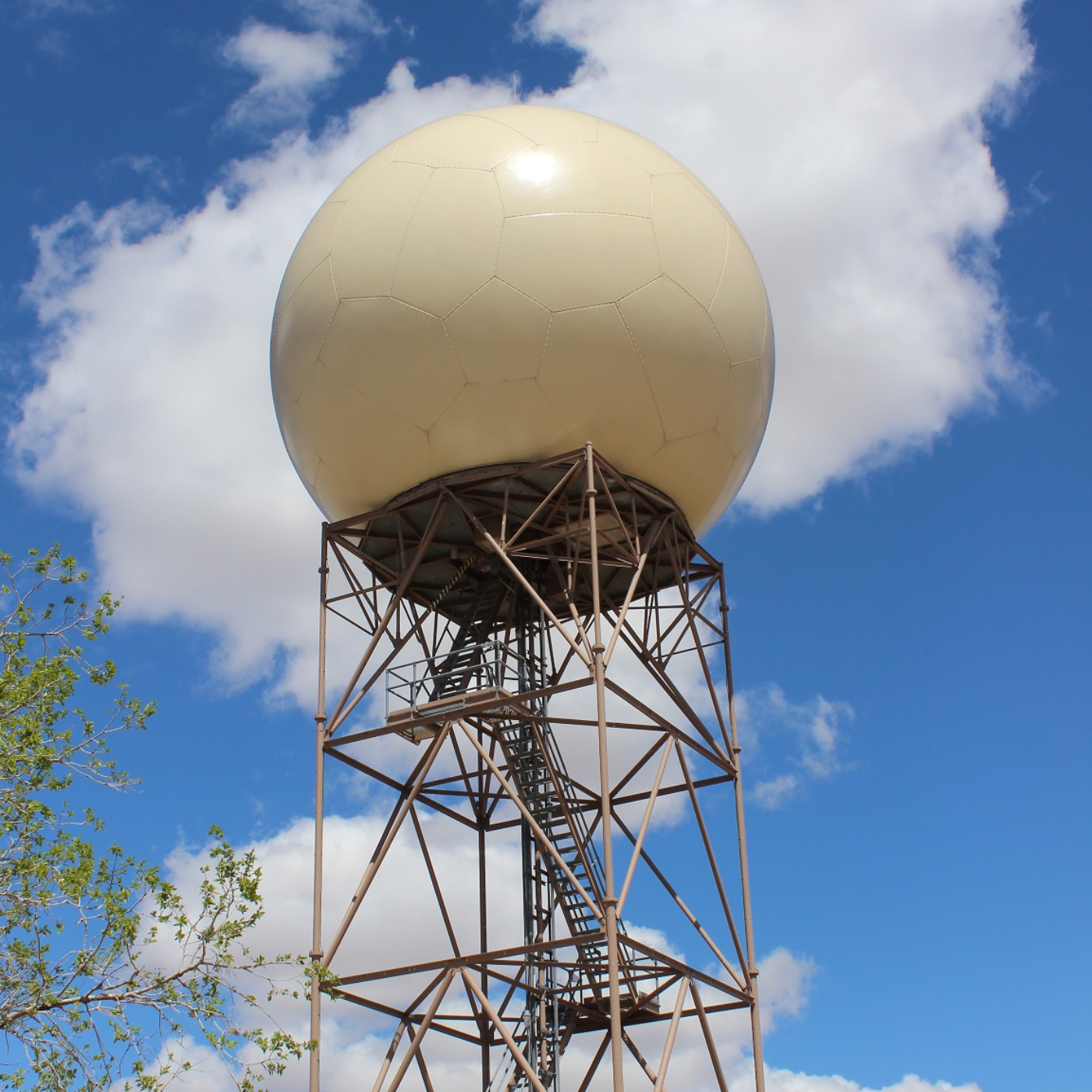
What is a WSR-88D radar and what does it do?The WSR-88D, or Weather Surveillance Doppler Radar, is an advanced radar system used by the National Weather Service (NWS) to detect weather phenomena. It transmits a powerful beam of energy and listens for the scattered energy that bounces back from objects in the atmosphere, such as raindrops, snowflakes, hail, dust, birds, and even insects. By analyzing the returned signal's strength, the time it took to travel, and its phase shift, the radar can gather information about precipitation and wind speed. This allows meteorologists to track storms, identify potential hazards like tornadoes, and issue timely warnings. The WSR-88D system has been in operational use since the 1990s across the United States and its territories.How does the Doppler effect relate to the WSR-88D radar?The WSR-88D is a Doppler radar because it utilizes the Doppler effect. This effect, named after Christian Doppler, describes the change in frequency of a wave in relation to an observer who is moving relative to the wave source. In the case of the radar, the radar beam is the wave, and objects in the atmosphere (like raindrops) are the wave sources reflecting the signal. As these objects move towards or away from the radar, the phase (or frequency) of the reflected signal changes. The radar's computers measure this phase change and convert it into a velocity, indicating whether the object is moving towards or away from the radar and at what speed. This ability to "see" wind motion is crucial for detecting the rotation within thunderstorms that can lead to tornadoes.Is everything seen on a WSR-88D radar image actual precipitation?No, not everything displayed on a WSR-88D radar image represents precipitation. While the radar is designed to detect precipitation, it can also pick up signals from other objects. Common non-precipitation echoes include "ground clutter" from the earth's surface or buildings near the radar, "anomalous propagation" (AP) when the radar beam bends towards the ground, "sea return" from ocean waves, and returns from biological targets like migrating birds and insects. Aircraft also appear as "point targets." While automated systems attempt to filter out some of these non-precipitation echoes, especially in products like precipitation accumulation, awareness of the general weather situation helps users differentiate between precipitation and other targets.What recent security threats have been directed towards NWS weather radars?Recent internal emails from the National Oceanic and Atmospheric Administration's (NOAA) security office indicate that National Weather Service offices are on guard due to threats targeting Doppler weather radars. A group identified as Veterans on Patrol, described as an anti-government militia organization, views these radars as "weather weapons." This group has advocated for conducting "penetration drills" on radar sites to identify weaknesses for potential destruction. While the specific beliefs of the group regarding the radars' function as "weather weapons" are unclear, the threats are being taken seriously by NOAA, and law enforcement agencies like the FBI are reportedly aware and tracking the situation. These threats coincide with staffing shortages at the NWS, particularly concerning radar maintenance technicians.
Embed this episode
NOW PLAYING
Terrorist Group Threatens to Destroy NOAA Weather Radar
No transcript for this episode yet
Similar Episodes
No similar episodes found.
Similar Podcasts
No similar podcasts found.