
EPISODE · Apr 15, 2024 · 36 MIN
That Voice In Your Head: Friend Or Foe? Science Of Self-Talk
from The Path to Calm
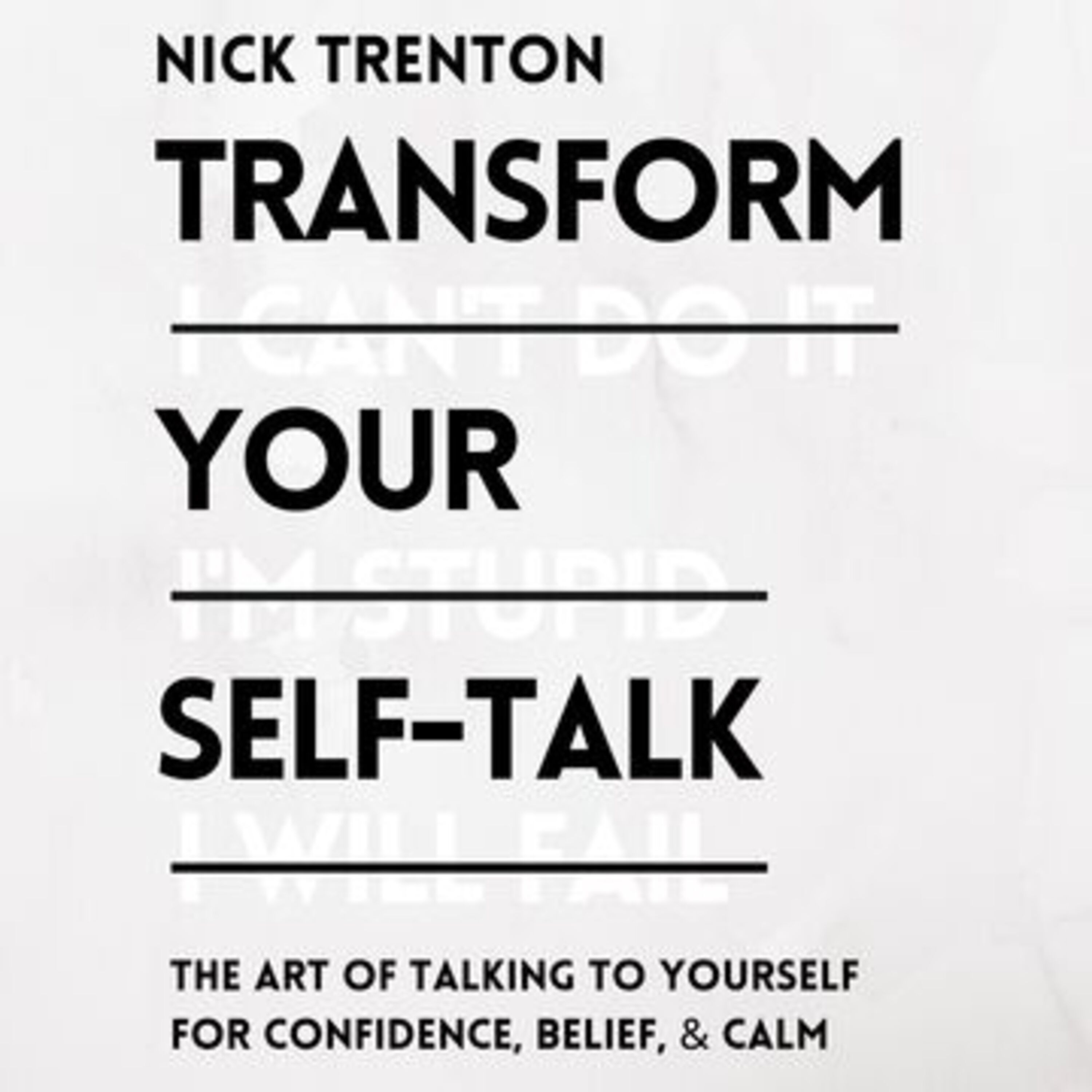
Hear it Here - bit.ly/selftalktrenton00:00:00 This is The Path to Calm00:06:42 The Science of Self-Talk00:15:05 The Dialogical Self Theory00:16:23 The Relational Frame Theory (RFT)00:18:01 Self-Talk as an Amplifier00:24:09 Eenie, Meenie, Minie, Moe • Have you ever noticed a voice inside your head that is constantly chattering about something or the other right from the moment you wake up? You might have grown so accustomed to it that you barely notice it anymore, but it's definitely there, and it’s either hurting or helping you. No perspective is truly neutral. This voice, a part of your stream of consciousness, is an inner monologue that runs alongside your life, observing and commenting on its various happenings. It tells you who you are, and how you should feel about your identity and the events that occur in your life. • There are three main types of inner voices or self-talk. The first is positive self-talk, which acts as a continuous reaffirmation of the good things about you and your life. This type of inner voice bolsters our confidence and elevates happiness levels. However, on the other end lies negative self-talk. This voice is always critical and saying degrading things to us about who we are, what we do, etc. If left uncontrolled, it can lead to several mental health issues. The third type is neutral self-talk, which simply consists of unbiased observations as we walk through life—although this almost always has a positive or negative subtext. • Our inner voice, regardless of type, represents the inner representation we have of ourselves. Often, this is not consistent with reality. The way we think we are and what we actually are can be miles apart, but reality seldom matters if we’re convinced that things are a certain way. This leads to why having healthy self-talk is so important. It influences our thoughts, perceptions, and the way we view ourselves, all of which have physiological correlations that affect how we feel and behave. The basis behind this is neuroplasticity, as the more you repeat something, the more it changes your brain’s structure and becomes your reality. • If you’re wondering what exactly counts as self-talk, it includes positive or negative statements we say to ourselves, our ruminations, racing thoughts, and the conversations we have with ourselves. Regulating this self-talk can have many positive effects that are essential to our well-being, such as improving sports performances, reducing stress, promoting better self-esteem, and helping us cope with the ups and downs of life. Monitoring self-talk is the key to changing your emotions, behavior, perspective, and life potential.
Embed this episode
NOW PLAYING
That Voice In Your Head: Friend Or Foe? Science Of Self-Talk
No transcript for this episode yet
Similar Episodes
No similar episodes found.
Similar Podcasts
No similar podcasts found.