PodParley PodParley

The 1899 Law That Could Regulate AI

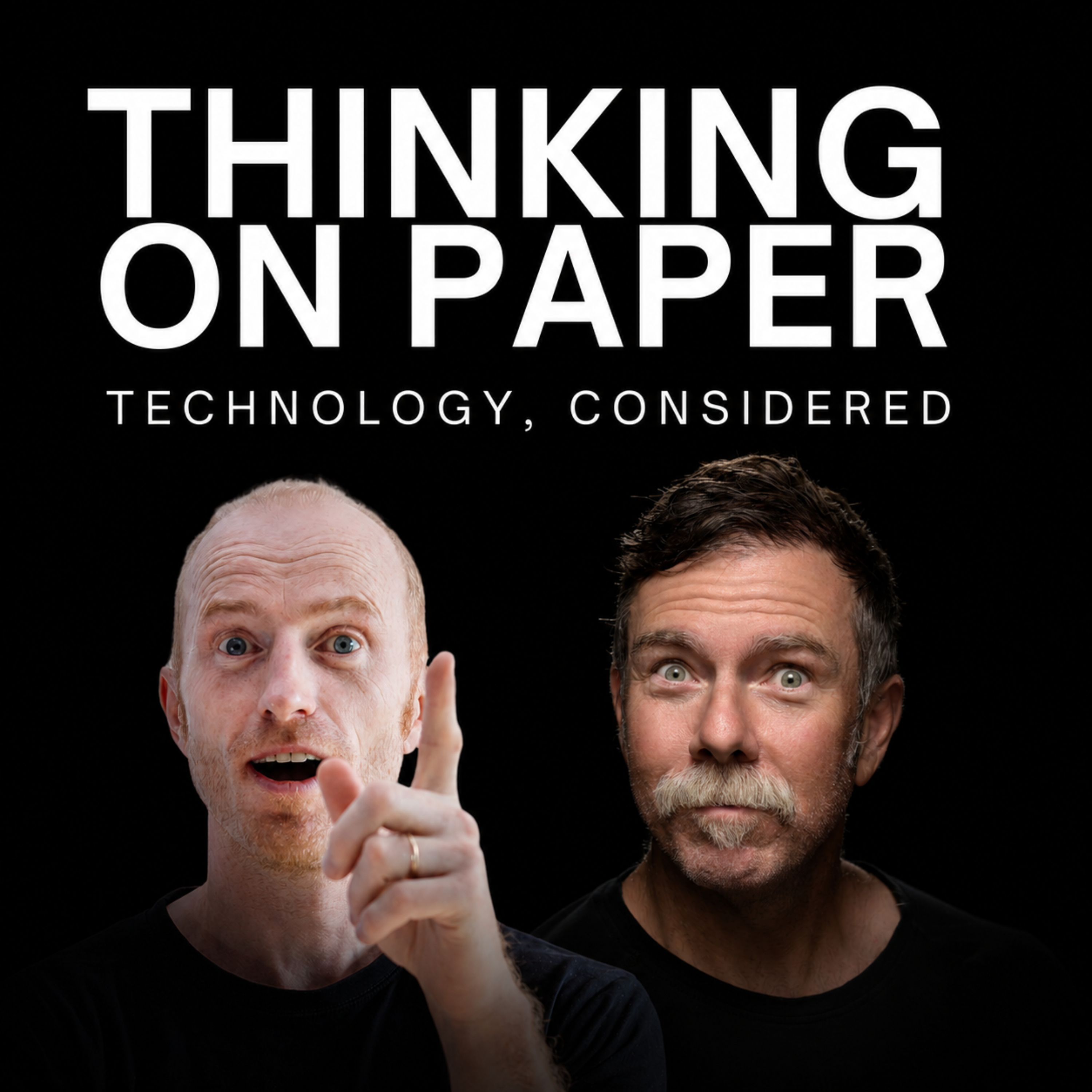
An episode of the Thinking On Paper podcast, hosted by Mark Fielding and Jeremy Gilbertson, titled "The 1899 Law That Could Regulate AI " was published on April 7, 2026 and runs 27 minutes.

April 7, 2026 ·27m · Thinking On Paper

0:00 / 0:00

The Martens Clause, a legal principle drafted by Russian-Imperial diplomat Fyodor Martens during the first Hague Peace Conference of 1899, established that even in the absence of specific written law, nations and individuals remain bound by "the laws of humanity and the requirements of public conscience." Originally conceived as a compromise to prevent the collapse of early international humanitarian law negotiations - when smaller nations like Belgium objected to how occupying powers classified resistance fighters - the clause became a foundational backstop in international law. It was subsequently invoked in some of the most consequential legal proceedings of the twentieth century, including the Nuremberg Trials of 1945-46 to counter arguments that prosecuting Nazi war crimes constituted retroactive legislation, the 1949 Corfu Channel case where Albania was held responsible for failing to warn shipping of mines in its territorial waters, and the 1986 ICJ ruling against the United States for mining Nicaraguan harbors and supporting the Contra insurgency.Mark & Jeremy from Thinking On Paper are now asking whether this 127-year-old principle could serve as what some are calling a "minimum viable architecture" for governing emerging technologies — particularly artificial intelligence, commercial space operations, and quantum computing — where the pace of innovation vastly outstrips the speed of regulation. Jeremy argues that the clause's core logic — that something not being explicitly prohibited does not make it automatically permitted — could provide a much-needed ethical and legal floor beneath industries currently operating in regulatory grey zones, from AI training on copyrighted data to autonomous weapons systems and asteroid mining rights. Mark counters that the clause has historically only been applied retroactively to clear moral atrocities, and that its deliberately vague language, while effective at building diplomatic consensus, lacks the specificity needed to adjudicate the morally ambiguous questions at the frontier of technology, such as algorithmic bias, AI decision-making opacity, and the concentration of technical power among a small number of corporations and nation-states.Please enjoy the show. --🎧 Listen to every podcast⁠📺 Follow us on ⁠Instagram⁠🏠 Follow us on ⁠X⁠🏠 Follow Jeremy on ⁠LinkedIn⁠To suggest guests or sponsor the show, please email: [email protected](00:00) The First Peace Conference: A Historical Perspective(07:37) The Martin's Clause: Implications for Modern Governance(10:05) Space Tech and the Outer Space Treaty(13:58) AI and the Need for Ethical Frameworks(17:21) Accountability in Technology Deployment(22:56) The Future of Humanity: Collaboration vs. Competition

The Martens Clause, a legal principle drafted by Russian-Imperial diplomat Fyodor Martens during the first Hague Peace Conference of 1899, established that even in the absence of specific written law, nations and individuals remain bound by "the laws of humanity and the requirements of public conscience." 


Originally conceived as a compromise to prevent the collapse of early international humanitarian law negotiations - when smaller nations like Belgium objected to how occupying powers classified resistance fighters - the clause became a foundational backstop in international law. 


It was subsequently invoked in some of the most consequential legal proceedings of the twentieth century, including the Nuremberg Trials of 1945-46 to counter arguments that prosecuting Nazi war crimes constituted retroactive legislation, the 1949 Corfu Channel case where Albania was held responsible for failing to warn shipping of mines in its territorial waters, and the 1986 ICJ ruling against the United States for mining Nicaraguan harbors and supporting the Contra insurgency.


Mark & Jeremy from Thinking On Paper are now asking whether this 127-year-old principle could serve as what some are calling a "minimum viable architecture" for governing emerging technologies — particularly artificial intelligence, commercial space operations, and quantum computing — where the pace of innovation vastly outstrips the speed of regulation. 


Jeremy argues that the clause's core logic — that something not being explicitly prohibited does not make it automatically permitted — could provide a much-needed ethical and legal floor beneath industries currently operating in regulatory grey zones, from AI training on copyrighted data to autonomous weapons systems and asteroid mining rights. 


Mark counters that the clause has historically only been applied retroactively to clear moral atrocities, and that its deliberately vague language, while effective at building diplomatic consensus, lacks the specificity needed to adjudicate the morally ambiguous questions at the frontier of technology, such as algorithmic bias, AI decision-making opacity, and the concentration of technical power among a small number of corporations and nation-states.


Please enjoy the show.


--


🎧 Listen to every podcast⁠

📺 Follow us on ⁠Instagram⁠

🏠 Follow us on ⁠X⁠

🏠 Follow Jeremy on ⁠LinkedIn⁠


To suggest guests or sponsor the show, please email: [email protected]


--


(00:00) The First Peace Conference: A Historical Perspective

(07:37) The Martin's Clause: Implications for Modern Governance

(10:05) Space Tech and the Outer Space Treaty

(13:58) AI and the Need for Ethical Frameworks

(17:21) Accountability in Technology Deployment

(22:56) The Future of Humanity: Collaboration vs. Competition


The Higher Attitudes Podcast Tom & Julie Obenchain Read the paper, watch the news, open your news app on your phone, how much of what you see is positive? The advertising that is all around us mostly reminds of what we are not, what we don’t have, and places we have not visited. Have you ever wondered what life would feel like if more of the messaging we see every day taught us to be content, peaceful, & hopeful?That’s where The Higher Attitudes Podcast comes in. This show is dedicated to focusing on positive, hopeful, even grateful ways of thinking. Let’s ditch the lower attitudes and adopt higher attitudes. Let's learn to be happy and peaceful and then teach others to do the same. Join us won’t you? Thinking On Your Own Nicholas Peterson Run down of my personal thoughts on the school system and what needs to change The Global Discourse Hamad m "The Global Discourse" is your essential podcast for well-informed discussions on global affairs. Hosted by experts, it tackles politics, economics, culture, and more. Our mission is to foster understanding and provoke critical thinking on today's complex world issues. Join us to explore diverse viewpoints and stay informed on topics shaping our planet. Subscribe for balanced, informative conversations. In "The Global Discourse," knowledge, insight, and understanding converge to shape a more enlightened world. Festival of Dangerous Ideas Festival of Dangerous Ideas Listen to over 10 years of talks presented at the Festival of Dangerous Ideas – Australia's original disruptive ideas festival. FODI brings to light important conversations that push the boundaries of conventional thought, challenging thinking on some of the most persevering and difficult issues of our time. Hear from our festival alumni – the world's best experts, innovative thinkers and mischief makers – as they share provocative ideas and conversations that encourage debate and critical thinking. It's time to get uncomfortable…
URL copied to clipboard!