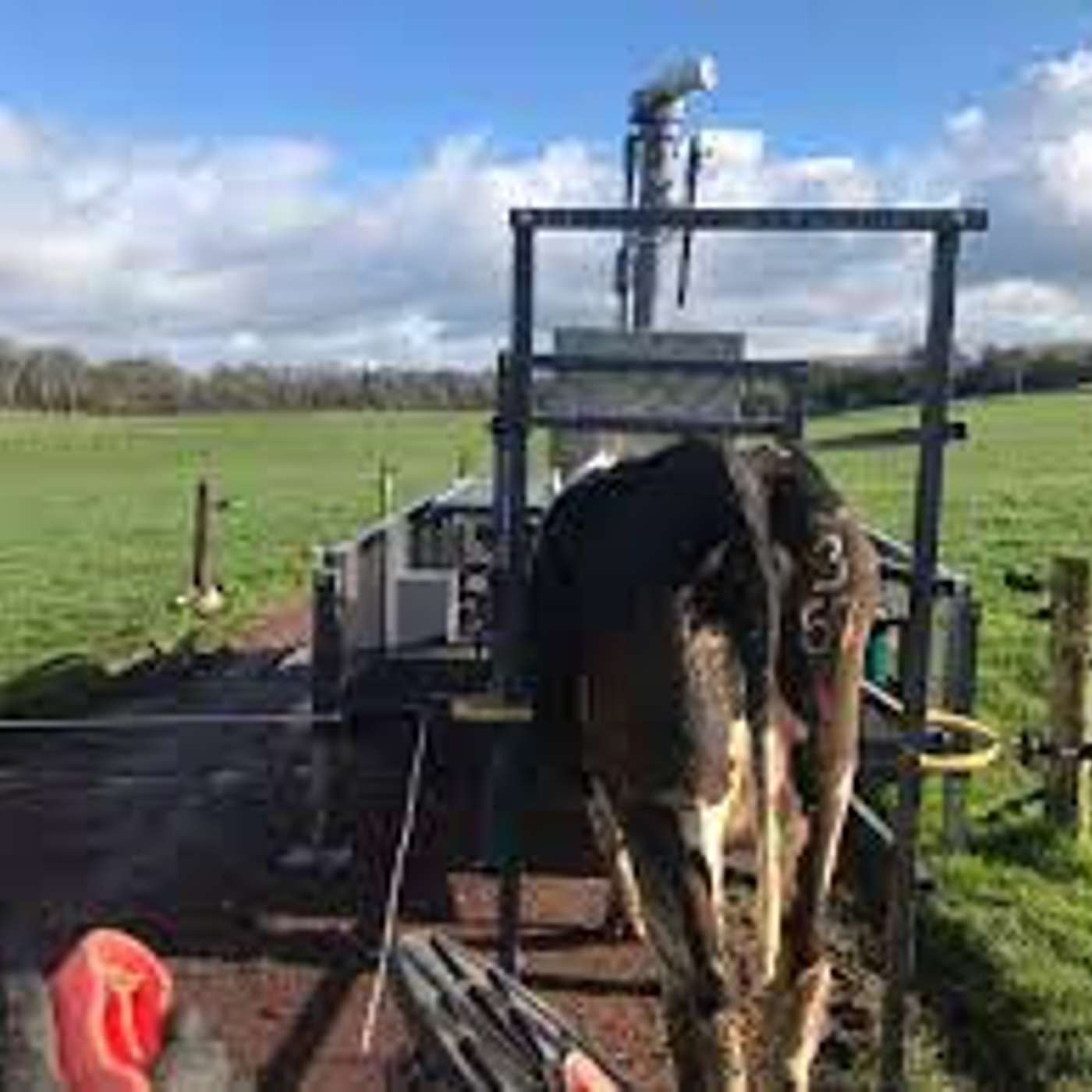
The Additive Trials Reporting an 80% Reduction in Methane Emissions episode artwork

EPISODE · May 3, 2021 · 20 MIN

The Additive Trials Reporting an 80% Reduction in Methane Emissions

from The Dairy Edge · host Teagasc

Katie Starsmore and Ben Lahar join Emma-Louise Coffey on this week’s Dairy Edge podcast to give an insight into the Green Feed trial that is investigating feed additives that have the potential to reduce methane emissions from grass fed dairy cows. Katie explains that the trial cows emitted 320g of methane daily on average across the last three weeks. Methane is produced by bugs in the rumen following digestion of feed. Higher digestibility feed (lower pre-grazing cover) results in lower emissions. Ben reviews some additives that have been trialled in TMR systems which reported an 80% reduction in methane emissions over a 60-day period when supplemented with red seaweed additives. In the Teagasc experiments, trials continue to investigate additives in grass-based systems. Additionally, Ben identifies scope to reduce methane emissions through improving genetic merit. Higher EBI dairy cows are more fertile and consequently have greater longevity and milk production. Each €10 increase in EBI results in a 1% reduction in emissions, a reduction which is cumulative and permanent. For more information: https://www.teagasc.ie/news--events/news/2019/new-research-.php For more episodes from the Dairy Edge podcast go to the show page at: https://www.teagasc.ie/animals/dairy/the-dairy-edge-podcast/ Produced on behalf of Teagasc by LastCastMedia.com

Katie Starsmore and Ben Lahar join Emma-Louise Coffey on this week’s Dairy Edge podcast to give an insight into the Green Feed trial that is investigating feed additives that have the potential to reduce methane emissions from grass fed dairy cows. Katie explains that the trial cows emitted 320g of methane daily on average across the last three weeks. Methane is produced by bugs in the rumen following digestion of feed. Higher digestibility feed (lower pre-grazing cover) results in lower emissions. Ben reviews some additives that have been trialled in TMR systems which reported an 80% reduction in methane emissions over a 60-day period when supplemented with red seaweed additives. In the Teagasc experiments, trials continue to investigate additives in grass-based systems. Additionally, Ben identifies scope to reduce methane emissions through improving genetic merit. Higher EBI dairy cows are more fertile and consequently have greater longevity and milk production. Each €10 increase in EBI results in a 1% reduction in emissions, a reduction which is cumulative and permanent. For more information: https://www.teagasc.ie/news--events/news/2019/new-research-.php For more episodes from the Dairy Edge podcast go to the show page at: https://www.teagasc.ie/animals/dairy/the-dairy-edge-podcast/ Produced on behalf of Teagasc by LastCastMedia.com

NOW PLAYING

The Additive Trials Reporting an 80% Reduction in Methane Emissions

0:00 20:04

No transcript for this episode yet

We transcribe on demand. Request one and we'll notify you when it's ready — usually under 10 minutes.

Frequently Asked Questions

How long is this episode of The Dairy Edge?

This episode is 20 minutes long.

When was this The Dairy Edge episode published?

This episode was published on May 3, 2021.

What is this episode about?

Katie Starsmore and Ben Lahar join Emma-Louise Coffey on this week’s Dairy Edge podcast to give an insight into the Green Feed trial that is investigating feed additives that have the potential to reduce methane emissions from grass fed dairy...

Can I download this The Dairy Edge episode?

Yes, you can download this episode by clicking the download button on the episode player, or subscribe to the podcast in your preferred podcast app for automatic downloads.
URL copied to clipboard!