
EPISODE · May 5, 2026 · 47 MIN
The AI Paradox: Why LLMs in healthcare actually require more structured data, not less | Ewout Kramer & Ward Weistra (Firely)
from Out of the FHIR Podcast · host Gene Vestel and Ward Weistra
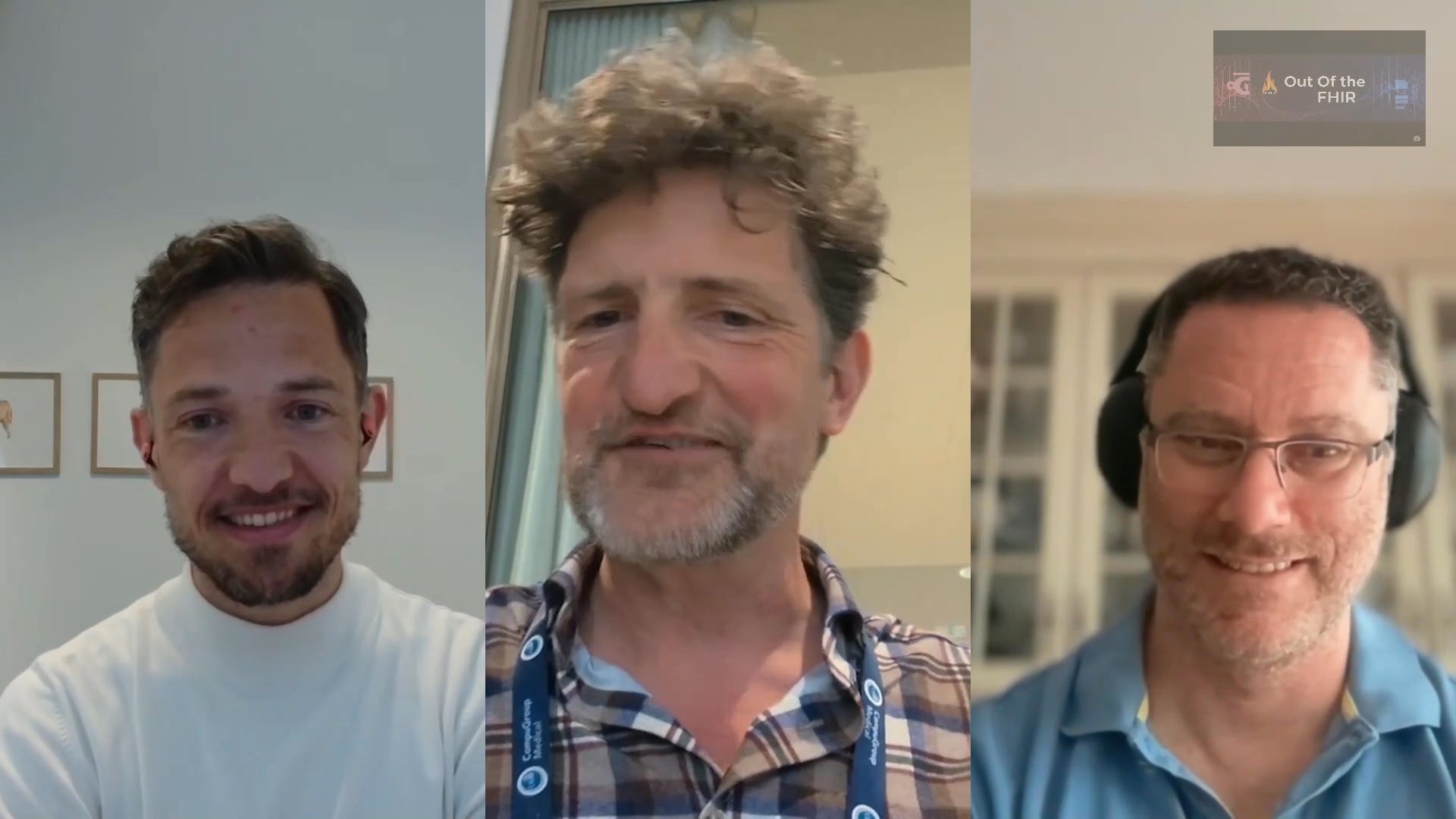
Ewout Kramer is the “head nerd” and founder of Firely, and one of the original architects of the FHIR (Fast Healthcare Interoperability Resources) standard. Ward Weistra leads data modeling tools at Firely and curates the content for FHIR DevDays. Together, they have spent over a decade transitioning healthcare from messy legacy standards to a modern, developer-friendly ecosystem.Listen on YouTube, Spotify, and Apple PodcastsWe discuss:* The Origins of DevDays: How a kitchen-table meetup 15 years ago turned into the canonical global event for health tech developers.* AI as a FHIR Catalyst: Why AI doesn’t replace the need for structured data—it actually makes the “Step Zero” of standardization more critical.* The Human Side of Interoperability: Why building trust between competitors is more important than the JSON schemas themselves.* The EHDS and Global Regulation: How the European Health Data Space and U.S. Cures Act are forcing a “bottom-up” shift in software engineering.* Community & Culture: From the “Nerd Awards” to student tracks and even forming a “FHIR band.”My biggest takeaways from this conversation:1. Standardization is only “Step Zero”A common mistake in health tech is assuming that once data is standardized into FHIR, the job is done. Ewout argues that standardizing data is merely the baseline. The real work and the focus of this year’s DevDays is extracting meaning. This involves moving from static data to national-scale workflows, clinical decision support (CQL), and figuring out how data travels with a patient across institutions without losing context.2. The AI Paradox: More AI requires more structure, not lessThere is a contrarian view that LLMs are now so good at reading unstructured text that we no longer need to invest in the “hard manual work” of FHIR mapping. Ward and Ewout share the results of their global “State of FHIR” survey, which suggests the opposite. Government leaders and engineers agree that AI actually increases the demand for FHIR. To prevent hallucinations and ensure clinical safety, AI agents need the “guardrails” of a structured schema to reason over data reliably.3. Interoperability is an “Inter-human” problemTechnology rarely solves the hardest problems in healthcare; communication does. Many data mapping issues stem from “decades of legacy data” where the original developers are gone, and no one knows how a specific field is used in a specific hospital. Solving this requires what Ward calls the “trust layer” getting competitors in the same room to agree on implementation guides so that the software actually talks to each other in the real world.4. Regulation provides the “Bottom-Up” powerThe EHDS (European Health Data Space) is set to mandate that by 2030, every piece of health software in the EU must implement the same interfaces. While this is a top-down mandate, it empowers the “single developer” within a large organization to convince their management to do the right thing. It shifts FHIR from a “nice-to-have” innovation project to a legal requirement for market entry.5. The “Tiny Core” of the FHIR CommunitySimilar to how great products have a “tiny core” (like the Notion block or the GitHub PR), the FHIR community relies on a core group of “head nerds” who have grown from junior devs to national thought leaders over the last 15 years. Events like DevDays maintain this culture through informal “nerd-outs” like automating pet turtle enclosures or building “Back to the Future” garage doors ensuring the community remains focused on building, not just policy-making.Where to find Ewout and Ward:* Ewout Kramer: LinkedIn* Ward Weistra: LinkedIn* Firely: https://fire.lyReferenced:* FHIR DevDays (June 15-18, Minneapolis): https://devdays.comhttps://www.hl7.org/* The EHDS (European Health Data Space): Official Overview* Vivian Lee’s “The Long Fix”: Book Link* Kill the Clipboard Initiative: https://killtheclipboard.com* Simplifier.net: FHIR RegistryImportant Disclamer: DevDays is organized by both HL7 International and Firely This is a public episode. If you'd like to discuss this with other subscribers or get access to bonus episodes, visit evestel.substack.com/subscribe
Embed this episode
NOW PLAYING
The AI Paradox: Why LLMs in healthcare actually require more structured data, not less | Ewout Kramer & Ward Weistra (Firely)
No transcript for this episode yet
Similar Episodes
No similar episodes found.
Similar Podcasts
No similar podcasts found.