
EPISODE · Dec 18, 2024 · 53 MIN
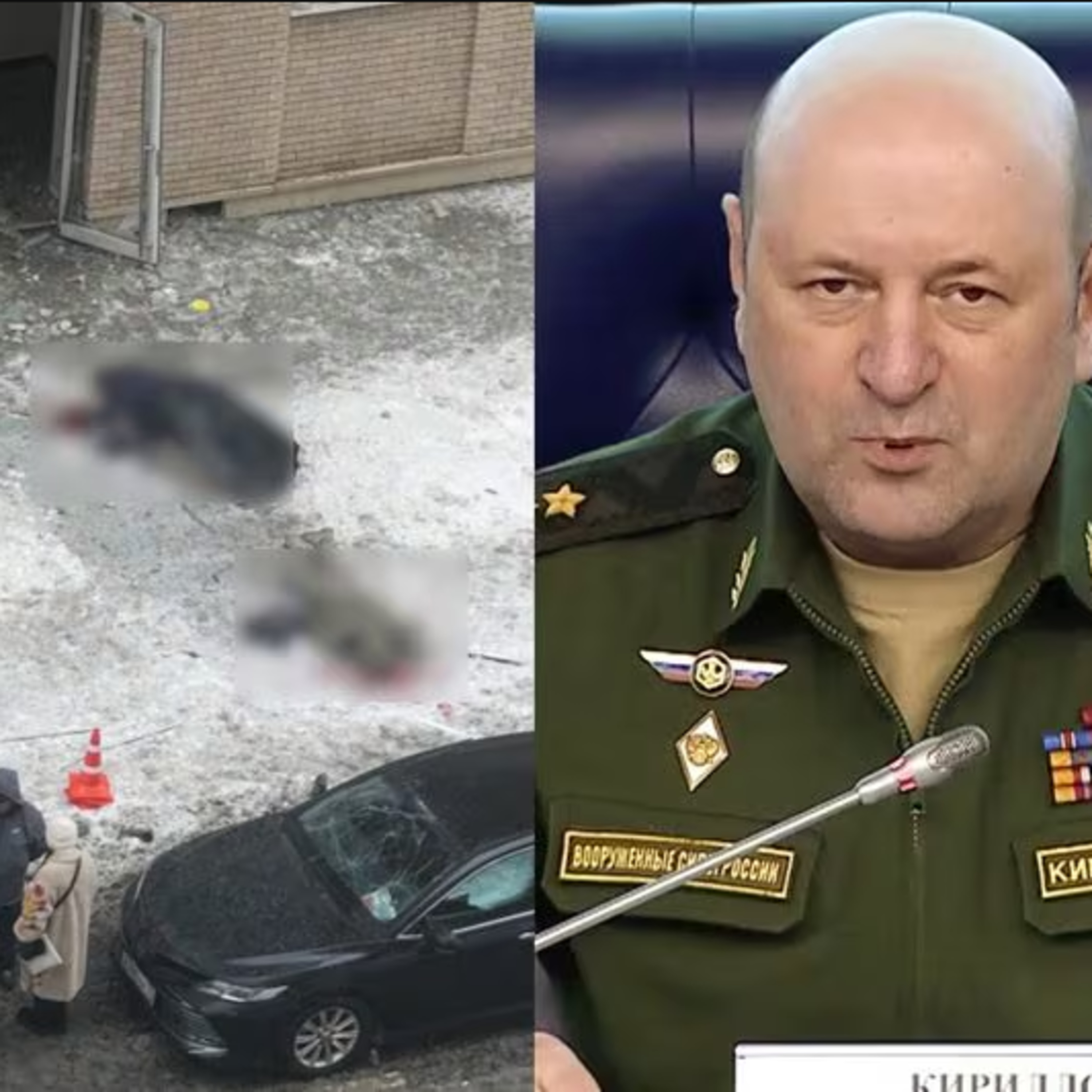
The Assassination of Russian General Igor Kirillov in Moscow
from Conversations Among The Ruins · host Charles Erickson
The conversation delves into the assassination of Russian General Igor Kurylov, exploring the implications of Ukraine's open acknowledgment of such acts, the shifting moral landscape regarding assassinations in warfare, and the complicity of Western media in shaping narratives around these events. The discussion highlights the role of hatred and desperation in conflict, the contrasting approaches of restraint versus retaliation, and the global perception of Western actions in the context of morality and ethics in warfare. The conversation delves into the implications of recent military actions, particularly the assassination of a top general and its potential escalation. The unpredictability of leadership, especially regarding Trump, is discussed in the context of global tensions with Russia and Iran. The importance of diplomacy and communication is emphasized, alongside a critique of the effectiveness of missile strikes compared to drone warfare. The cyclical nature of military strategy and the challenges faced by Russia in Syria are also explored. General Igor Kurylov was a high-ranking official in the Russian military. Ukraine's open acknowledgment of assassinations marks a significant shift in tactics. Assassinations are viewed as acts of terrorism, not legitimate warfare. Western media often blurs the lines of morality regarding assassinations. The narrative of good versus evil influences public perception of actions taken in war. Restraint in response to provocations is seen as a sign of strength. The media's complicity in shaping narratives around violence is concerning. Hatred and desperation drive many actions in the ongoing conflict. The global community is increasingly aware of the moral implications of Western actions. Exercising restraint can lead to greater respect on the international stage. Assassinating a top general is a significant escalation. Leaders like Trump can create unpredictable global tensions. Diplomacy is crucial, even if talks may fail. Missile strikes have proven to be largely ineffective. Drones have shown to be more effective than traditional weapons. Military strategies often repeat past mistakes with new 'wonder weapons'. Russia's presence in Syria is becoming increasingly problematic. Erdogan's role in Syria complicates Russia's position. Understanding the other side is essential for effective negotiation. The narrative around military actions often ignores technological limitations.
Embed this episode
NOW PLAYING
The Assassination of Russian General Igor Kirillov in Moscow
No transcript for this episode yet
Similar Episodes
No similar episodes found.
Similar Podcasts
No similar podcasts found.