
EPISODE · May 5, 2026 · 1H 13M
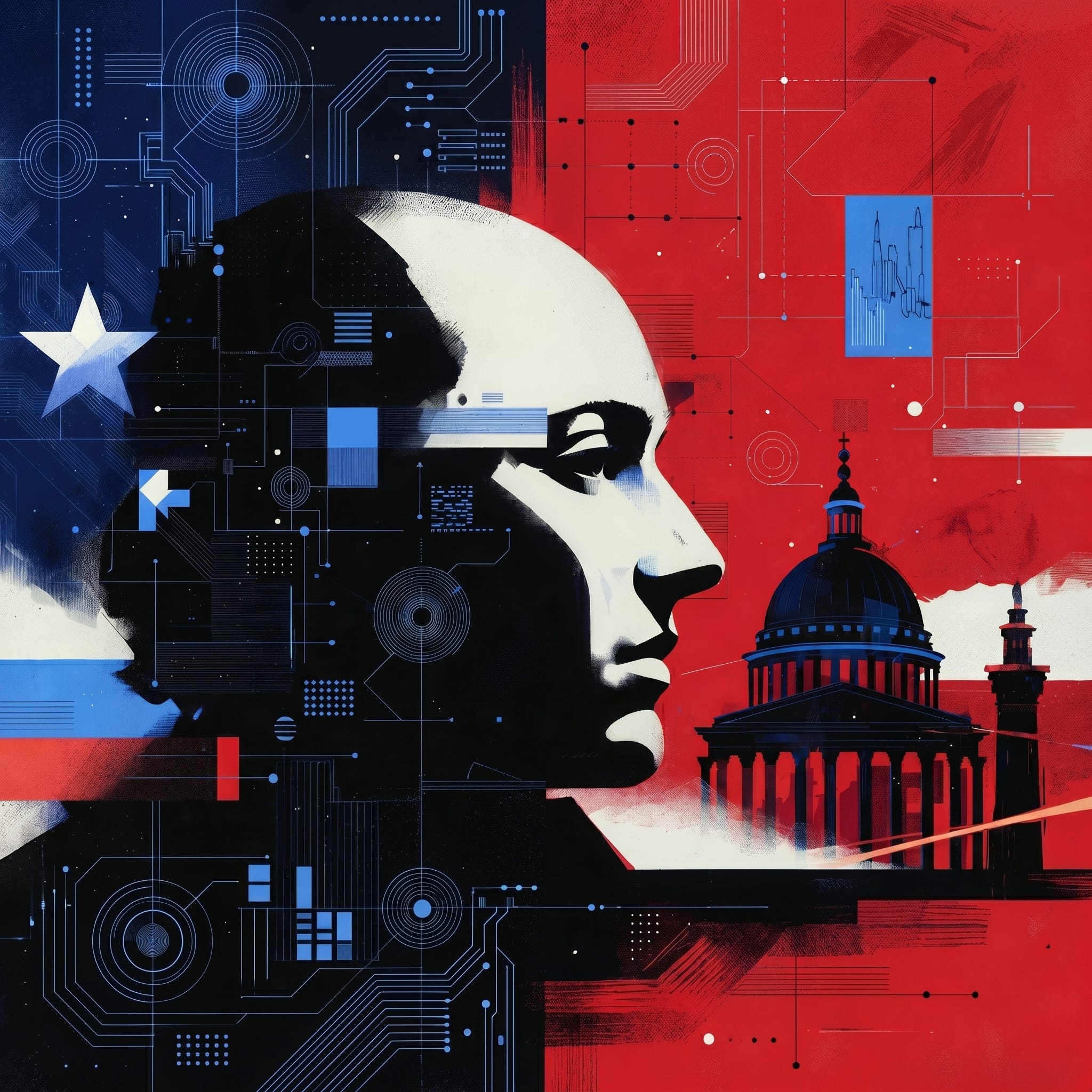
The Bear Fed — How the Iran War Handed Russia the Negotiating Position It Could Not Win on the Battlefield
from Consequential Actions Podcast · host Jeff Kellick
This contemporary application episode examines the Russo-Ukrainian peace negotiations from the perspective of how the Iran war, launched on February twenty-eighth, 2026, materially altered the negotiating landscape in Russia’s favor. Tracing the peace process from the November 2025 leak of the Trump twenty-eight-point plan through the European twenty-eight-point counterproposal, the December Berlin “NATO-like Article Five” offer, the December twenty-third revised twenty-point framework, the January sixth Paris Declaration, and the three trilateral rounds in Abu Dhabi and Geneva, the episode documents an operational negotiating process that was crystallizing as of mid-February 2026. The Iran war’s closure of the Strait of Hormuz, beginning March fourth, forced the United States Treasury Department to issue General Licenses 133 and 134, which substantially suspended the October 2025 sanctions on Lukoil and Rosneft and produced an estimated one hundred and fifty million dollars per day in additional Russian oil revenue. Simultaneously, the war drained American munitions stockpiles — particularly Patriot interceptor missiles — and forced the Pentagon to divert seven hundred and fifty million dollars in PURL-program funding from Ukraine to American inventories. The episode connects this strategic overextension to John Mearsheimer’s long-standing realist warning that simultaneous confrontation with Russia, China, and Iran would consolidate an anti-American coalition; documents the operational evidence of that consolidation in Foreign Minister Lavrov’s April fifteenth Beijing visit and the April seventh UN Security Council vote in which Russia and China jointly vetoed a Bahrain-led Hormuz resolution; and examines the constitutional vacuum represented by six failed Senate war powers resolutions, one House vote that failed by a single vote, and the lapse of the sixty-day War Powers Resolution deadline on May first. The episode closes with an extended analysis of security guarantee design, drawing on the lesson of 1914 to argue that any final Ukraine settlement guarantees must contain explicit sunset clauses and mandatory reassessment provisions to avoid replicating the architecture that cascaded into the First World War. This is a public episode. If you would like to discuss this with other subscribers or get access to bonus episodes, visit jeffkellick.substack.com
Embed this episode
Ready to play
The Bear Fed — How the Iran War Handed Russia the Negotiating Position It Could Not Win on the Battlefield
No transcript for this episode yet
Similar Episodes
No similar episodes found.
Similar Podcasts
No similar podcasts found.