
EPISODE · Dec 11, 2014 · 2H 29M
the black traitors of past , present and future !!!!!!!
from O YE DRYBONES (FEB 2019 - JAN 2025) · host DRYBONES
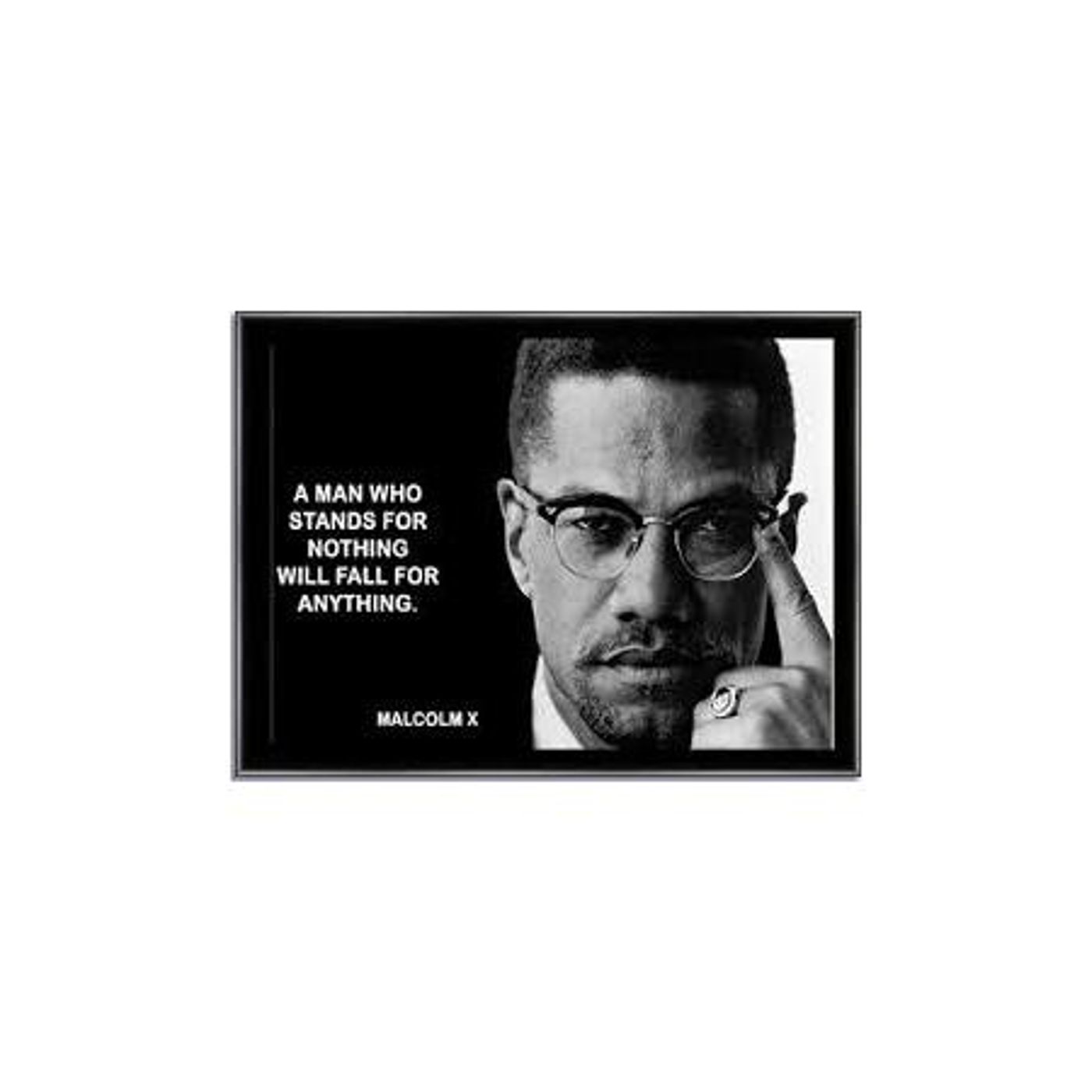
In some cases, we know who the informants are(or assassins, whatever the case may be). Actually, in most cases we know--whether we are speaking of Nat Turner and Denmark Vesey or Malcolm X. And the film does name some of the black informants who worked for the FBI and operated within Garvey's establishment. I don't think you can trace a direct line between these informants and the black elite, however. Why they are not always prosecuted to the full extent of the law is linked to who they work for. If they work for "the law," they will escape prosecution, and their ability to infiltrate is precisely why they were hired in the first place. Some food for thought. Perhaps the more critical "traitors" to the movement in the UNIA were Garvey's officers who pocketed a good deal of the money. Perhaps there is a structural limitation inherent in movements with a hierarchical structure with the goal of accumulation. That individuals could have so much direct access to money is a critical factor in the movement's demise.Their identities can be found in my book, "Seeing Red": Federal Efforts to Suppress Black Militancy, 1919-1925. The black agents were paid the same as white agents, and they joined the Bureau not to "get Garvey," but to secure positions in the federal government which had previously been denied to blacks. They were members of the black middle class who appear to have believed, as did many leaders like W.E.B. Du Bois, Become a supporter of this podcast: https://www.spreaker.com/podcast/o-ye-drybones-feb-2019-jan-2025--6507110/support.
Embed this episode
NOW PLAYING
the black traitors of past , present and future !!!!!!!
No transcript for this episode yet
Similar Episodes
No similar episodes found.
Similar Podcasts
No similar podcasts found.