
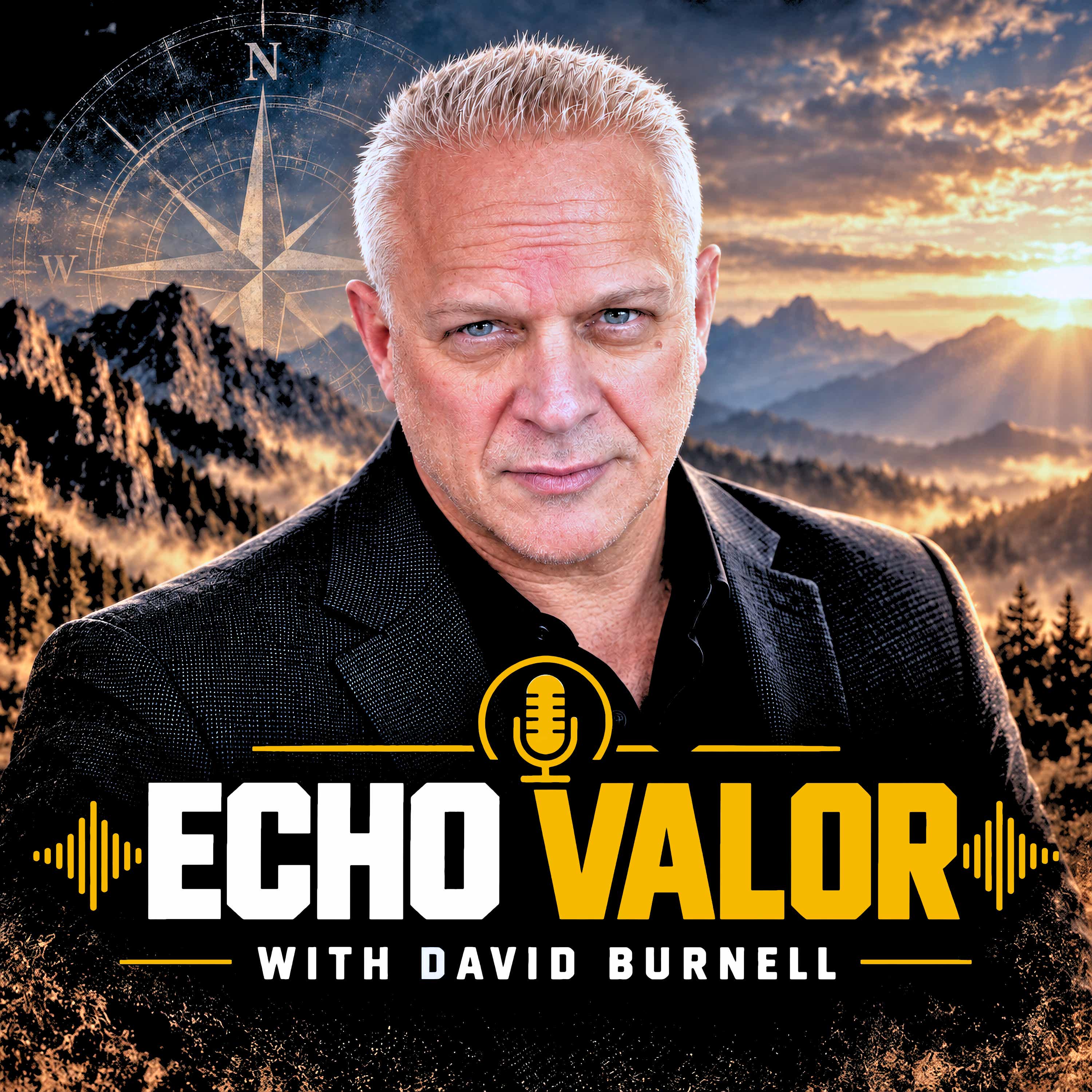
EPISODE · Aug 11, 2025 · 11 MIN
The Bodyguard’s Burden: Protecting Lives and Carrying the Weight of Haiti’s Earthquake
from Echo Valor Podcast with David Burnell · host David Burnell
When disaster strikes, some people rush to provide medical care. Others stand watch so caregivers can keep working. Both carry responsibilities that can remain long after the mission ends. In January 2010, a catastrophic earthquake devastated Haiti, destroying hospitals, homes, roads, and essential infrastructure. Thousands of people were killed, families were displaced, and communities struggled to survive amid widespread destruction. Humanitarian teams from around the world arrived to provide desperately needed medical assistance. Among them was the Utah Hospital Task Force, a team of medical professionals and volunteers committed to helping the injured and vulnerable. David Burnell's responsibility was different. His mission was to protect the people who had come to help. In this deeply personal episode of Echo Valor with David Burnell, David reflects on his firsthand experiences serving as Chief of Security for the Utah Hospital Task Force during the aftermath of the 2010 Haiti earthquake. As a United States Air Force veteran, professional bodyguard, and experienced rescue instructor, David understood the importance of preparation, threat recognition, and making difficult decisions under pressure. But Haiti presented challenges that extended far beyond ordinary protective operations. The earthquake had overwhelmed critical infrastructure. Transportation was uncertain. Reliable communications were difficult. Medical supplies were limited, and thousands of desperate people searched for food, water, treatment, and a safe place to sleep. Medical teams worked through exhaustion, often surrounded by suffering they could not possibly relieve. While doctors and nurses focused on saving lives, someone had to keep watch over the changing conditions around them. David describes the quiet responsibility of maintaining security in an environment where danger was not always obvious, and circumstances could deteriorate without warning. Protective work demanded constant attention. He had to consider the safety of medical personnel, evaluate potential threats, anticipate developing problems, and recognize when conditions required a change in plans. Sometimes protecting people meant making unpopular decisions. Sometimes it meant accepting responsibility for risks that others did not fully recognize. And sometimes it meant standing quietly in the background while the people he protected accomplished extraordinary things. The best protective work often goes unnoticed because the danger it prevents never becomes an emergency. But constant vigilance carries a cost. David reflects on the psychological burden of remaining alert for extended periods, the strain of making decisions when others depend upon you, and the difficulty of separating professional responsibility from personal concern. Hypervigilance can be useful in a dangerous environment. Recognizing small changes, noticing unfamiliar behavior, and anticipating possible threats may help prevent serious incidents. But maintaining that heightened level of awareness can become exhausting. And when the mission ends, the mind does not always return immediately to ordinary life. For some protectors, the hardest part of the mission begins when no one is left to protect—and the memories finally have room to surface. Drawing on his experiences in rescue operations, tactical training, and international humanitarian service, David considers the emotional cost carried by people whose responsibilities require them to remain calm while others are frightened, injured, or overwhelmed. The episode also examines the difference between strength and aggression. A professional protector avoids confrontation. The objective is to preserve life, reduce unnecessary risk, exercise sound judgment, and create the conditions in which others can safely accomplish their mission. True protection is not measured by how much force a person can use. It is measured by the discipline, restraint, and judgment that help keep others safe. Yet amid the devastation, David also witnessed extraordinary examples of compassion and resilience. The Haitian people endured tremendous suffering while struggling to care for their families and communities. Medical professionals continued treating patients despite fatigue and limited resources. Soldiers, volunteers, interpreters, and humanitarian workers cooperated across different organizations and backgrounds because the needs of suffering people mattered more than individual recognition. David reflects on the humility required to serve in such circumstances and the importance of remembering that no single individual can overcome the consequences of a disaster of this magnitude. Sometimes service means accepting that we cannot fix everything, while refusing to become indifferent to the things we can do. His faith in Jesus Christ remained an important source of strength throughout the mission, shaping his understanding of compassion, responsibility, and the worth of every human life. The Bodyguard's Burden is not simply a story about security in a disaster zone. It reflects the unseen responsibilities carried by those entrusted with protecting others. It is about the emotional weight of vigilance, the discipline required to exercise restraint, and the difficult transition from extraordinary circumstances back to ordinary life. For military veterans, law enforcement officers, security professionals, first responders, humanitarian volunteers, and anyone who has carried responsibility for another person's safety, this episode offers an understanding of the burdens that often remain invisible. The people who protect others are not immune to fear, exhaustion, grief, or trauma. Their willingness to carry responsibility does not make it weightless. David's experience in Haiti reinforced a lesson that continues to shape his understanding of service: The most meaningful work is not always the most visible. Sometimes it is found in the person standing watch while others rest. The professional who recognizes danger before anyone else notices it. The leader who makes a difficult decision because someone else's safety depends upon it. Or the individual who accepts a burden without expecting recognition for carrying it. There is a particular kind of courage in standing between danger and those who have placed their trust in you. And there is a particular kind of humility in remembering that the mission was never about you. The Bodyguard's Burden honors the quiet professionals who protect, serve, and carry the weight of responsibility when the world around them falls apart. Honor. Courage. Purpose. Support the show For more information, please visit www.echovalor.com
Embed this episode
What this episode covers
When disaster strikes, some people rush to provide medical care. Others stand watch so caregivers can keep working. Both carry responsibilities that can remain long after the mission ends. In January 2010, a catastrophic earthquake devastated Haiti, destroying hospitals, homes, roads, and essential infrastructure. Thousands of people were killed, families were displaced, and communities struggled to survive amid widespread destruction. Humanitarian teams from around the world arrived to provi...
Ready to play
The Bodyguard’s Burden: Protecting Lives and Carrying the Weight of Haiti’s Earthquake
No transcript for this episode yet
Similar Episodes
No similar episodes found.