
EPISODE · Jan 16, 2025 · 56 MIN
The Boston Strangler
from The Next Reel Film Podcast · host TruStory FM
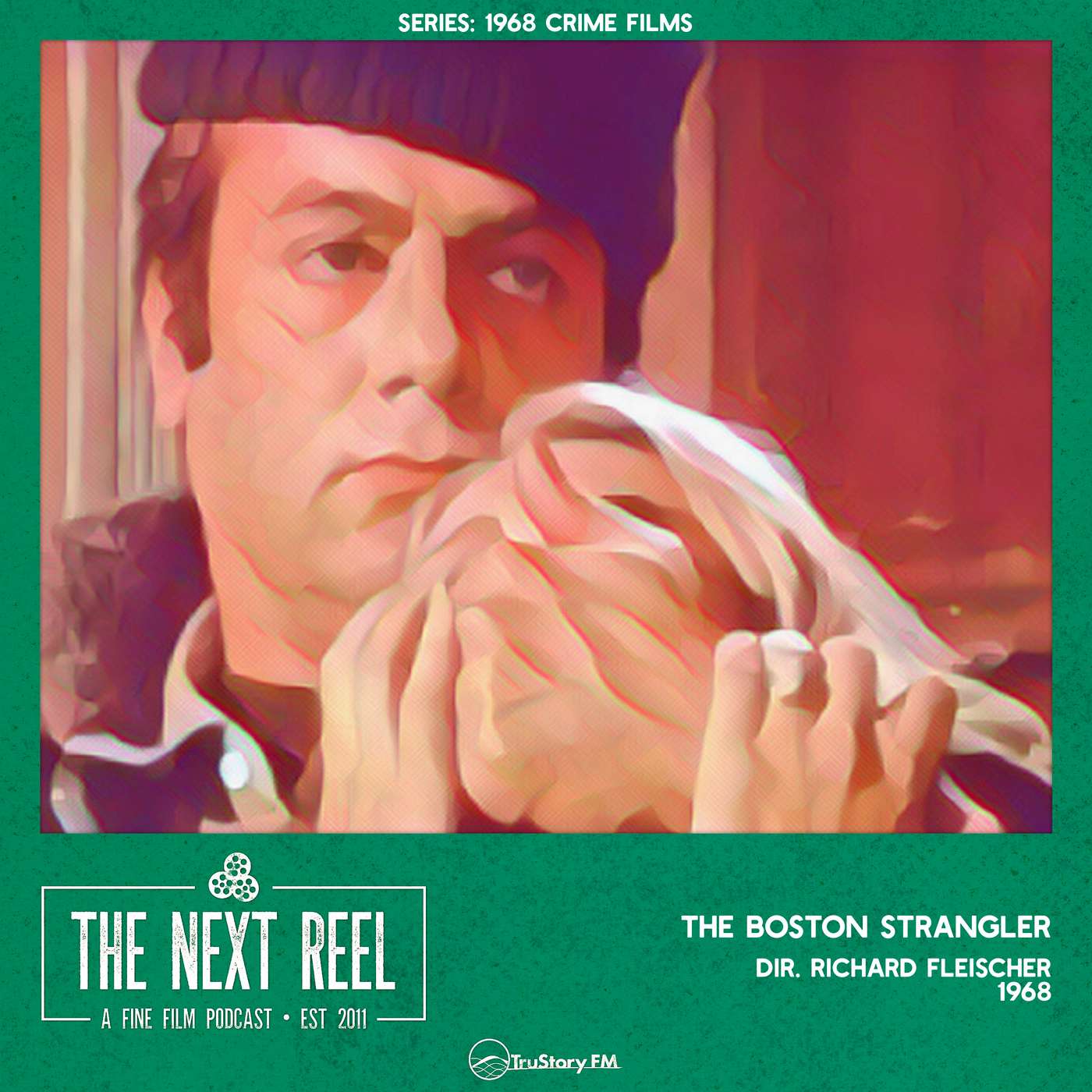
“It’s bad enough if he’s guilty, but what if he’s innocent and you push him over the edge?”Setting the Stage for a Controversial True Crime AdaptationIn 1966, writer Gerald Frank published his bestselling book about the Boston Strangler case, catching the attention of 20th Century Fox and producer Richard D. Zanuck. Director Richard Fleischer, known for his genre work, was brought on to helm the project. Against initial studio resistance, Tony Curtis lobbied hard for the lead role of Albert DeSalvo, even doing a screen test that convinced Zanuck. The film aimed to tell the story of the infamous Boston Strangler cases while they were still fresh in public memory. Join us – Pete Wright and Andy Nelson – as we continue the 1968 Crime Films series with a conversation about The Boston Strangler.Strangling Expectations: A Deep Dive into The Boston StranglerThe film takes a fascinating approach to its subject matter by withholding DeSalvo's appearance until halfway through, building tension through police procedural elements and Henry Fonda's measured performance as John Bottomly. We discuss how Fleischer's innovative use of split-screen techniques helps tell multiple narrative threads simultaneously, while exploring the psychological complexity of the case. Though some period elements feel dated, Tony Curtis delivers a transformative performance that deserved Oscar recognition.Further Investigation into the Film's ImpactRichard Fleischer's masterful direction and experimental visual styleThe film's treatment of psychological themes versus historical accuracyStrong supporting performances from George Kennedy and Sally KellermanContemporary critical response, including Roger Ebert's moral objectionsHow the film stands up against modern true crime adaptationsThe evolution of public understanding of the actual caseThe Boston Strangler remains a compelling piece of cinema despite its historical inaccuracies. While the film takes creative liberties with the true story, its innovative visual style and Curtis's remarkable performance make it a standout entry in the 1968 crime film genre. We have a great time talking about it, so check it out then tune in. The Next Reel – when the movie ends, our conversation begins!Film SundriesWatch this on Apple or Amazon, or find other places at JustWatchScript OptionsTheatrical trailerOriginal Material and on AudibleLetterboxd The Next Reel Family of Film Shows:Cinema Scope: Bridging Genres, Subgenres, and Movements | The Film Board | Movies We Like | The Next Reel | Sitting in the DarkConnect With Us:Web | Letterboxd | Flickchart | Instagram | Bluesky | YouTube | DiscordYour Hosts: Andy | PeteMerch Store | Audible
Embed this episode
NOW PLAYING
The Boston Strangler
No transcript for this episode yet
Similar Episodes
No similar episodes found.
Similar Podcasts
No similar podcasts found.