
EPISODE · Mar 27, 2025 · 15 MIN
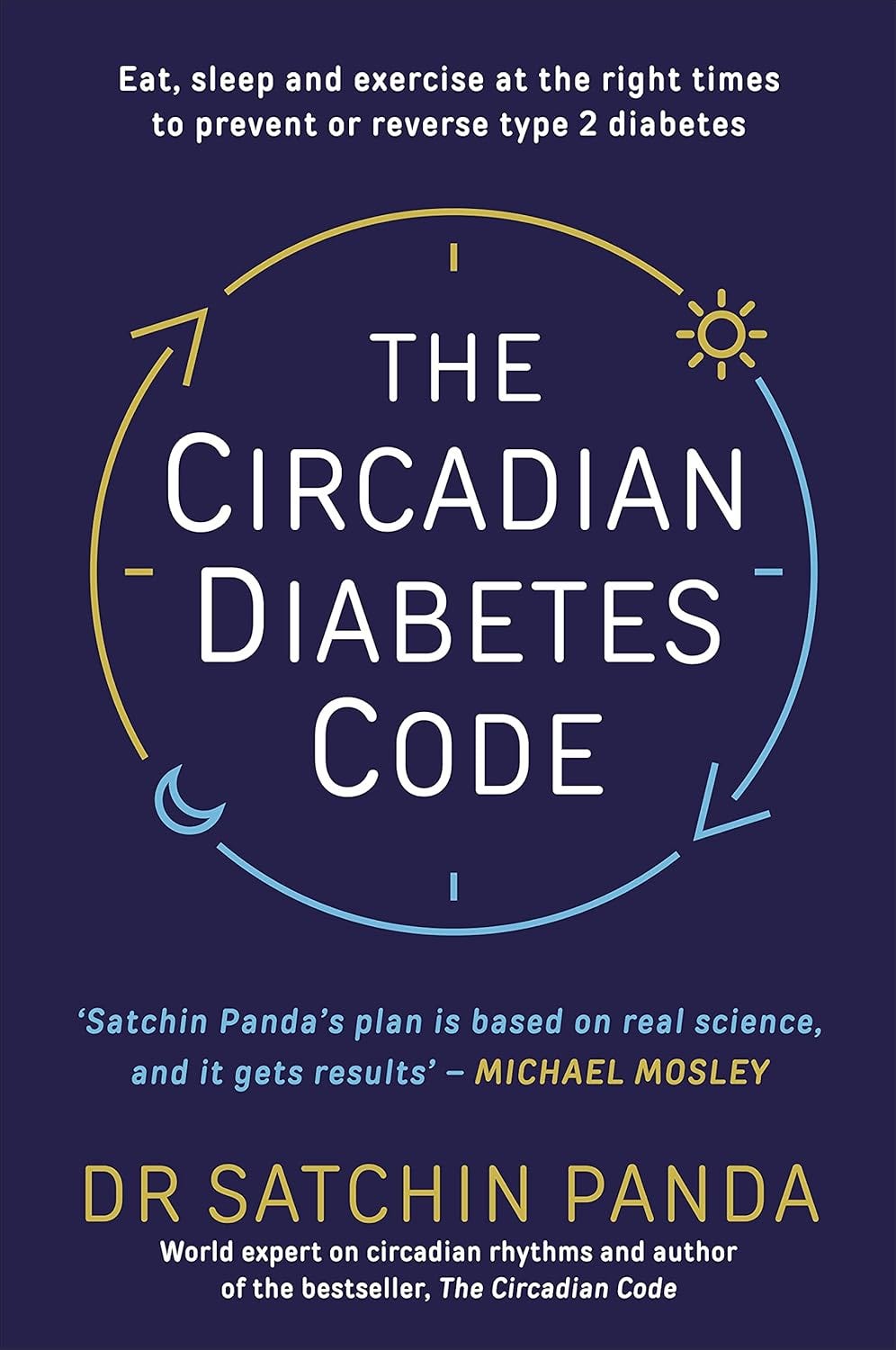
The circadian diabetes code: How to unlock your body's natural clock to reverse diabetes
from BigIdeas.FM: Audiobooks delivered as conversational podcasts! · host BigIdeas.FM
* Around 20% of world’s population has diabetes or is pre-diabetic.* 24.6%–26% of India's adult population has diabetes or pre-diabetesThese numbers are only going to go up as we look for more instant gratification (i.e. food delivery, packaged food etc).While we fix what we consume, a new scientific study brings an interesting perspective between diabetes and …sleep.A circadian rhythm is the body's natural 24-hour internal clock that regulates sleep, metabolism, hormone release, and other physiological processes in response to light and darkness.Circadian rhythms are personal biological clocks that exist in each one of our cells and they influence every aspect of our health.The Circadian Diabetes Code now applies this cutting-edge science to tackling type 2 diabetes. Combining circadian rhythms with intermittent fasting - the worldwide phenomenon launched in Dr Satchin Panda's ( leading expert in the field of circadian rhythm research) lab - you'll find out how to use this unique protocol to take back control of diabetes and achieve life-long healthYou can be in complete control of your blood sugar by living in alignment with your circadian rhythm.Changing when you eat, sleep and exercise can help you to treat, manage - and even reverse - type 2 diabetes and pre-diabetes.Share this with a diabetic friend or a relative of yours! (this is free to read/ listen).- Discover the best way to use intermittent fasting to lose weight- Learn when to exercise to optimise blood glucose levels- Identify ideal times to eat meals and take medication- Why the science of circadian rhythms can help you reverse type two diabetesDr Panda is the leading expert in the field of circadian rhythm research. He is Associate Professor in the Regulatory Lab at the SalkInstitute, a Pew Scholar and a recipient of the Dana Foundation Award in Brain and Immune System IBook summary : The Big ideas from The Circadian Diabetes CodeUnlock your body's natural clock to reverse diabetesDiabetes Explained: It All Starts with FoodDid you know a healthy adult body only needs about one teaspoon of sugar in the blood at any given time? When we eat, carbohydrates break down into glucose, flooding our bloodstream. Insulin, the key hormone produced by the pancreas, acts like a signal to open cell doors, allowing glucose in for energy or storage as glycogen and fat. When this delicate balance of storing and releasing glucose is disrupted, and blood sugar stays elevated, diabetes develops. Understanding these fundamental processes is the first step in taking control.Broken Clocks: How Modern Life Throws Off Our Natural RhythmsOur bodies are governed by circadian rhythms, internal 24-hour clocks that dictate when every cell functions optimally. These rhythms are deeply synchronized with the day-night cycle. However, modern erratic lifestyles, with inconsistent sleep, irregular eating times, and exposure to artificial light at night, confuse our master clock, the SCN. This misalignment disrupts critical metabolic processes, including blood glucose regulation, increasing our risk for diabetes and other health problems. As the author states, "When your circadian clock is broken, you cannot control your metabolism and you are at risk for diabetes".The Circadian Breakthrough: Timing Matters More Than You ThinkGroundbreaking research has revealed that the timing of our meals has a profound impact on our metabolism, often overriding signals from the brain's master clock. Studies on mice showed that even with an unhealthy diet, restricting food intake to an 8- to 10-hour window could prevent the development of glucose intolerance and metabolic diseases. This pivotal discovery highlights that when we eat is just as crucial as what we eat for managing blood sugar and overall health. As the author emphasizes, "Living in alignment with your natural circadian rhythm is the diabetes hack we were looking for".A Broken Circadian Rhythm: The Sinister Influence on DiabetesA compromised circadian code makes us vulnerable to various health issues, and diabetes itself can further disrupt these natural rhythms. Erratic sleep, late-night eating, and lack of daytime light exposure create a vicious cycle that undermines our body's ability to regulate blood glucose. Even seemingly small disruptions, like weekend sleep schedule shifts or late dinners, can throw our system off balance for days. Recognizing these influences is crucial because, as the author points out, "diabetes medications only manage symptoms, like controlling your blood glucose levels; they do not address the underlying cause".When to Eat: Unlock the Power of Intermittent FastingIntermittent Fasting (IF), specifically a daily eating window of 8 to 10 hours, offers a powerful strategy to retrain genes, balance fat storage and burning, and improve insulin sensitivity. This isn't about calorie counting but about timing your meals to align with your body's natural clock. Starting with a 12-hour window and gradually reducing it can yield significant benefits for blood sugar control and overall metabolic health. The author's research suggests that "one single, predictable, and sustained overnight fast a day is all you need to reap the many benefits of IF".What to Eat: Fuel Your Body with the Right Choices at the Right TimeWhile when to eat is paramount, what we eat significantly impacts our ability to stay within our IF window and reverse diabetes. Focusing on low-glycemic, whole foods like fiber-rich carbohydrates, lean proteins, and healthy fats is key. Avoiding ultra-processed foods, sugary drinks, and excessive simple carbohydrates helps stabilize blood sugar levels and reduces food cravings. The author advises to "choose only from the low- and ultra-low-GI carbs...to help control blood sugar throughout the day".Personalize Your Diabetes FightRisk factors like age, weight, and ethnicity vary, so tailor your approach. Panda’s height-to-weight chart flags diabetes risk (e.g., 5’6” over 155 lbs.). Men, shift workers, and certain ethnic groups (e.g., South Asians) face higher odds. “You can’t compare your results to those of your relatives,” he cautions, urging individualized circadian tweaks.Monitor and Master Your MetricsTrack fasting blood glucose (FBG) and HbA1c to gauge progress. FBG above 100 mg/dL signals trouble; HbA1c over 6.5% confirms diabetes. Panda suggests regular testing and doctor chats about TRE. “Get at least two of these tests done during your annual health exam,” he advises, empowering you with data-driven control.When to Exercise: Timing Your Activity for Optimal Blood Sugar ControlExercise is a potent tool in reversing diabetes, mirroring many of the benefits of IF. The timing of exercise can further enhance these effects. Morning exercise, especially outdoors, helps synchronize the brain clock. Late afternoon or early evening activity optimizes muscle function and insulin sensitivity. Even a short walk after dinner can significantly lower post-meal blood glucose spikes. The author emphasizes that "any daily exercise is better than no exercise, even at a suboptimal window of opportunity".Late-Night Eating Derails ProgressEating close to bedtime—within an hour—disrupts sleep and glucose regulation. Panda’s mother cut her 9 p.m. tea habit, slashing her prediabetes risk. Gut microbes and liver clocks suffer from late calories. “Eliminating this occasional late-night snacking may improve blood glucose,” he found, proving small tweaks yield big results.Optimize Sleep and Light Exposure: Essential Pillars of Circadian HealthSufficient and high-quality sleep is fundamental for regulating blood glucose and overall metabolic health. Fewer than 6 hours of sleep can impair insulin sensitivity and disrupt hunger hormones. Managing light exposure is equally crucial. Bright daylight, especially in the morning, helps synchronize our brain clock, while limiting blue light from screens in the evening promotes melatonin production and better sleep. As the author states, "Bright light at night reduces your ability to make melatonin, which ultimately can limit your sleep".Managing and Reversing Diabetes Symptoms: Partnering with Your DoctorWhile lifestyle changes are powerful, working closely with your doctor is essential for monitoring and improving your health. Being prepared for appointments with your health history, lab results, and a record of your IF progress allows for more effective discussions and medication adjustments. Understanding the "diabetes secret code"—that lifestyle recommendations are often as crucial as prescriptions—is vital. Regular testing and honest communication with your doctor are key to tracking your progress and making informed decisions.The 12-Week Challenge: Your Roadmap to Reversing DiabetesThis structured 12-week program guides you through gradual adjustments to your eating, exercise, and sleep habitsto optimize your circadian code. Starting with a 12-hour IF window and progressively narrowing it to 10 hours, while focusing on food quality, timed exercise, and sleep optimization, provides a sustainable path to reversing prediabetes and managing diabetes. The author believes that "good habits beget more good habits". Tracking your progress and setting personal goals are integral to staying motivated and achieving lasting results.Overview of the 12-Week ChallengeThe 12-Week Challenge is a step-by-step program designed to help individuals take control of their blood sugar, lose weight, and improve overall health using circadian principles. It integrates time-restricted eating (TRE), strategic exercise, optimized sleep, and mindful food choices into a sustainable lifestyle shift. The goal is not just symptom management but a potential reversal of prediabetes or early Type 2 diabetes, reducing reliance on medications. Panda emphasizes simplicity and personalization, promising, “You can be in complete control of your blood sugar by living in alignment with your circadian rhythm.” The challenge unfolds over 12 weeks, with each phase building habits and tracking progress through measurable metrics like fasting blood glucose (FBG), hemoglobin A1c (HbA1c), weight, and subjective well-being.Core Components of the Challenge* 10-Hour Time-Restricted Eating (TRE):* Participants limit food intake to a 10-hour window (e.g., 9 a.m. to 7 p.m.), aligning eating with the body’s peak digestive and metabolic efficiency. This leverages Panda’s research showing TRE improves insulin sensitivity and glucose regulation, as seen in his mother’s success (eating from 9 a.m. to 6 p.m. dropped her prediabetes markers).* Meal Timing and Quality:* A substantial breakfast within two hours of waking (e.g., eggs with whole grains) kickstarts metabolism. Lunch is moderate, and dinner is light, avoiding food within an hour of bedtime. Food focuses on complex carbs, lean proteins, and healthy fats, minimizing ultra-processed items.* Exercise Schedule:* Aim for 150 minutes weekly, split between aerobic (e.g., walking) and resistance training (e.g., weights). Optimal times are morning or late afternoon to sync with muscle clocks and enhance glucose uptake, with post-meal walks to blunt spikes.* Sleep Optimization:* Target 7-8 hours nightly, shutting off screens an hour before bed to preserve melatonin production. Consistent sleep reinforces circadian health, reducing cortisol and stabilizing blood sugar.* Progress Tracking:* Use tools like FBG tests (target: 75-100 mg/dL), HbA1c (below 6.5%), weight scales, and a “How Do You Feel” survey to monitor physical and mental improvements. Regular doctor visits refine the approach.Week-by-Week Breakdown* Weeks 1-2: Foundation Building* Set your 10-hour eating window and stick to it, starting with breakfast (e.g., 9 a.m.) and ending with dinner (e.g., 6 p.m.). Begin walking 20-30 minutes daily, ideally post-meal. Establish a sleep routine—lights out by 11 p.m. Log initial FBG, weight, and feelings like energy or hunger. “Weeks 1 and 2 are about setting up for success,” Panda notes, easing into habits.* Weeks 3-4: Habit Reinforcement* Refine meal timing: bigger breakfast, lighter dinner. Add resistance exercises (e.g., squats) twice weekly. Sleep consistency improves—aim for no late-night snacks. Check FBG mid-week; expect slight drops. Adjust based on energy levels, reducing coffee if jittery.* Weeks 5-6: Momentum Gains* Increase exercise to 40 minutes, mixing cardio and strength. Food quality sharpens—swap sugary snacks for nuts. Sleep deepens; note less fatigue. “How Do You Feel” survey shows progress (e.g., fewer headaches). Weight may dip 1-2 lbs, signaling fat loss.* Weeks 7-8: Fine-Tuning* Experiment with a 9-hour window if comfortable. Exercise hits 150 minutes weekly, with yoga or stretching added. Sleep feels restorative—7.5 hours becomes norm. Blood pressure and FBG trends improve; share with your doctor.* Weeks 9-10: Optimization* Lock in routines: 10-hour TRE, balanced meals, and regular workouts. Sleep aligns with natural cues (e.g., morning light exposure). Progress charts show HbA1c nearing 5.8% or lower. Confidence grows—“This is now a lifestyle,” Panda suggests.* Weeks 11-12: Mastery and Maintenance* Assess results: FBG below 100 mg/dL, HbA1c under 6%, and 5-10 lbs lost are typical. Exercise feels effortless; sleep is solid. Celebrate with a community meal within your window. Plan to sustain habits long-term, tweaking as needed.Personalization and GoalsPanda stresses setting personal goals—reversing prediabetes (FBG Tools and Support* Charts and Surveys: Weekly logs track FBG, weight, steps (aim for 5,000+ daily), and symptoms (e.g., joint pain). The “How Do You Feel” checklist (e.g., energy, mood) quantifies intangibles.* Community: Involve family or friends for accountability—Panda’s mother thrived with his guidance. Share recipes or walks to sustain momentum.* Doctor Collaboration: Update your physician on TRE and metrics; adjust meds like metformin if FBG stabilizes below 100 mg/dL.Expected OutcomesBy week 12, participants often see FBG drop to 75-100 mg/dL, HbA1c fall below 6%, and weight decrease by 5-10%. Beyond numbers, energy rises, sleep improves, and diabetes risks (e.g., heart disease) wane. Panda’s trials confirm this: a 10-hour TRE cohort cut atherogenic lipids and blood pressure. “The goal is to get you the results you’re looking for,” he writes, framing it as a lifelong circadian reset, not a quick fix. This is a public episode. If you'd like to discuss this with other subscribers or get access to bonus episodes, visit ideas.nextbigwhat.com/subscribe
Embed this episode
Ready to play
The circadian diabetes code: How to unlock your body's natural clock to reverse diabetes
No transcript for this episode yet
Similar Episodes
No similar episodes found.
Similar Podcasts
No similar podcasts found.