
EPISODE · Aug 1, 2026 · 59 MIN
The Common Law Will Control
from Consequential Actions Podcast · host Jeff Kellick
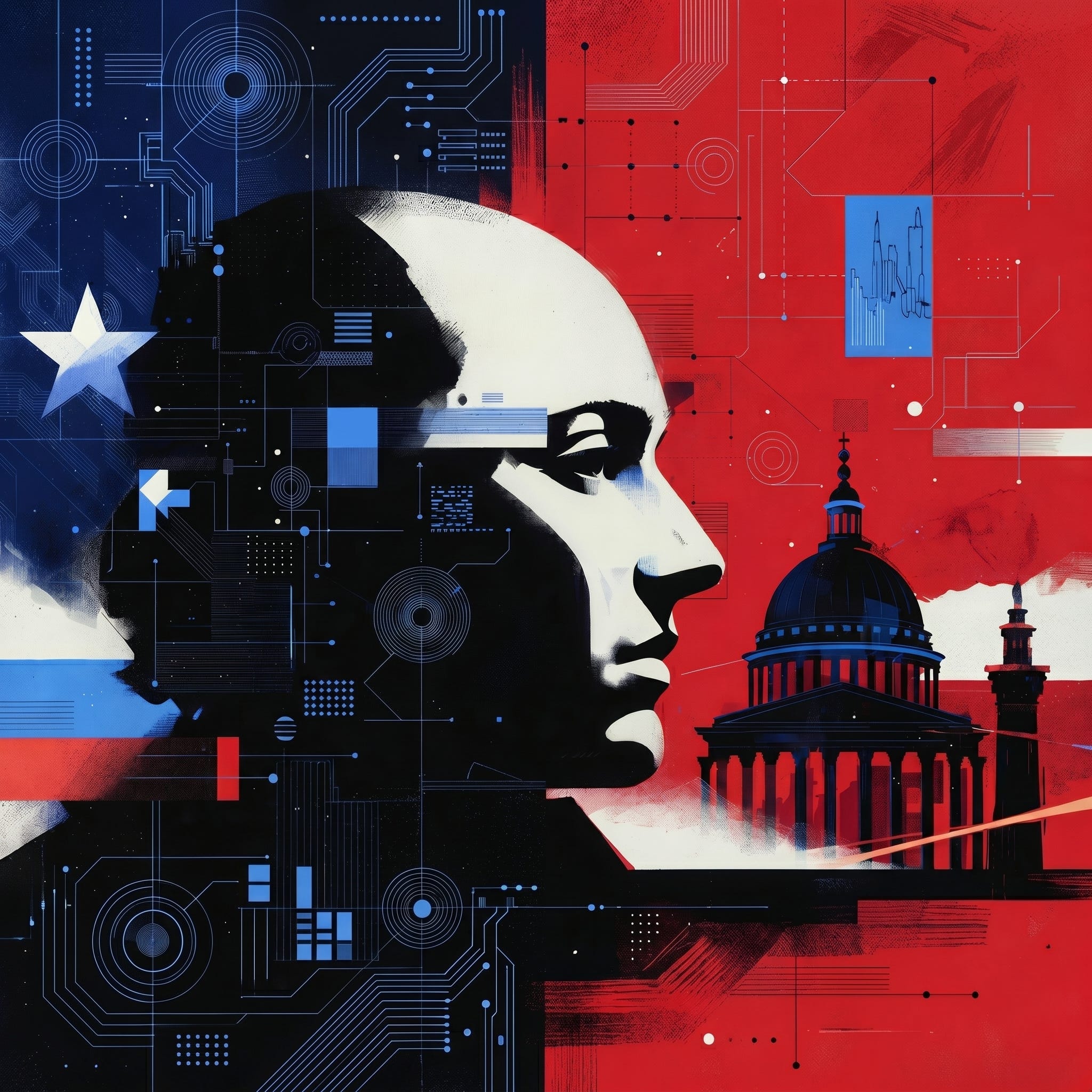
Self-Evident: The Road to 1776 — Episode 8 Sir Edward Coke Explained: The Common Law, Bonham’s Case & the Petition of Right | Self-Evident Ep. 8 Sometime around 1608, in a chamber at Whitehall, the King of England lost his temper with a judge. James the First held that his judges were merely his delegates — that he, the sovereign, possessed reason enough to pull any case into his own hands and decide it himself. The Chief Justice of the Common Pleas, Sir Edward Coke, did not deny the king’s intelligence. He denied that natural reason was enough. The law, he said, was an artificial reason, a craft mastered only over long years — and His Majesty was not learned in the laws of England. When James answered that to place the king under the law was treason, Coke reached back four centuries to a maxim of the jurist Bracton: that the king ought to be under no man, but under God and the law. Coke did more than any single man to forge the idea that the law stands above the crown. The common law was a law its own practitioners claimed no one had made, found rather than commanded, and it rested on the magnificent, and very largely false, myth of the “ancient constitution” that did enormous good anyway. The great cases were each narrow in holding and vast in implication: Prohibitions, Proclamations, Semayne’s Case and the home as a man’s castle, and Bonham’s Case, whose single most disputed sentence four centuries of brilliant readers have been unable to agree on. At the top stands the Petition of Right of 1628, and a seventy-five-year-old man’s fight over a single saving clause that would have undone all of it. The Honest Reckoning stops the ascent cold. The history Coke championed was false, and before he was the great defender of English liberty, he was one of the most ferocious prosecutors the crown ever employed — the man who abused Walter Raleigh at trial. The principle still crossed the ocean: a young Thomas Jefferson cursing “old Coke” by candlelight, and John Adams turning Coke’s own weapons against a Parliament. This week’s standing question runs underneath all of it: when we place a right beyond the reach of present power, does that leave people more free, or more governed? ⏱️ CHAPTERS 0:00 — Introduction: King James I vs. Sir Edward Coke 3:54 — Episode Overview: The Common Law Will Control 6:54 — Understanding the English Common Law 10:35 — The Concept of "Artificial Reason" 12:47 — The Myth of the Ancient Constitution 15:58 — James I and the Divine Right of Kings 19:20 — Landmark Cases: Prohibitions and Proclamations 23:13 — Semayne's Case: A Man's Home is His Castle 26:57 — Dr. Bonham's Case: Can Common Law Control Parliament? 31:14 — Charles I, Habeas Corpus, and the Petition of Right 36:24 — The Reckoning: False History and a Prosecutor's Past 40:40 — Addressing Objections to Coke's Legacy 47:09 — The Liberty Test: Fundamental Law vs. Democratic Majorities 50:02 — Coke's Transmission to the American Colonies 56:53 — Conclusion and Preview: The Levellers 📚 Companion article — Article 8, “The Common Law Will Control”: https://www.consequentialactions.com/post/the-common-law-will-control-sir-edward-coke-and-the-stuart-struggle 🎙️ Self-Evident: The Road to 1776 — Episode 8 | Consequential Actions
Embed this episode
Ready to play
The Common Law Will Control
No transcript for this episode yet
Similar Episodes
No similar episodes found.
Similar Podcasts
No similar podcasts found.