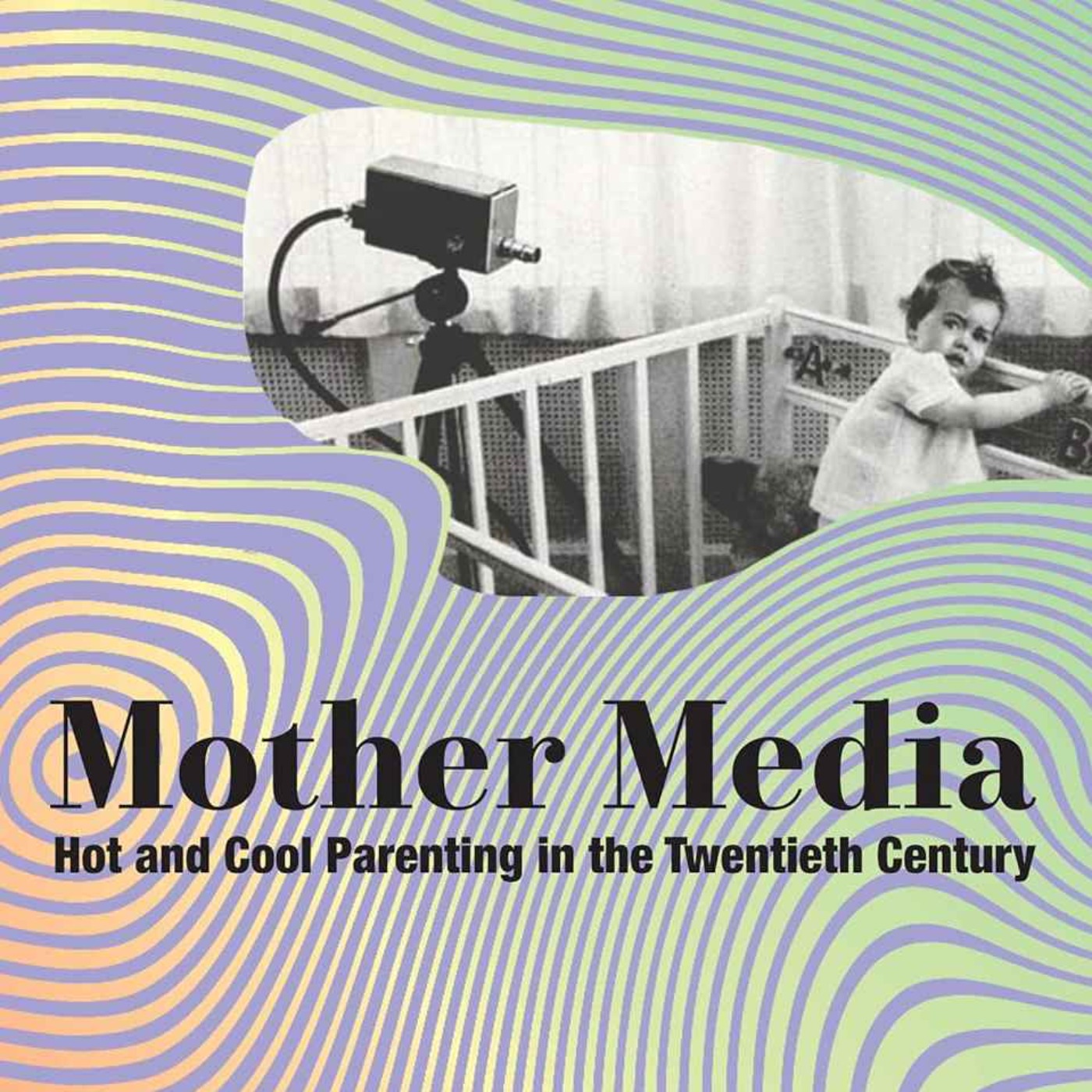
The complicated role of media in motherhood episode artwork

EPISODE · Nov 14, 2025 · 52 MIN

The complicated role of media in motherhood

from Berkeley Talks

In the early 20th century, prominent figures in psychology, psychiatry and pediatrics in the U.S. began to promote a new standard for mothers: that they should serve as a constant, unchanging and wholly nurturing presence in their children’s lives. It was the best way, they claimed, to raise healthy and successful children. This ideal marked a shift away from earlier traditions where caregiving was often distributed among extended family members, hired help and community. In her new book, Mother Media: Hot and Cool Parenting in the Twentieth Century, UC Berkeley associate professor Hannah Zeavin explores how the new ideal of constant mothering was advanced by the mind sciences during the rise of the nuclear family and became especially powerful for white, middle-class mothers.Yet this expectation was both unrealistic and deeply shaped by issues of race and class, says Zeavin, who spoke last month at a Berkeley Book Chats event hosted by the Townsend Center for the Humanities.As more mothers entered the workforce and social changes disrupted older forms of caregiving, media researchers began to explore whether technology could step in, imagining devices — first, baby monitors and later, TVs and tablets — as substitutes for, or supplements to, maternal care. In this Berkeley Talks episode, Zeavin discusses how these ideals and interventions — defining the “perfect mother,” substituting media for maternal presence and punishing deviations from the norm — continue to influence American family life today.Watch a video of the conversation, which was moderated by Ramsey McGlazer, associate professor in the Department of Comparative Literature.Listen to the episode and read the transcript on UC Berkeley News (news.berkeley.edu/podcasts/berkeley-talks).Music by HoliznaCC0.Screenshot of the Mother Media book cover. Hosted on Acast. See acast.com/privacy for more information.

In the early 20th century, prominent figures in psychology, psychiatry and pediatrics in the U.S. began to promote a new standard for mothers: that they should serve as a constant, unchanging and wholly nurturing presence in their children’s lives. It was the best way, they claimed, to raise healthy and successful children. This ideal marked a shift away from earlier traditions where caregiving was often distributed among extended family members, hired help and community. In her new book, Mother Media: Hot and Cool Parenting in the Twentieth Century, UC Berkeley associate professor Hannah Zeavin explores how the new ideal of constant mothering was advanced by the mind sciences during the rise of the nuclear family and became especially powerful for white, middle-class mothers.Yet this expectation was both unrealistic and deeply shaped by issues of race and class, says Zeavin, who spoke last month at a Berkeley Book Chats event hosted by the Townsend Center for the Humanities.As more mothers entered the workforce and social changes disrupted older forms of caregiving, media researchers began to explore whether technology could step in, imagining devices — first, baby monitors and later, TVs and tablets — as substitutes for, or supplements to, maternal care. In this Berkeley Talks episode, Zeavin discusses how these ideals and interventions — defining the “perfect mother,” substituting media for maternal presence and punishing deviations from the norm — continue to influence American family life today.Watch a video of the conversation, which was moderated by Ramsey McGlazer, associate professor in the Department of Comparative Literature.Listen to the episode and read the transcript on UC Berkeley News (news.berkeley.edu/podcasts/berkeley-talks).Music by HoliznaCC0.Screenshot of the Mother Media book cover. Hosted on Acast. See acast.com/privacy for more information.

NOW PLAYING

The complicated role of media in motherhood

0:00 52:42

No transcript for this episode yet

We transcribe on demand. Request one and we'll notify you when it's ready — usually under 10 minutes.

Carnivores Don't Get Sunburn - Carnivore Diet Talks Carnivores Don't Get Sunburn - Carnivore Diet Talks Welcome to “Carnivores Don’t Get Sunburn,” where we have fun and explore the carnivore diet and its transformative power. Join us as we uncover real stories from individuals who have thrived on this diet, defying convention and embracing optimal health. Plus, stay tuned for our upcoming documentary featuring diverse carnivores overcoming health challenges. Learn more at www.carnivoredietdocumentary.com.Excitingly, we’re working on an upcoming documentary where we’ll feature carnivores from various walks of life, conquering diverse health challenges. Join us on this journey and learn more at www.carnivoredietdocumentary.com.Join us in uncovering the power of the carnivore diet. Prepare to be inspired, informed, and empowered to embrace optimal health and well-being.Welcome to “Carnivores Don’t Get Sunburn: Unveiling Real Stories of the Carnivore Diet.” Stay tuned for our upcoming documentary. Discover how this lifestyle can transform lives. Learn more at www.carnivoredietdocumentary.com IT IS WHAT IT IS with SHALLZ - SHALLY ZOMORODI Shally Zomorodi What?  "It is what it is" with ShallZ – Shally ZomorodiWhen? WeeklyHow long? 35 minutesEvery week, Mother of 4, wife, morning TV news anchor and ultimate hostess, Shally Zomorodi talks about life - its up's and downs and how to stay on track in her weekly podcast, ‘It is what it is.’  Known for her high energy, infectious smile and ability to see the cup as half full Shally talks about all things in life and how to work through its challenges. From parenting, marriage, friendships, current events to how to smile when it just seems impossible ‘It is what it is’ is the perfect podcast to help inspire you to dance through the rain. Tracking Nuclear Weapons Programs Center for Strategic and International Studies The CSIS Proliferation Prevention Program talks to experts about transparency and nuclear weapons. Cover Stories with Chess Life US Chess Chess Life Editor John Hartmann talks to the authors of each month's Chess Life cover story.

Frequently Asked Questions

How long is this episode of Berkeley Talks?

This episode is 52 minutes long.

When was this Berkeley Talks episode published?

This episode was published on November 14, 2025.

What is this episode about?

In the early 20th century, prominent figures in psychology, psychiatry and pediatrics in the U.S. began to promote a new standard for mothers: that they should serve as a constant, unchanging and wholly nurturing presence in their children’s lives....

Can I download this Berkeley Talks episode?

Yes, you can download this episode by clicking the download button on the episode player, or subscribe to the podcast in your preferred podcast app for automatic downloads.
URL copied to clipboard!