
EPISODE · Mar 3, 2026 · 29 MIN
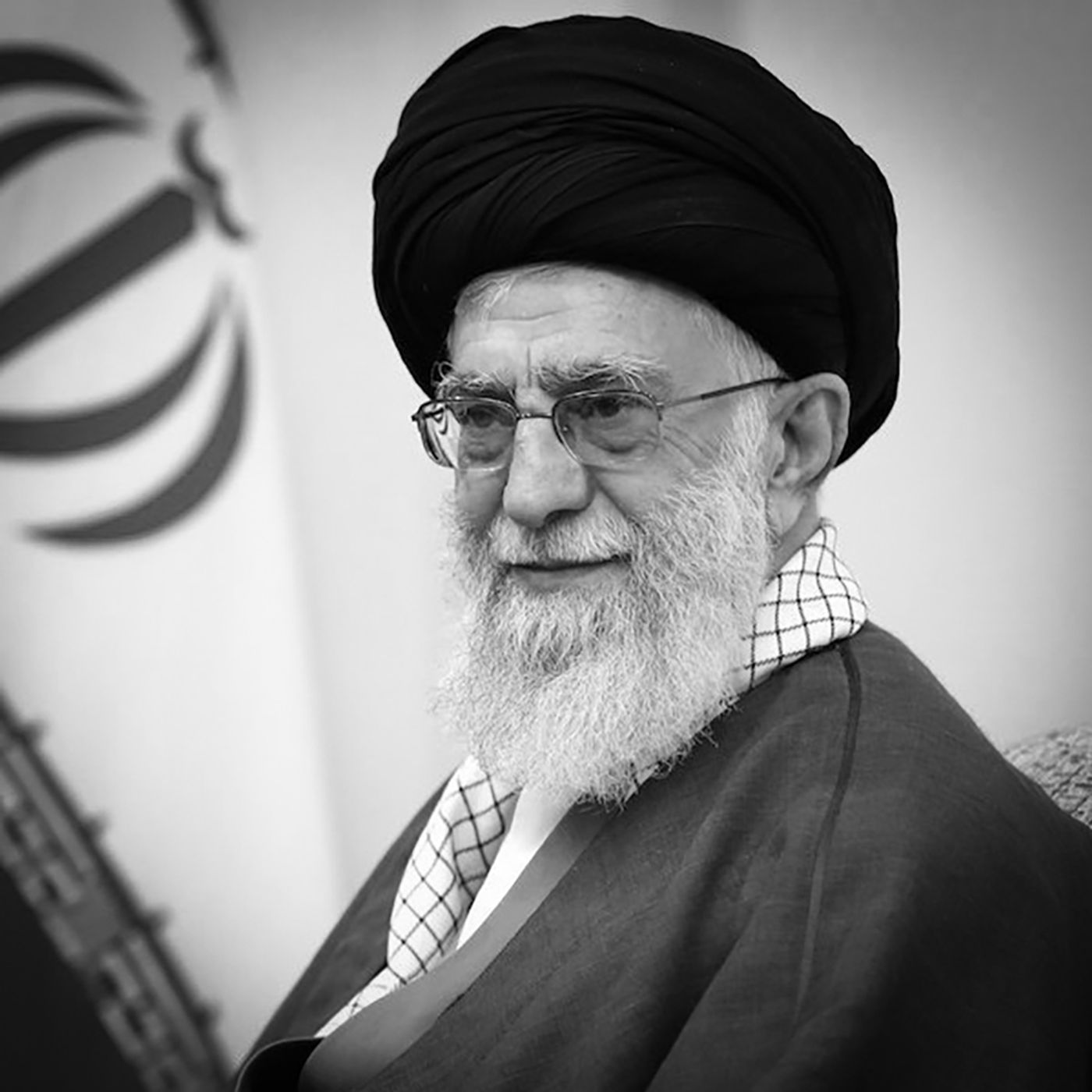
The Death of Khamenei and the Future of Iran
from The World Between Us · host Norse Studio
On February 28, 2026, a major shift occurred in Middle Eastern geopolitics following the death of Ali Khamenei, the Supreme Leader of Iran. He reportedly died during a second wave of Israeli airstrikes on Tehran. This event signifies the end of an era for the political order established after the 1979 revolution. Along with Khamenei, several other high-ranking officials were killed, including his close advisor Ali Shamkhani, the commander of the Islamic Revolutionary Guard Corps Mohammad Pakpur, and Mohammad Shirazi, a key liaison between the armed forces and the Supreme Leader.The strikes occurred during a period of intense escalation. In June 2025, a previous conflict saw the United States join Israeli operations, targeting Iranian nuclear facilities with specialized bunker-buster bombs in an operation dubbed "Midnight Hammer." Despite the destruction of much of its nuclear infrastructure, Iran remained defiant. Nuclear negotiations in Muscat and Geneva, which had resumed in 2026, ultimately failed to prevent further violence. The United States introduced new "red lines," demanding that Iran not only limit its nuclear program but also abandon its missile program and cease cooperation with regional proxy groups. Tehran viewed these demands as a strategic trap, believing the American position was heavily influenced by Israeli security priorities.Iran’s response to the attacks has been defined by a strategy of asymmetric warfare. Recognizing its technological and conventional military inferiority, Tehran has focused on making any conflict as long, expensive, and exhausting as possible for its enemies. This "David vs. Goliath" approach involves using large quantities of inexpensive, mass-produced weapons, such as swarms of low-cost drones and agile motorboats, to overwhelm sophisticated defense systems like the Iron Dome and threaten naval assets. By prioritizing quantity over technological parity, Iran aims to deplete the resources and political will of its adversaries.The death of such a central figure as Khamenei raises critical questions about the stability of the Islamic Republic. While the loss of its top leadership is a significant blow, the regime likely prepared for such a transition, given Khamenei's age and health. It remains uncertain whether these strikes will lead to the collapse of the government or if the military will maintain control through a prepared secondary leadership.For the United States, the escalation presents a complex political dilemma. The prospect of a prolonged conflict conflicts with domestic promises to avoid "forever wars" that drain American resources and lives. As of early March 2026, the military operation continues, and the region remains in a state of profound uncertainty regarding whether this marks the beginning of a total war or a violent reorganization of regional power.Become a supporter of this podcast: https://www.spreaker.com/podcast/the-world-between-us--6886561/support.
Embed this episode
NOW PLAYING
The Death of Khamenei and the Future of Iran
No transcript for this episode yet
Similar Episodes
No similar episodes found.
Similar Podcasts
No similar podcasts found.