
EPISODE · May 26, 2020 · 41 MIN
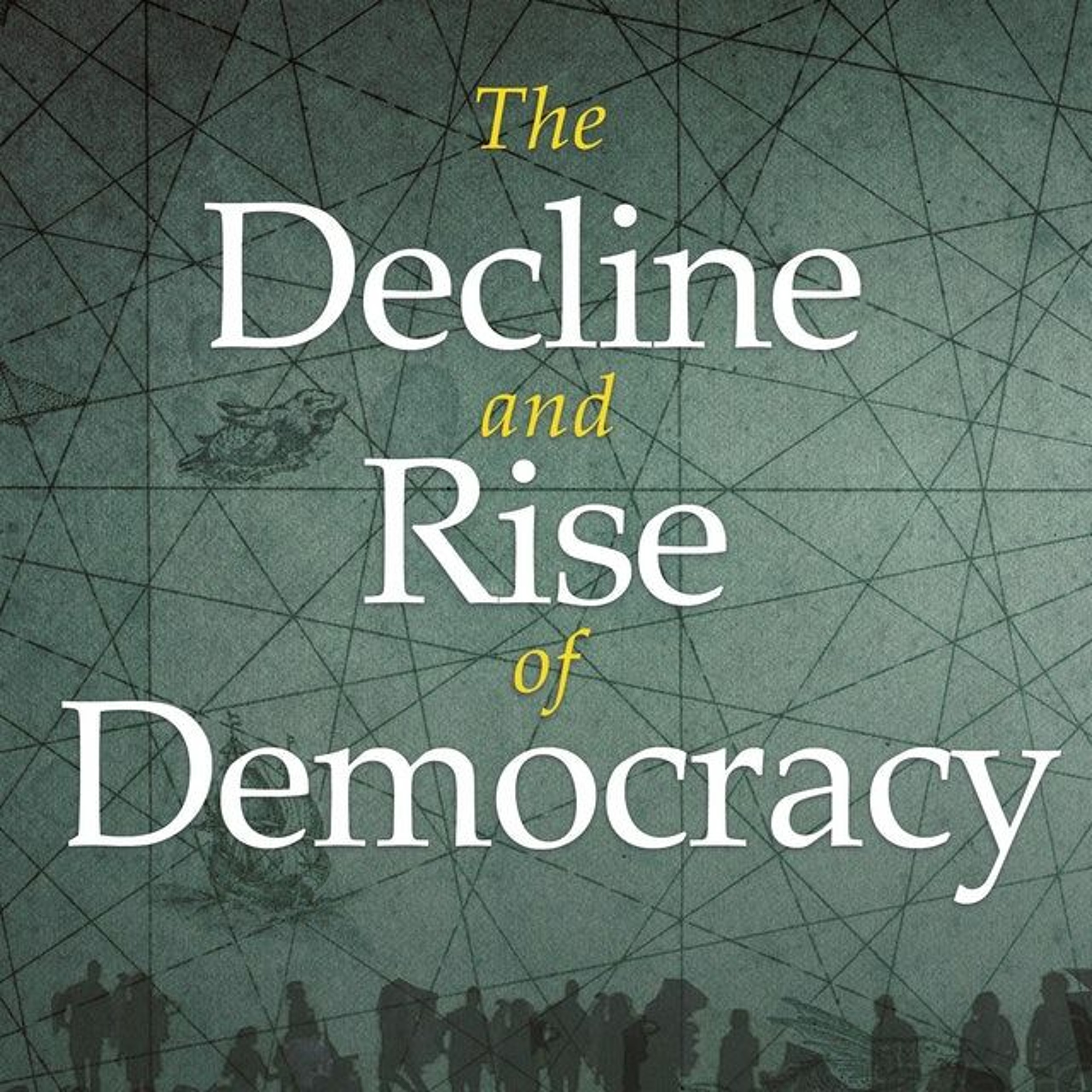
"The Decline and Rise of Democracy": Professor David Stasavage
from ROCKING OUR PRIORS · host Dr Alice Evans
Crops, technology, & exit options influenced whether societies became democratic or authoritarian - argues Professor David Stasavage. Rulers wanted to tax their people at the right level: extract the maximum revenue without making the goose hiss! Their strategy would depend on crop yields and technology. If caloric output is easy to predict (owing to stable temperature, irrigation, and other technology), rulers could easily calculate the agrarian surplus. But if caloric output varies each year (owing to changing weather patterns and primitive technology), prediction is difficult. Leaders could overcome these informational constraints either by surveying with bureaucrats or by soliciting council governance. Bureaucracies and councils performed the same role: providing information on crop yields. If rulers lacked bureaucratic technology, they would solicit council governance, to ascertain how much to tax. This gave rise to large-scale representative governance - argues Stasavage. In this podcast, we discuss whether this theory explains the dearth of democracy in China and MENA today, and the rise of the Communal Movement in Europe. It's a great read, though I remain sceptical.. There remains a further question: why were European but not Chinese or MENA societies able to collectively organise, and secure democratising reforms? Curious? Buy the book: https://press.princeton.edu/books/hardcover/9780691177465/the-decline-and-rise-of-democracy Further readings: Greif & Tabellini: http://piketty.pse.ens.fr/files/GreifTabellini.pdf Joe Henrich: https://weirdpeople.fas.harvard.edu/ Jonathan Schulz & others: https://science.sciencemag.org/content/366/6466/eaau5141/tab-article-info Frank Fukuyama: https://www.amazon.co.uk/Origins-Political-Order-Prehuman-Revolution/dp/1846682576 Klaus Mühlhahn: https://www.hup.harvard.edu/catalog.php?isbn=9780674737358
Embed this episode
NOW PLAYING
"The Decline and Rise of Democracy": Professor David Stasavage
No transcript for this episode yet
Similar Episodes
No similar episodes found.
Similar Podcasts
No similar podcasts found.