
EPISODE · Apr 26, 2026 · 29 MIN
The Design Theory of Rhythm Programming
from Monumental Movement Podcast · host monumentalmovement
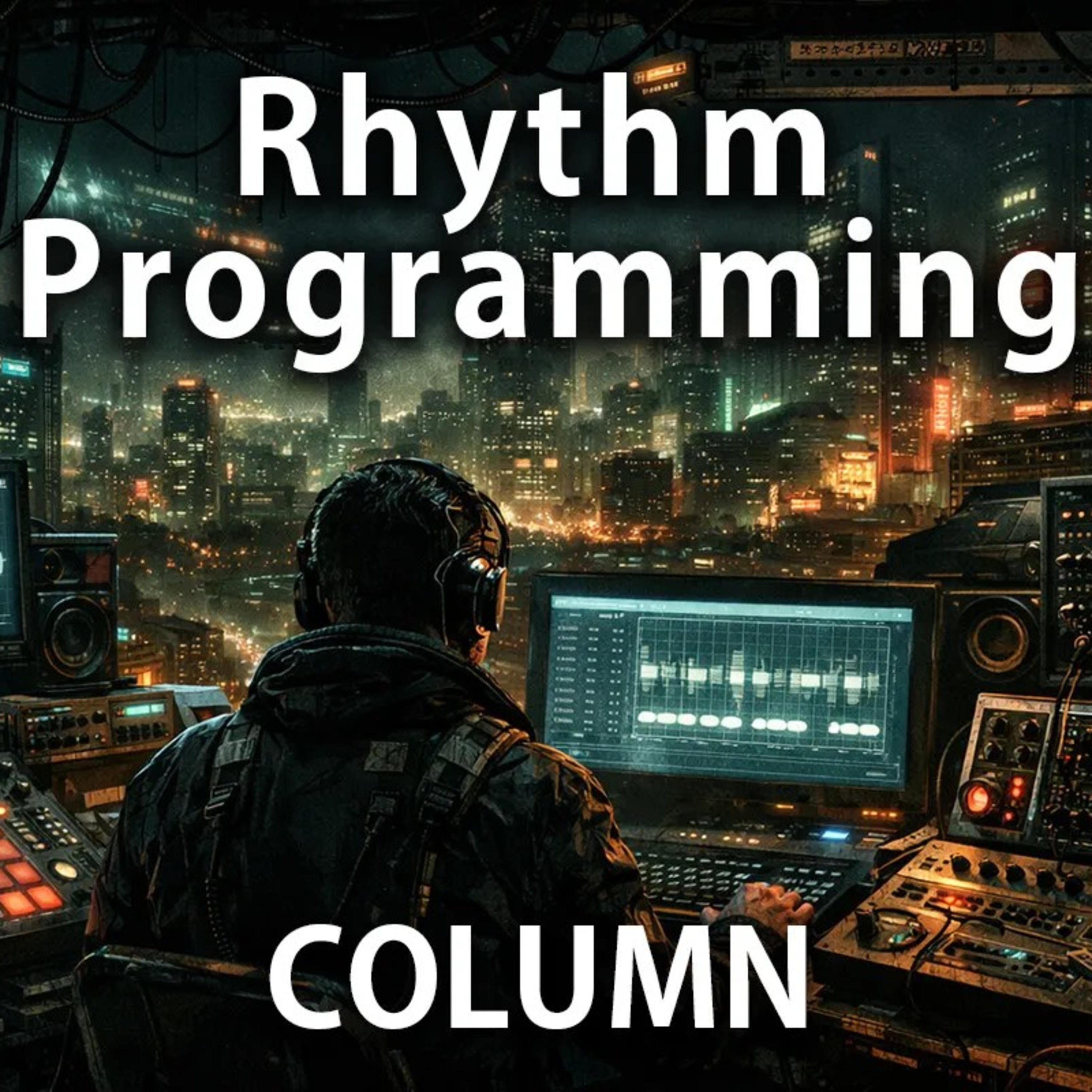
This episode explores the design theory of rhythm programming—an analysis of how beats are constructed, structured, and perceived across electronic and contemporary music. From early drum machines to modern digital production, rhythm programming emerges as both technical discipline and aesthetic philosophy.We trace the evolution of programmable rhythm through machines like the Roland TR-808 and Roland TR-909, whose step sequencing and distinctive timbres shaped hip-hop, house, and techno. Later, sampler-based systems such as the Akai MPC introduced groove quantization, swing, and humanized timing—bridging mechanical precision with expressive feel.Rather than fixed grids, rhythm programming operates through micro-variation: timing shifts, velocity changes, and layered textures that create movement within repetition. Kick, snare, and hi-hat placement become architectural decisions, forming tension, release, and forward motion. Syncopation, polyrhythm, and negative space redefine groove beyond strict metronomic logic.This episode analyzes rhythm as design system—where pattern, variation, and perception intersect. Through history, technology, and aesthetic theory, we explore how programmed beats evolve from rigid sequences into dynamic, living structures that shape modern sonic identity.【Related Column】Design theory of rhythm programminghttps://monumental-movement.jp/en/column-rhythm-programming/
Embed this episode
NOW PLAYING
The Design Theory of Rhythm Programming
No transcript for this episode yet
Similar Episodes
No similar episodes found.
Similar Podcasts
No similar podcasts found.