NPR. Dear Waylon, this is your co-host and friend, Adrian Ma. And friend? That's right. It has been nigh a fortnight since we last podcast, and I bring you news from the economic front lines. Today, we'll be joined by Planet Money co-host Nick Fountain. Hey, hey. To it, together, we shall perform the episode known as Indicators of the Week. We, your pen pals, are here to bring you the important numbers from the news and tell you what's happening in the economy this week. Yeah, I'll be talking about SNAP, the federal food stamp program. I'll be talking about two of our favorite Ann slash Annas, Ann Hathaway and Anna Wintour.
And I will talk about the epic economic term known as demand destruction. Ooh. After ye olde break. This week on the NPR Politics Podcast, the midterm elections are wrapping up and millions of people have already voted. We're taking one final check of the electoral polls with a new NPR PBS News Marist poll. It shows Democrats still poised to make gains, but also with some warning signs for just how many. We'll explain on the NPR Politics Podcast. The countdown to the 2026 midterm elections is here. Voters will determine who controls the Senate, the House, and countless local offices.
All the election coverage you need to be found on the NPR app, from big picture political headlines to local stories that are curated just for you. Plus, live coverage as results come in on election night. Download the NPR app at npr.org slash 2026 election. This message comes from NPR sponsor, the NPR Wine Club, a place to find boutique wines from around the world and bottles inspired by popular NPR shows, as well as to explore the producers, regions, and exciting stories that bring each selection to life. Whether you buy a few bottles or join the club, all purchases support NPR programming and help fund quality reporting. You can learn more at nprwineclub.org. Must be 21 or older to purchase.
Indicators of the week, Adrian Ma, you're up first. My indicator of the week is 20,000. As in, the German conglomerate Lufthansa Group is canceling 20,000 flights over the next six months because of surging fuel prices. Do they have any flights left? Hopefully you're not...
planning too many flights to Berlin soon. But they're not the only ones. A lot of other airlines have responded to the surge in fuel prices by cutting service. You know, airlines like Australia's Qantas, Cafe Pacific, even Delta Airlines is trimming its schedule. Adrian, what the people want to know, and by that I mean my family, which is flying to Europe this summer, is is Iberia canceling any flights yet? Is this in fact what the people want to know? Yes, this is what the people want to know. I'll get right on that. As listeners know, this is, of course, because of the U.S. and Israel war with Iran. Iran has not only closed off the Strait of Hormuz to most oil shipping.
Also, what's happening is a number of oil refineries in the Gulf have been damaged in all the fighting. And so, as a result, prices for jet fuel have surged and are currently up about 70% compared to before the war. Which explains higher gas prices at home and also apparently crazy costs for airlines. All of this chaos has got some energy analysts uttering an ominous sounding economic term, demand destruction. Demand destruction. Yeah, you have to read it in that voice. Yep. What is that? And sounds a little...
Scary, but it's an economic term that basically means when the price of something gets too high for consumers to stomach and they change their consumption accordingly. So fuel suddenly becomes way more expensive. Airlines cut flights. Drivers drive less. Some may even be thinking, for my next car, I think I'm going to go electric. And if this becomes a long-term trend, that is basically the destruction of demand for oil.
I feel like in the long term, you could see some benefits, right, if it results in people switching over to more sustainable kinds of fuel. But then in the short term, I'm thinking, OK, Lufthansa cancels all these flights. And then, like, what if they have to lay people off because they're not flying as much? And then what happens to all the people who work at the airports if there's, like, reduced traffic at the airports? It just makes me spiral. So I think you found a small silver lining.
on a very big cloud. Okay, well, that is sobering. Nick Fountain, you're up next. What do you got? Not sure it's going to get less sad here. Okay, okay. My indicator is two and a half million. That's how many fewer Americans were participating in the federal food stamp program, SNAP, as measured between July and December of last year. That is a lot of people. 2.5 million, wow. But what does that mean? I'm guessing it doesn't mean that two and a half million less people are in need of food assistance. No, I don't think that's what it means. The unemployment rate stayed pretty steady in that period. Food inflation continued, so it's not like...
It got cheaper to put food on the table. The big thing that happened was that in July of last year, the big tax cut bill, the so-called One Big Beautiful Bill Act, was passed and signed into law. And I remember people were warning that it would result in big cuts to SNAP because they were going to impose work requirements and some other things that would make it harder for people to get access to the food assistance, right? Yeah, that's absolutely right. The law cut SNAP in a few ways. As you mentioned, it cut eligibility for some immigrants, veterans, people experiencing homelessness, people with kids, people who live in economically depressed areas. It also cut funding for states to administer the program. And it encouraged states to make it more onerous for people to sign up and stay on the rolls of food stamps. So a lot of different ways. You know all of this partly because you reported a Planet Money episode on it. That's right. Thank you for remembering that, Adrian. And to be clear, when lawmakers...
Passed this bill. They knew these cuts were going to lead to way less people being on the rolls of food stamps, right? The Congressional Budget Office told them that much. But the numbers that are rolling in are still pretty striking, especially because it's early days. The law is less than a year old and participation is down in the vast majority of states. And in some states, the drop is really rather dramatic. For instance, Arizona saw a 47% decrease in participation in the seven months since the bill's adoption. Jeez. 47%. Yeah, that's 400,000 people. Oh my gosh. Majority of SNAP recipients are kids and those over 60. So yeah, this one is also pretty grim. Waylon, you're going to have to...
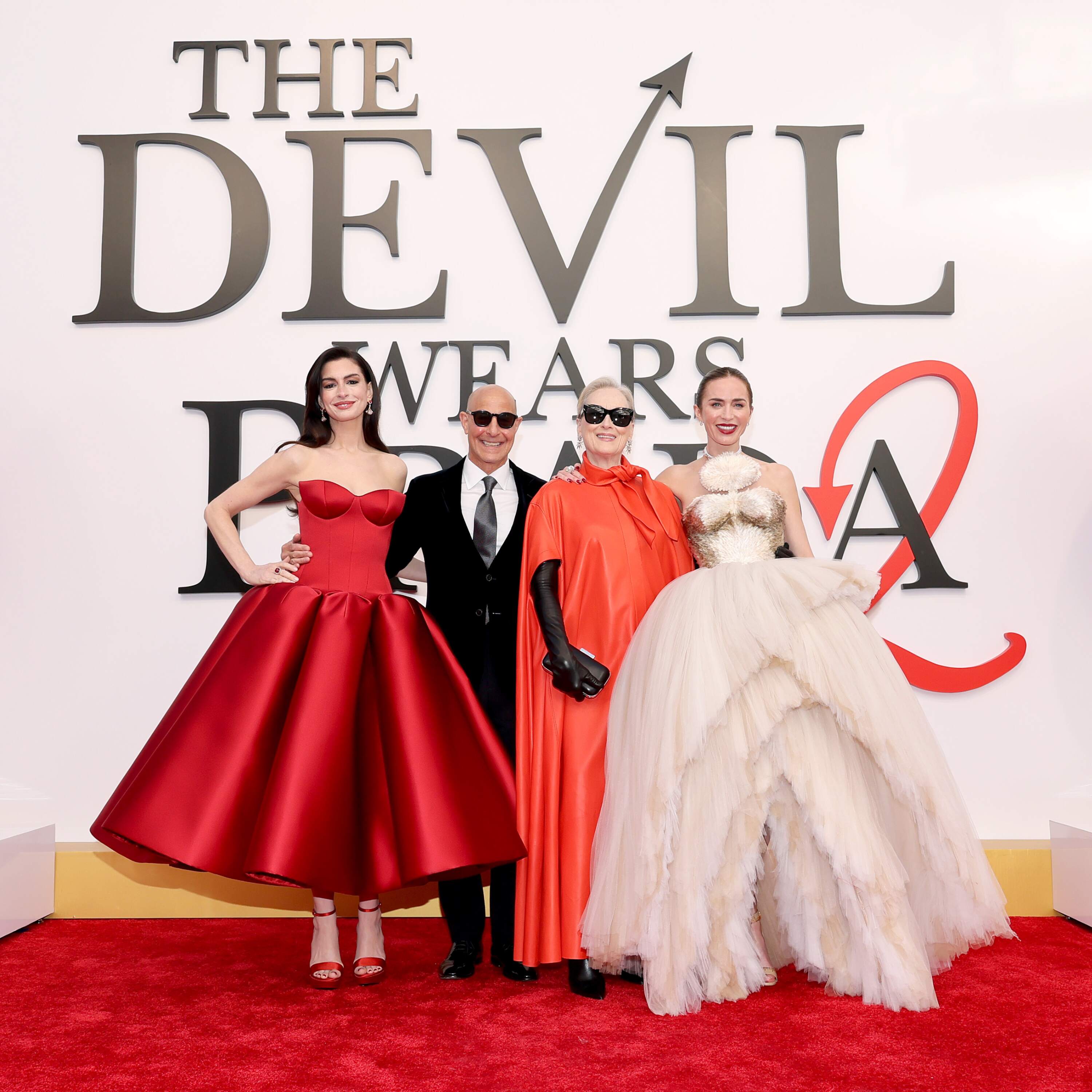
Pull us out for the depths. All right. Let's go the pop culture route. My indicator is 79%. That is how much the prices of the status symbols from the movie The Devil Wears Prada have gone up since the film came out in 2006. The sequel comes out a week from today. And credit for this indicator goes to the Cut website. It published a super fun article this week about how much these iconic accessories cost in 2006 versus today. And then I did some additional math to come up with that headline number of 79%. So can you gents think of any memorable items from the movie? Have you seen the movie? Of course. I have not. I'm going to go with...
It's a great movie. You should see it, Adrienne. I'm going to go with Cerulean Blue Sweater. Oh, the Cerulean Blue Sweater was actually not included in this basket of goods that the cut put together, but it does have Anne Hathaway's thigh-high Chanel boots, which you might remember. Iconic, sure. They cost $1,500 then, according to the cut. Today, a vintage pair of these same boots goes for over $4,000. It's insane. And I imagine that everything has gotten way more expensive. Is that the headline? Actually, no. I mean, the headline number is 79%, but some things got cheaper. Like in the movie, Anne Hathaway gets this blue leather Marc Jacobs purse that she gives to a friend. That purse cost almost...
$2,000 back in 2006. Today, a vintage version is just $150. All right, this is delightful. We are all excited for this movie to come out, but what is the economics here, Waylon? That's what the people want to know. Well, all right, so my take on this is that I think that this shows that in the world of high fashion, the status of a brand counts for a lot, and the value of some luxury goods holds up better than others. So, for instance, that Marc Jacobs bag just fell through the floor, right? But then if you look at a different handbag, the Prada tote that Meryl Streep's character carries in the movie, it cost around $1,500 in 2006. The vintage version today, it's almost $11,000. Wow.
I know. This almost feels like a silly question, but have people's wages kept up with these high fashion prices? Yes. So in the movie, Anne Hathaway plays an assistant to Meryl Streep, who's based on Vogue editor Anna Wintour. According to The Cut, Anna Wintour's assistant made $32,500 a year. Today, that same job pays $60,000 a year. That's actually an 85% increase. So it outpaces the 79% increase in the basket of iconic goods from the movie. So wages, according to this very small sample, may be increasing slightly faster than this other small sample of luxury items.
So there's our bit of good news, I guess, to end the day. This episode was produced by the Anne Hathaway of podcasts, Angel Carreras, and the Anna Wintour of podcasts, Cooper Katz McKim. The Stanley Tucci of podcasts. And engineered by Kweci Lee. It was fact-checked by Sierra Juarez. The Emily Blunt of podcasts. Kate Kincannon is our editor. What would she be? The Meryl Streep of podcasts. And the Indicator is a production of NPR.
The 2026 midterm elections are upon us. On November 3rd, voters will determine what the next two years of their local leadership and the balance of national government will look like. Listen to the NPR News Now podcast for all the updates you need ahead of and after November 3rd from NPR News. This midterm election season, the NPR app is your single stop for clear, independent coverage. Stay on top of national and local storylines with news, stories, podcasts and political analysis on demand. Download the NPR app and check out the elections 2026 tab today.