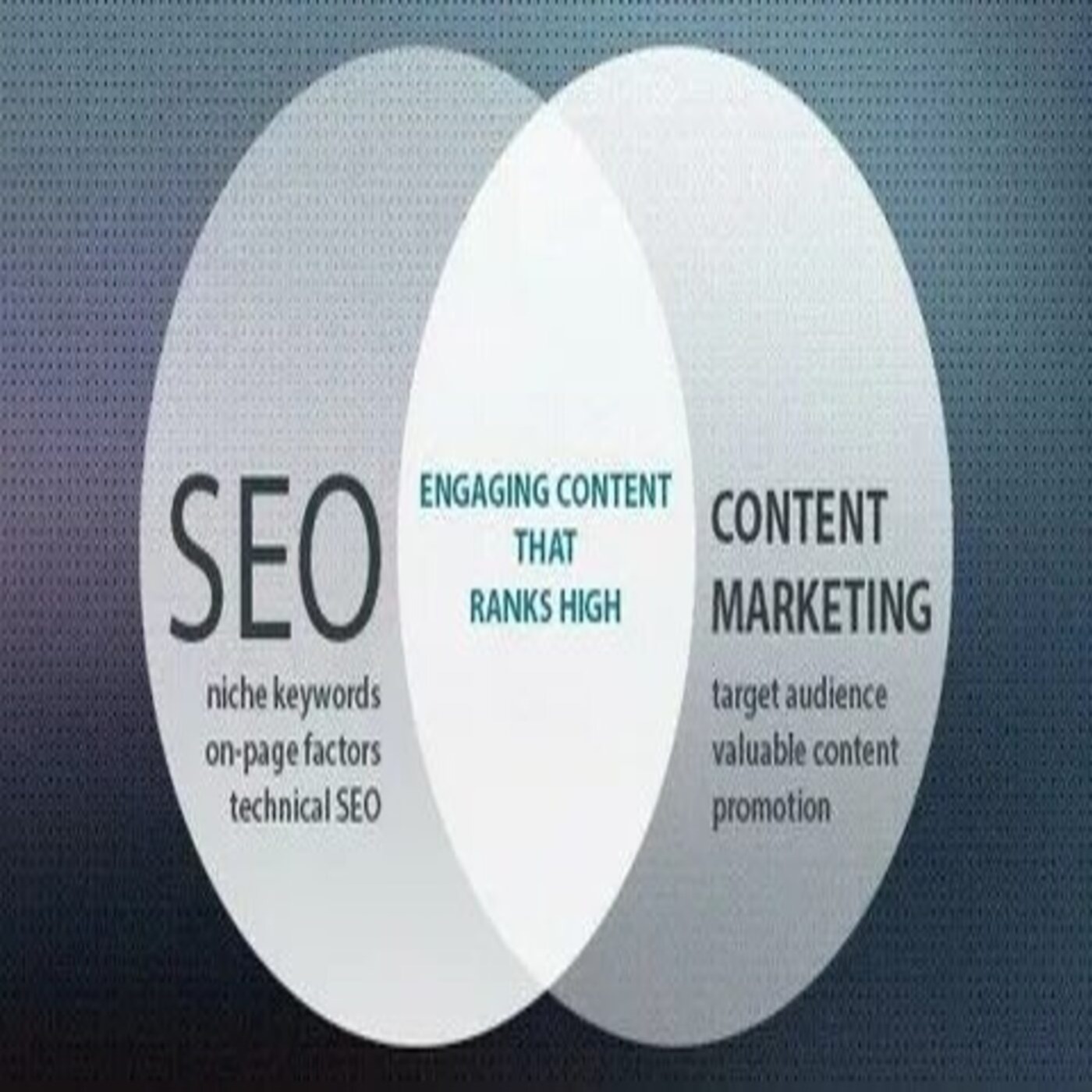
The Difference Between Content Marketing and SEO Content
from PostSphere Hosted by Post Sphere
Content marketing and SEO content are related but not identical, and treating them as interchangeable produces work that doesn't fully serve either purpose. Understanding where they overlap and where they diverge helps businesses allocate content investment more intentionally. What They Share Both content marketing and SEO content benefit from high quality, clear writing, accurate information, and genuine usefulness to the reader. Both are more effective when they're built around a specific audience with specific needs. Both compound over time — the value of a good piece of content marketing and a high-ranking SEO article both accumulate as they're read, shared, and linked to. Where They Diverge Content marketing is primarily audience-first. It's designed to build brand authority, nurture relationships, and move prospects through a decision-making process. The distribution channel might be email, social media, or a content hub — search traffic is often a secondary benefit rather than the primary mechanism. SEO content is primarily search-intent-first. It's designed around specific queries that real users are typing into search engines, with the goal of ranking for those queries and capturing that traffic. An seo content service that produces SEO content is optimizing for a specific distribution channel — organic search — with the audience need as a constraint rather than the starting point. When to Prioritize Each The Content Marketing Institute's annual research consistently shows that businesses with the most effective content programs integrate both approaches — producing SEO content that captures search demand and content marketing that builds authority and nurtures the audience that organic content attracts. For businesses with limited content budgets, SEO content often provides more measurable ROI in the short to medium term because it produces traffic that can be tracked directly. Content marketing produces harder-to-measure benefits that compound over longer timeframes. Integrating Both Approaches The most efficient approach is to produce SEO content that's also genuinely good content marketing — articles that rank for target queries and that readers actually find valuable, share, and link to. That integration is harder to execute than either approach in isolation, but the compound benefits of content that performs on both dimensions are significantly higher.
Embed this episode
No transcript yet.