
EPISODE · Oct 21, 2021 · 1 MIN
The Dobhar-chú
from Racontour Archive - 2020 onwards · host Racontour and friends
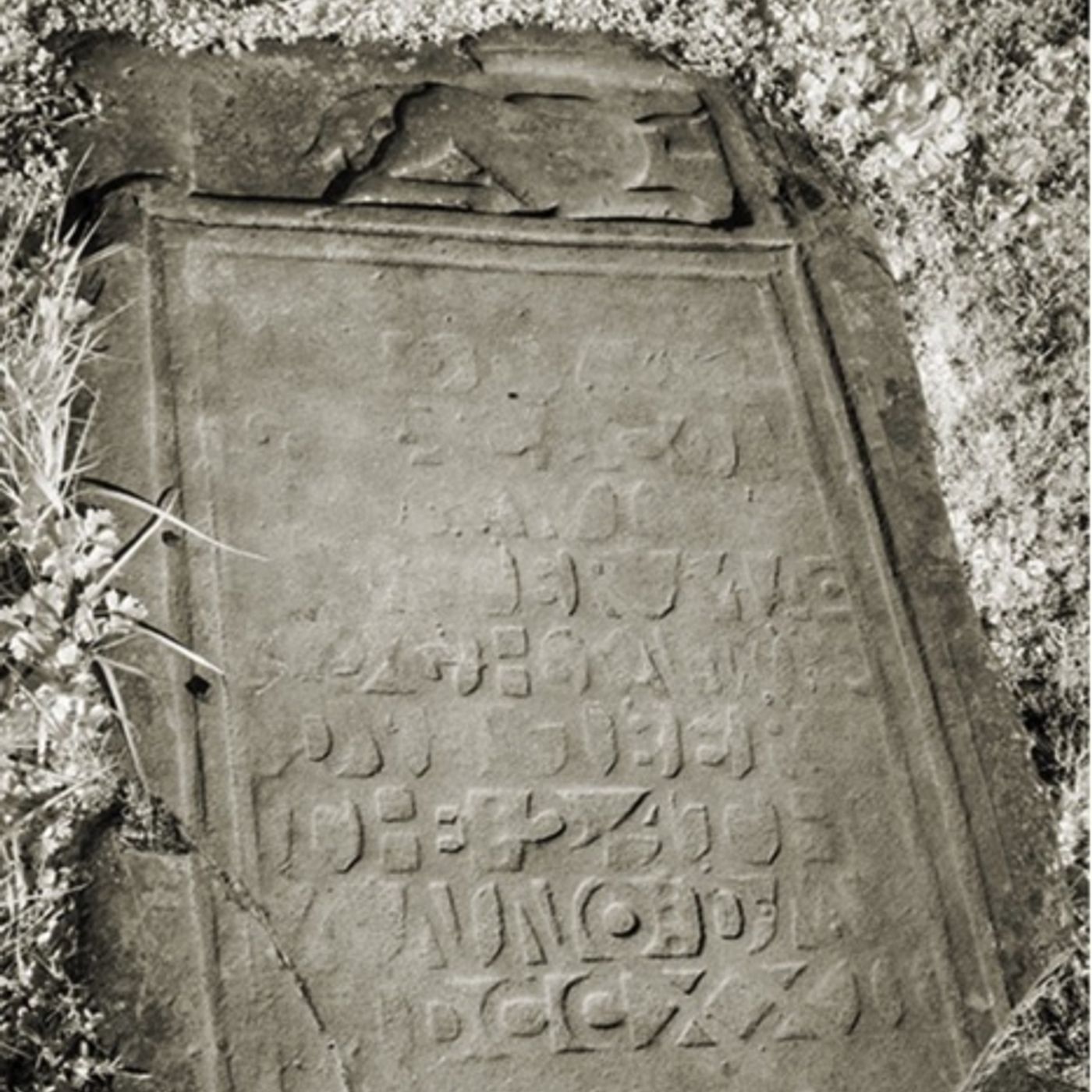
Speakers: Patsy McNulty and Shane GallagherIn the audio piece, Patsy McNulty tells us about the Dubh Dobhar-chú as he understood it to be in Donegal. Shane Gallagher on the Donegal/Leitrim border is talking about the same creature, but with a different phonetical emphasis. Patsy includes the word ‘dubh’ meaning black in Irish adding to its sinister presence.The Dobhar-chú meaning 'water dog' or 'water hound', or King Otter, is a creature of Irish folklore. It resembles both a dog and an otter, though it sometimes is described as half dog, half fish. It lives in water and has fur with protective properties.DescriptionPhysical description of the resembles an otter but said to be about five times as large (perhaps 10–15 feet), with white pelt, black ear tips and a black cross on its back. EtymologyDobharchú is an obsolete Irish word for 'otter'. The modern Irish word for 'water' is uisce although dobhar is also (rarely) used. Dobhar is a much older form and cognates are found in other Celtic languages (e.g. Welsh dŵr or dwfr). Cú is 'hound' in Irish (see for example Cúchulainn, 'Culainn's hound').The Dobhar-chú is also known as the dobarcu, and anglicised as doyarchu, dhuragoo, dorraghow or anchu.HeadstoneA headstone, found in Conwall cemetery in Glenade, County Leitrim, depicts the Dobhar-chú and is related to a tale of an attack on a local woman by the creature. The stone is claimed to be the headstone of a grave of a woman killed by the Dobhar-chú in the 17th century.The monument is a recumbent flag of sandstone about 4 ft. 6ins. by 1 ft. 10 ins. It shows a recumbent animal having body and legs like those of a dog with the characteristic depth of rib and strength of thigh. The tail, long and curved, shows a definite tuft. The rear of the haunch, and still more the tail, are in exceptionally low relief, apparently due to the loss of a thin flake from the face of the slab. So far the description is canine. The lettering, and carving are in relief. IncidentHer name was supposedly Grace McGloighlin (although Connolly seems to be the accepted surname). Her husband supposedly heard her scream as she was washing clothes down at Glenade Lough and came to her aid. When he got there she was already dead, with the Dobhar-chú upon her bloody and mutilated body. The man killed the Dobhar-chú, stabbing it in the heart. As it died, it made a whistling noise, and its mate arose from the lough. Its mate chased the man but, after a long and bloody battle, he killed it as well.Source: Wikipedia https://en.wikipedia.org/wiki/Dobhar-ch%C3%BA largely taken from The Dobhar-Chú Tombstones of Glenade, Co. Leitrim (Cemetries of Congbháil and Cill-Rúisc) by Patrick TohallThe Journal of the Royal Society of Antiquaries of Ireland Vol. 78, No. 2 (Dec., 1948), pp. 127-129 (4 pages)Published By: Royal Society of Antiquaries of IrelandIn Tony O'Neill's photo, on Grace Connolly’s worn grave slab is a carving of a hound like creature with its head twisted back and a hand thrusting a dagger into the neck of the Dobhar-chú.Source: Tony O’Neill https://www.tonyoneill.org/tag/dobhar-chu/
Embed this episode
NOW PLAYING
The Dobhar-chú
No transcript for this episode yet
Similar Episodes
No similar episodes found.
Similar Podcasts
No similar podcasts found.