
EPISODE · Aug 4, 2026 · 3 MIN
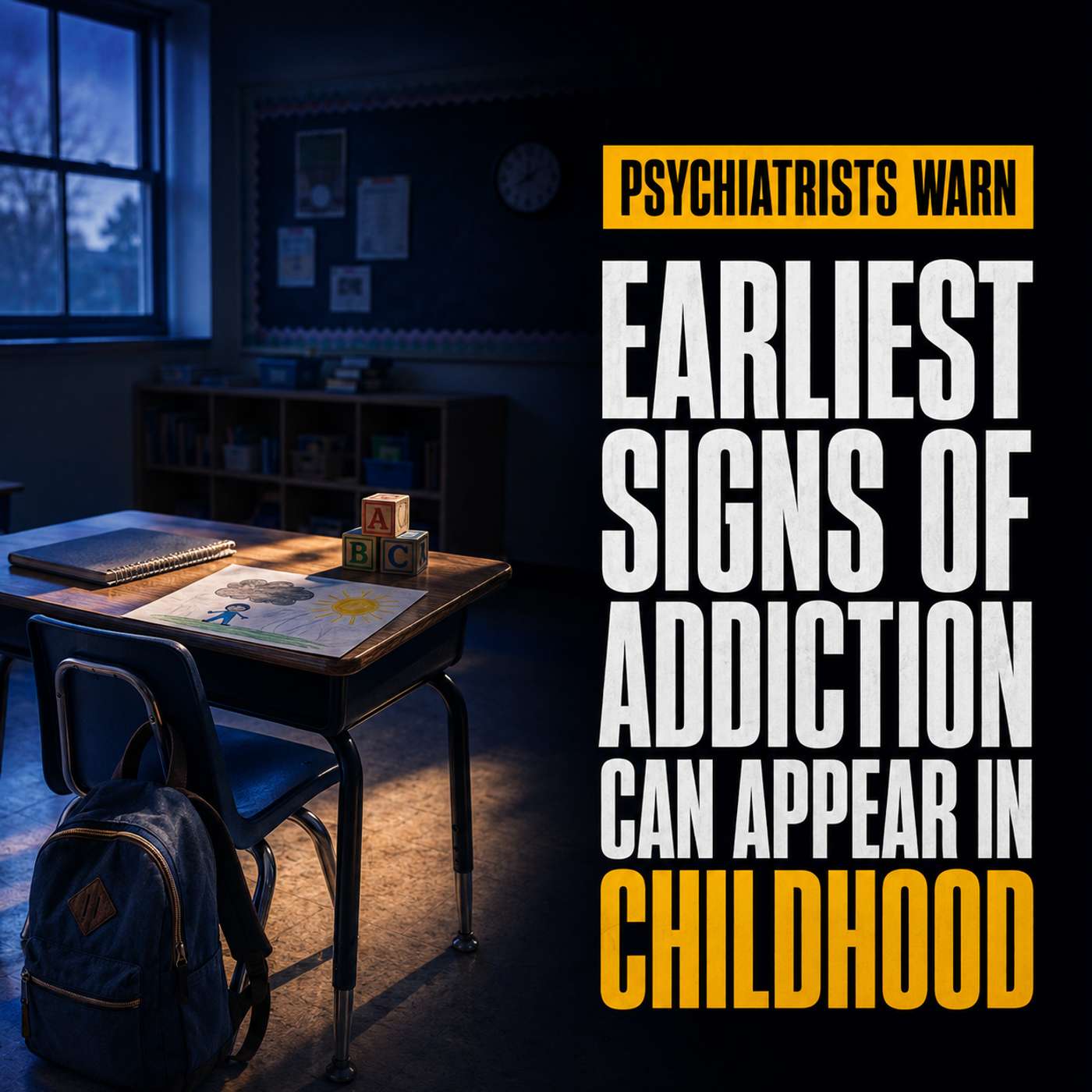
The Earliest Signs of Addiction Can Appear in Childhood, Psychiatrists Warn
from Recovery News · host Recovered Life
When public health campaigns and family conversations address the dangers of addiction, the intervention window is almost exclusively focused on the teenage years or young adulthood. We wait until adolescence—when exposure to alcohol, drugs, or compulsive digital habits becomes common—to start watching for warning signs. But according to an eye-opening report published by Newsweek, leading child psychiatrists are urging us to look much earlier. Medical experts warn that the true foundational markers of addiction vulnerability don't start when a person first tries a substance; they often manifest during early childhood in subtle behavioral patterns, emotional regulation struggles, and neurobiological coping styles.Psychiatrists point out that while children obviously aren't abusing drugs or alcohol, the underlying neurological vulnerabilities that make a person susceptible to addiction are frequently visible in early development. Children who exhibit extreme novelty-seeking behaviors, severe difficulty managing frustration, intense impulsivity, or persistent emotional dysregulation often process rewards differently in their developing brains. When a child lacks the innate internal tools or co-regulation support to navigate overwhelming feelings of anxiety, boredom, or stress, they naturally seek out intense external stimuli to soothe their nervous system. If left unaddressed, this behavioral loop establishes a neurological blueprint that makes them highly vulnerable to turning to substances or compulsive habits later in life.The report also emphasizes the profound impact of Adverse Childhood Experiences and chronic developmental stress on the brain's reward pathways. When children grow up in unpredictable or high-stress environments without stable emotional buffering, their brains adapt to survive in a constant state of hyper-vigilance. This alters dopamine signaling and impairs executive functioning in the prefrontal cortex—the exact region responsible for impulse control and decision-making. Recognizing these early risk factors transforms our entire approach to prevention. Rather than waiting to treat addiction after a crisis takes hold, parents, educators, and pediatricians can step in during early childhood to actively teach emotional regulation, build resilience, and provide supportive environments.Ultimately, Newsweek's psychiatric feature delivers a message of profound hope and proactive care. Identifying early childhood risk factors is not about labeling or stigmatizing a child; it is about equipping families and communities with the insights needed to foster true psychological safety. By treating early behavioral challenges with compassion, emotional coaching, and therapeutic support, we can help children build strong self-regulation skills, protecting their future mental health long before addiction ever has a chance to take root. Join the Recovered Life Community here!
Embed this episode
Ready to play
The Earliest Signs of Addiction Can Appear in Childhood, Psychiatrists Warn
No transcript for this episode yet
Similar Episodes
No similar episodes found.
Similar Podcasts
No similar podcasts found.