
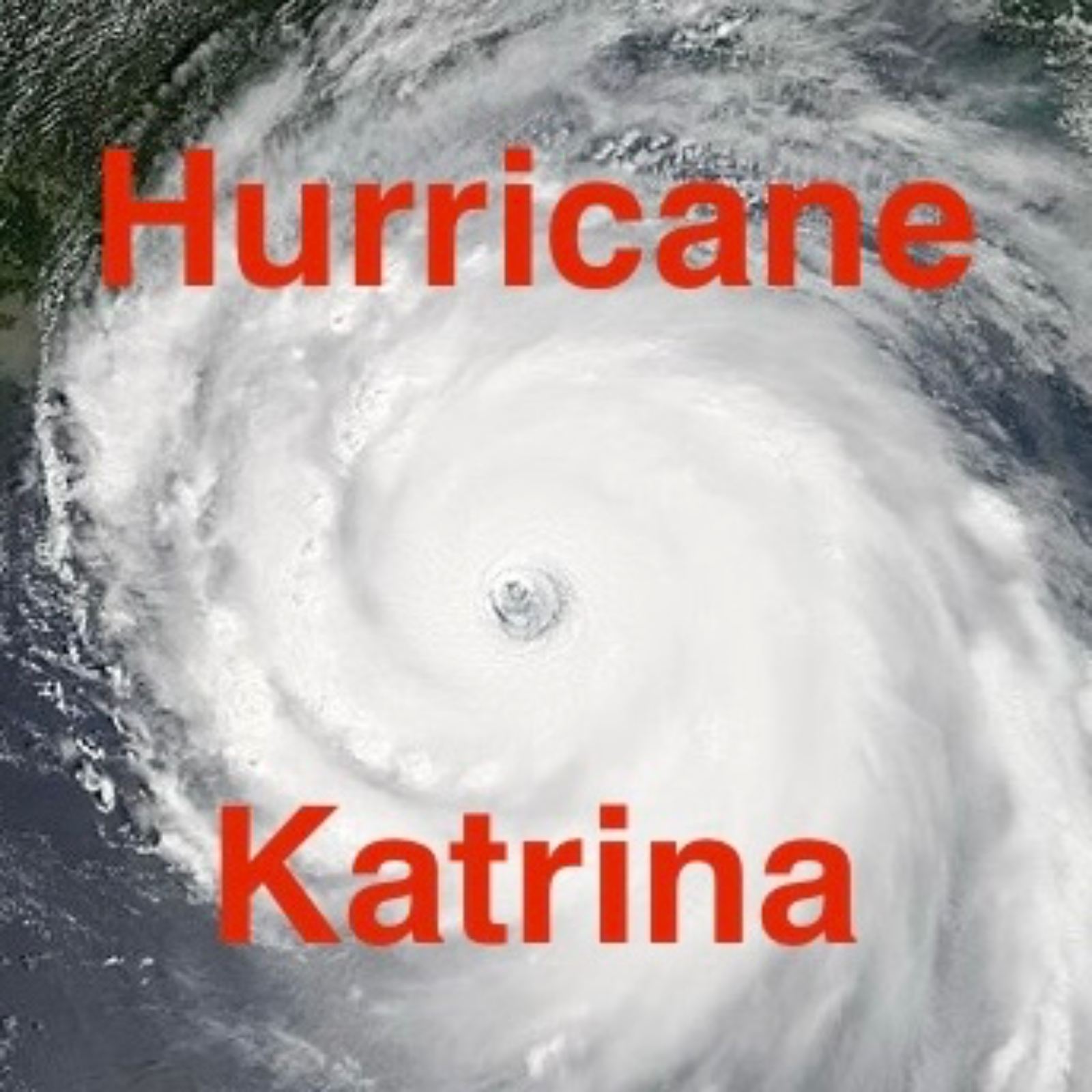
EPISODE · Aug 25, 2025 · 31 MIN
The Enduring Lessons of Hurricane Katrina and the Current State of U.S. Disaster Preparedness
from Meteorology Matters
The Enduring Lessons of Hurricane Katrina and the Current State of U.S. Disaster PreparednessDate: August 25, 2025Twenty years after Hurricane Katrina, its lessons remain profoundly relevant, highlighting systemic failures in national preparedness, coordination, and the critical role of federal agencies. While significant strides have been made in hurricane science and forecasting since 2005, particularly through federally funded initiatives, these gains and the overall U.S. disaster response capability are now critically at risk. Current administrative actions, including budget cuts, leadership inexperience, and a proposed reduction in FEMA's role, threaten to roll back two decades of progress, leaving the nation more vulnerable to increasingly intense and frequent climate-driven disasters. Experts and FEMA staff alike warn that the country is regressing to a "pre-Katrina era" of unpreparedness, with potentially catastrophic consequences.I. Hurricane Katrina: A Catalog of Systemic Failures (2005 Perspective)Hurricane Katrina, making landfall on August 29, 2005, as a Category 3 hurricane near the Louisiana-Mississippi border, was "an extraordinarily powerful and deadly hurricane that carved a wide swath of catastrophic damage and inflicted large loss of life." It became "the costliest and one of the five deadliest hurricanes to ever strike the United States," with a revised death toll of nearly 1,400 and an inflation-adjusted damage estimate of $186.3 billion (NHC, NPR). The federal response was "widely seen as a failure" (Yale Climate Connections), exposing deep-seated flaws across multiple domains.A. Core Failures Identified in "Katrina - Lessons Learned" Report:The Bush administration's "Lessons Learned" report identified 17 critical challenges, underscoring the inadequacy of the existing system for catastrophic threats. B. The Vulnerability of New Orleans:New Orleans was uniquely vulnerable due to its geography (half the city at or below sea level), loss of protective wetlands, and an inadequate levee system that "many scientists thought were too low" (NPR). A 2004 disaster simulation, "Hurricane Pam," predicted "thousands of deaths and that the entire city would be flooded," but federal agencies did not grasp the seriousness (NPR). The catastrophic levee failures, rather than just the storm's intensity, were the primary cause of devastation, overwhelming even more robust defenses in some areas due to "water levels over 27 feet" (Georgia Tech).C. Social and Economic Inequalities:Katrina "exposed and deepened existing social and economic inequalities." Lower-income Black neighborhoods, due to "years of segregation, disinvestment, and discriminatory housing policies," were "uniquely vulnerable" with residents often lacking "access to reliable transportation, making evacuation difficult or impossible." (Georgia Tech)II. Progress Since Katrina: Hurricane Science and ForecastingIn the two decades since Katrina, "hurricane scientists have made great strides toward understanding how climate change influences tropical cyclones, at the same time as they have vastly improved hurricane forecasting" (OPB).III. Current State of Vulnerability: Backsliding Towards a "Pre-Katrina Era" (2025 Perspective)Despite the scientific progress, disaster experts and FEMA staff warn that the U.S. is facing a severe regression in its disaster preparedness and response capabilities, reminiscent of the conditions that exacerbated the Katrina disaster.
Embed this episode
NOW PLAYING
The Enduring Lessons of Hurricane Katrina and the Current State of U.S. Disaster Preparedness
No transcript for this episode yet
Similar Episodes
No similar episodes found.
Similar Podcasts
No similar podcasts found.