
EPISODE · Oct 21, 2025 · 19 MIN
The Environmental Impact of Artificial Intelligence: Energy, Water, and Sustainability
from Meteorology Matters
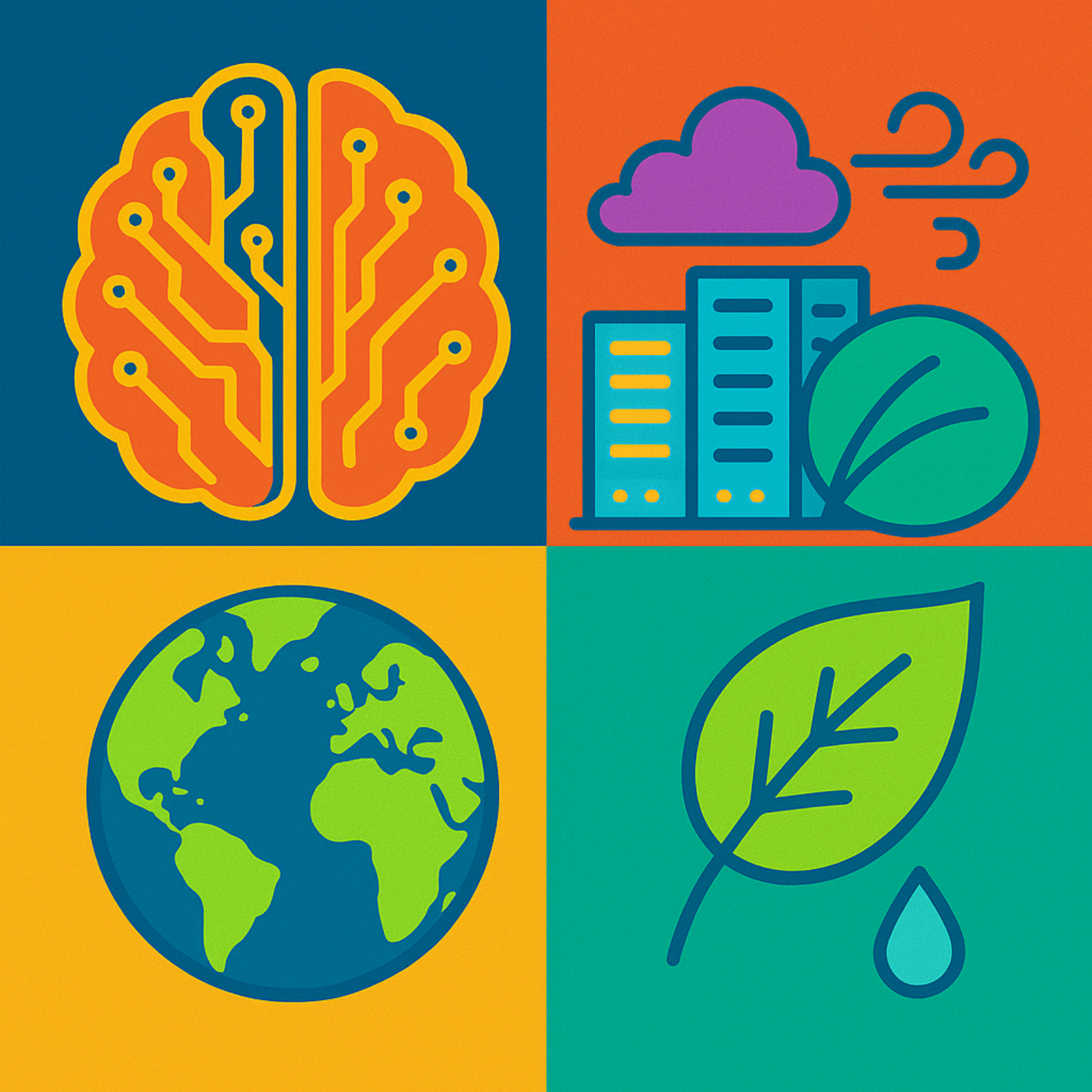
Meteorology Matters is testing episodes in English and Spanish.Seasons 1–100: English EpisodesTemporadas 101–200: Episodios en EspañolThe rapid integration of Artificial Intelligence (AI) into daily life is driving an unprecedented and escalating demand for computational resources, resulting in a significant and growing environmental footprint. This briefing synthesizes key data on AI's consumption of energy and water, its contribution to carbon emissions and e-waste, and the emerging strategies for mitigating these impacts.The core of AI's environmental burden lies in the vast data centers required to train and operate its models. These facilities consumed 4.4% of U.S. electricity in 2023, a figure projected to triple by 2028. Globally, data center electricity consumption is on track to double between 2022 and 2026, reaching a level comparable to the entire nation of Japan. This surge is primarily fueled by generative AI, which requires constant, reliable power, thereby increasing dependence on fossil fuels and locating data centers in regions with higher-carbon energy grids.Beyond electricity, AI's thirst for water to cool its hardware is creating acute, localized crises. Reports indicate that major tech companies' water usage has increased by as much as 34% in a single year, straining municipal supplies, impacting local communities, and sparking protests in regions from the U.S. to South America.A critical challenge in addressing these issues is the pervasive lack of transparency from technology companies, which treat their resource consumption data as trade secrets. This "black box" approach hinders effective regulation, research, and public accountability. In response, legislative and standardization efforts are beginning to emerge in the U.S. and E.U. to mandate reporting.While the energy cost of training models like GPT-4 is immense—estimated at over 50 gigawatt-hours—the majority of AI's energy demand (80-90%) now comes from "inference," the day-to-day use of these models by billions of users. The future trajectory points toward even greater consumption, with the development of AI "agents" and "reasoning models" that could require orders of magnitude more energy. Proposed solutions focus on a multi-pronged strategy: developing more efficient AI models and hardware, transitioning data centers to renewable energy sources, and fostering interdisciplinary research to guide sustainable development.
Embed this episode
NOW PLAYING
The Environmental Impact of Artificial Intelligence: Energy, Water, and Sustainability
No transcript for this episode yet
Similar Episodes
No similar episodes found.
Similar Podcasts
No similar podcasts found.