The evolution of ethnobotany episode artwork

EPISODE · Jan 13, 2021 · 8 MIN

The evolution of ethnobotany

from Scienceline · host Scienceline

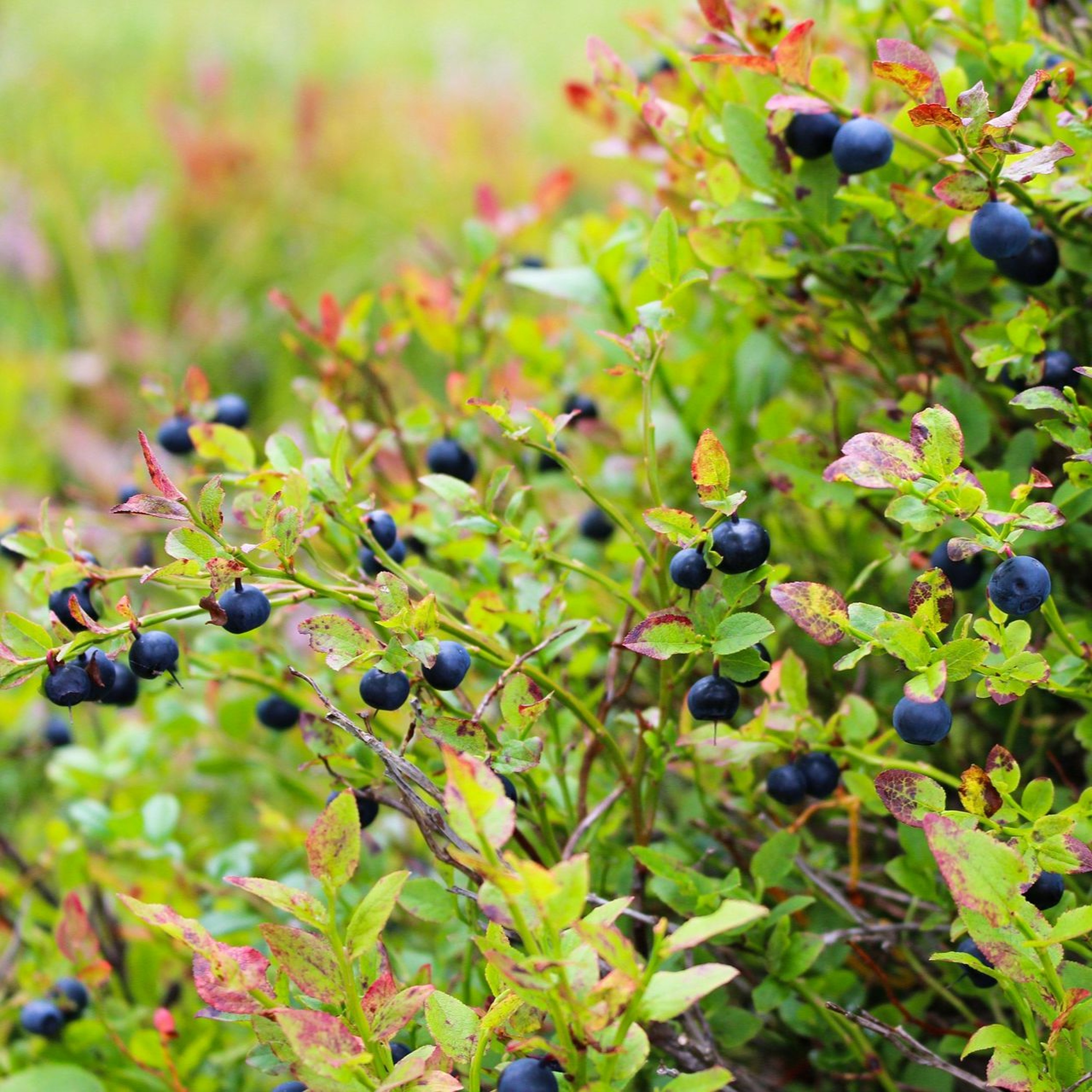
As long as humans have been around, we’ve relied on plants for our survival: as food, fuel, shelter, medicine — and to produce the oxygen we breathe. Ethnobotanists are scientists who study and catalog these complex interactions between people and plants. Yet ethnobotany has a complicated history of its own, with roots in European colonial expeditions and in the exploitation of Indigenous communities. Now, with the biodiversity crisis imperiling plants, ethnobotanists have become unexpected advocates for Indigenous knowledge rights in the quest to conserve useful plants around the world and the cultures that rely on them. Modern ethnobotanists are striving to work in partnership with their study communities to preserve much more than just plants: Languages, livelihoods and a wealth of knowledge are at stake.  Photo: Blueberry plants grow wild in Jonathan Ferrier’s homelands and study sites, and have many important medicinal uses. [Credit: Kjerstin_Michaela | Public Domain Mark 1.0] Original music by Michael Radack Other music and sound effects by Jahzzar, Richard Laiepce, mikevpme, and Blear Moon

Episode metadata supplied by the publisher feed · Published Jan 13, 2021

As long as humans have been around, we’ve relied on plants for our survival: as food, fuel, shelter, medicine — and to produce the oxygen we breathe. Ethnobotanists are scientists who study and catalog these complex interactions between people and plants. Yet ethnobotany has a complicated history of its own, with roots in European colonial expeditions and in the exploitation of Indigenous communities. Now, with the biodiversity crisis imperiling plants, ethnobotanists have become unexpected advocates for Indigenous knowledge rights in the quest to conserve useful plants around the world and the cultures that rely on them. Modern ethnobotanists are striving to work in partnership with their study communities to preserve much more than just plants: Languages, livelihoods and a wealth of knowledge are at stake.  Photo: Blueberry plants grow wild in Jonathan Ferrier’s homelands and study sites, and have many important medicinal uses. [Credit: Kjerstin_Michaela | Public Domain Mark 1.0] Original music by Michael Radack Other music and sound effects by Jahzzar, Richard Laiepce, mikevpme, and Blear Moon

PodParley-generated summary based on available episode metadata and transcript content.

NOW PLAYING

The evolution of ethnobotany

0:00 8:04

No transcript for this episode yet

We transcribe on demand. Request one and we'll notify you when it's ready — usually under 10 minutes.

Frequently Asked Questions

How long is this episode of Scienceline?

This episode is 8 minutes long.

When was this Scienceline episode published?

This episode was published on January 13, 2021.

What is this episode about?

As long as humans have been around, we’ve relied on plants for our survival: as food, fuel, shelter, medicine — and to produce the oxygen we breathe. Ethnobotanists are scientists who study and catalog these complex interactions between people and...

Can I download this Scienceline episode?

Yes, you can download this episode by clicking the download button on the episode player, or subscribe to the podcast in your preferred podcast app for automatic downloads.
URL copied to clipboard!