
EPISODE · Oct 6, 2026 · 38 MIN
The Experimenter
from Stockyard Sessions
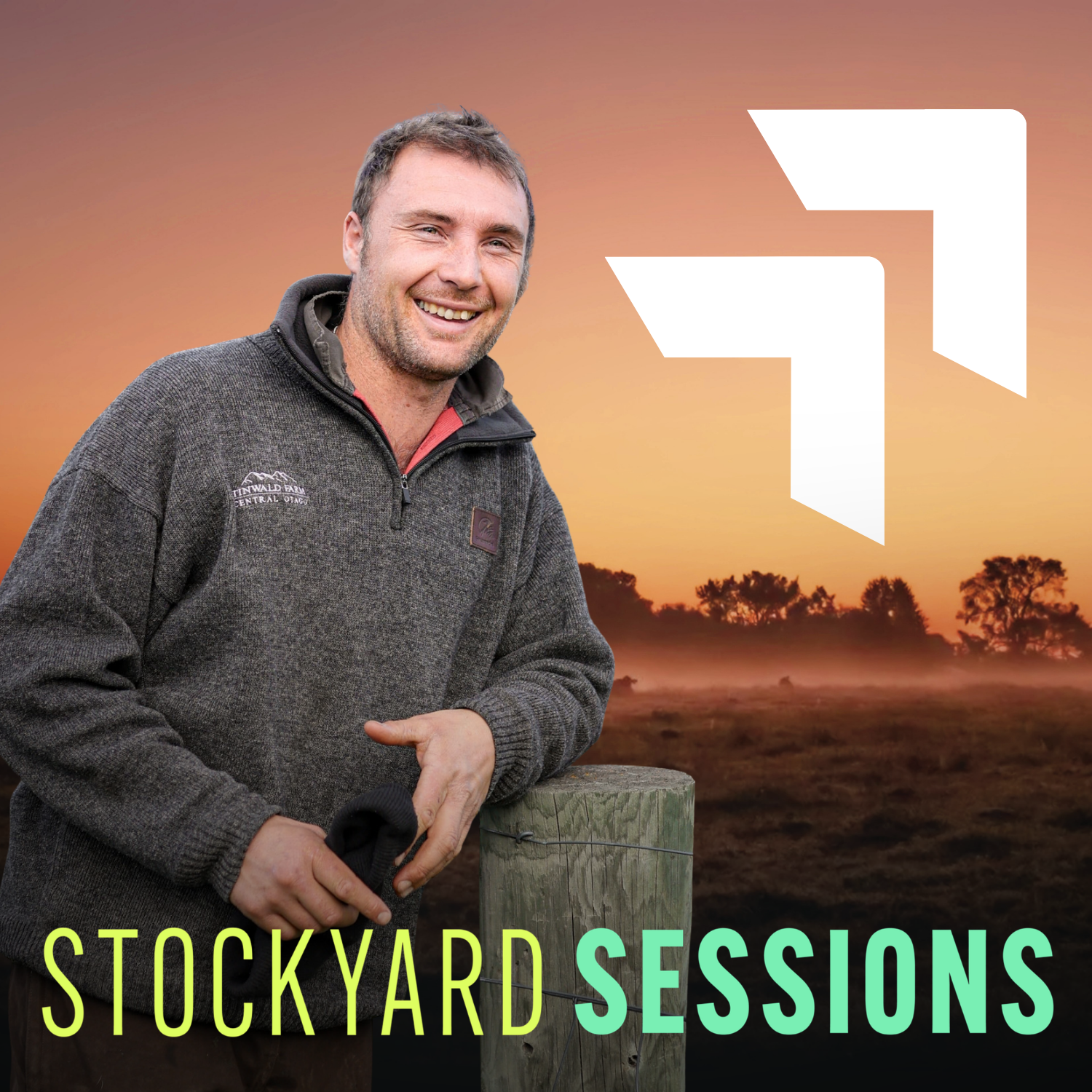
When Jason Sutherland started managing the livestock at Tinwald Farm in Central Otago, the property was running around 10,000 stock units on 650 effective hectares. Everything was contract grazed, the whole farm was ryegrass and clover, and every January the heat would knock the feed out from under him. Jason calls it a man-made drought. In this episode of Stockyard Sessions, Jason explains how the team rebuilt the grazing system. They planted dryland species like cocksfoot, fescue, chicory, plantain and lucerne under pivots, moved to large mobs, and now own all their stock: around 300 Angus breeding cows and 1,500 ewes. Recovery periods sit around 30 to 35 days in spring and stretch to 120 days or more in dry years. That planning was tested when the irrigation water ran out for a month and a half, and the farm still had two to three months of feed in front of its grazing livestock. “Previously, we would have had to destock the whole farm because we ran out of feed. Those recovery periods are what help you relax, knowing you’ve got feed ahead of you” Jason also shares how he'd advise other managers to start without putting production at risk, and why watching your stock closely is the habit he'd recommend to every farmer. This podcast is brought to you by Atlas Ag, the team behind Atlas Carbon and Atlas Grazing.
Embed this episode
Ready to play
The Experimenter
No transcript for this episode yet
Similar Episodes
No similar episodes found.
Similar Podcasts
No similar podcasts found.