
EPISODE · May 21, 2026 · 27 MIN
The Four Engines of Your Metabolism (And Why Three of Them Aren't the Gym)
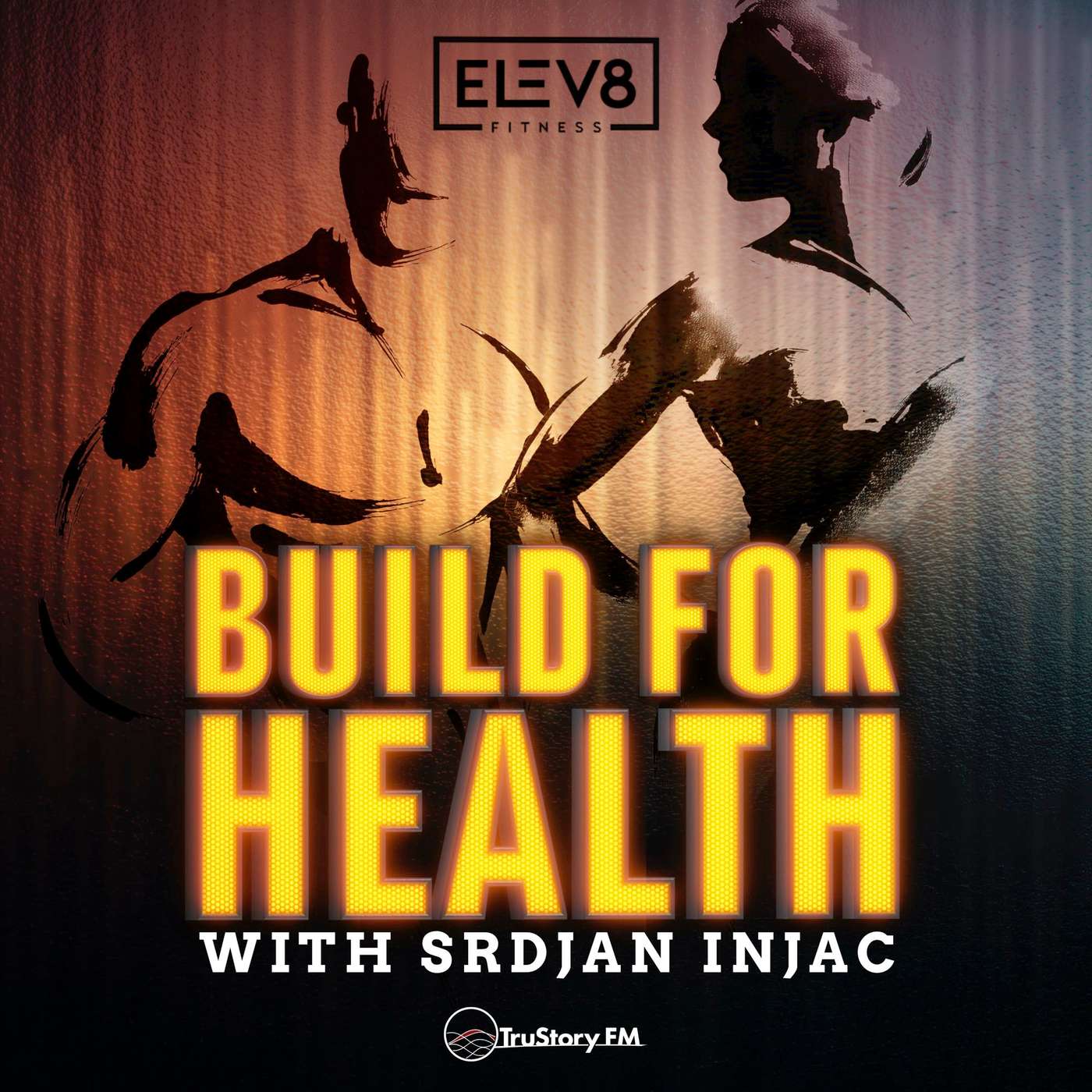
from Build for Health with Srdjan Injac · host TruStory FM
Most of us treat metabolism like a mystery dial somewhere inside the body — one that worked fine in our twenties and quietly broke sometime after. In this episode, Pete brings that exact theory to Srdjan, who gently dismantles it and replaces it with something far more useful: a four-part system you can actually influence, starting today, without setting foot in a gym.Srdjan walks through the four components of total daily energy expenditure — your basal metabolic rate, the thermic effect of food, exercise itself, and NEAT (non-exercise activity thermogenesis, a.k.a. the steps, fidgeting, and standing-up-from-your-desk that quietly run the show). The numbers are surprising. BMR alone accounts for sixty to seventy-five percent of what you burn in a day. Exercise? A modest five to fifteen percent. Which means the hour you spend grinding in the gym is genuinely valuable — and also not the lever you think it is.The conversation moves into the supporting cast: sleep, stress, and hormones. Srdjan explains why under-sleeping cranks up ghrelin and tanks leptin, why chronic cortisol makes your body fight your goals, and why protein does double duty — it builds muscle and costs your body twenty to thirty percent of its own calories just to digest. Pete arrives at the radical conclusion that the most effective thing he could do for his metabolism right now is take a nap and eat a steak. Srdjan, to his credit, does not disagree.The episode closes with a listener question about manual labor — does a physically demanding job count as training? — and a clear takeaway: focus on what you can control in those other twenty-three hours, and the gym becomes the multiplier, not the whole equation.KEY TAKEAWAYSMetabolism isn't one thing. It's four: BMR (60–75% of daily burn), thermic effect of food (digestion costs), exercise activity (a modest 5–15%), and NEAT (everything else you do all day)."Broken metabolism" is almost never the right diagnosis. Metabolism is highly adaptable and responds to sleep, stress, diet, movement, and muscle mass.Protein is the most metabolically expensive nutrient — your body burns 20–30% of those calories just digesting them. Carbs are 5–10%. Fat is around 3%.Muscle is metabolically active tissue. More muscle means a higher resting burn, which is why resistance training pays compounding dividends.Sleep is non-negotiable. Under-sleeping raises ghrelin (hunger), lowers leptin (fullness), worsens insulin sensitivity, and drives sugar cravings.Chronic stress sends the same signal to your body whether it's coming from work, relationships, money, or excessive dieting — and it sabotages recovery either way.The 23-hour rule: what you do outside the gym matters more than the hour inside it. Ten thousand steps, standing, walking, daily chores — that's where the real burn lives.Cardio and resistance training do different jobs. Cardio burns calories now. Resistance training protects the system that burns calories later.Links & NotesCheck out ELEV8 Fitness in Hillsboro! Submit your questions to the show!
Embed this episode
NOW PLAYING
The Four Engines of Your Metabolism (And Why Three of Them Aren't the Gym)
No transcript for this episode yet
Similar Episodes
No similar episodes found.
Similar Podcasts
No similar podcasts found.