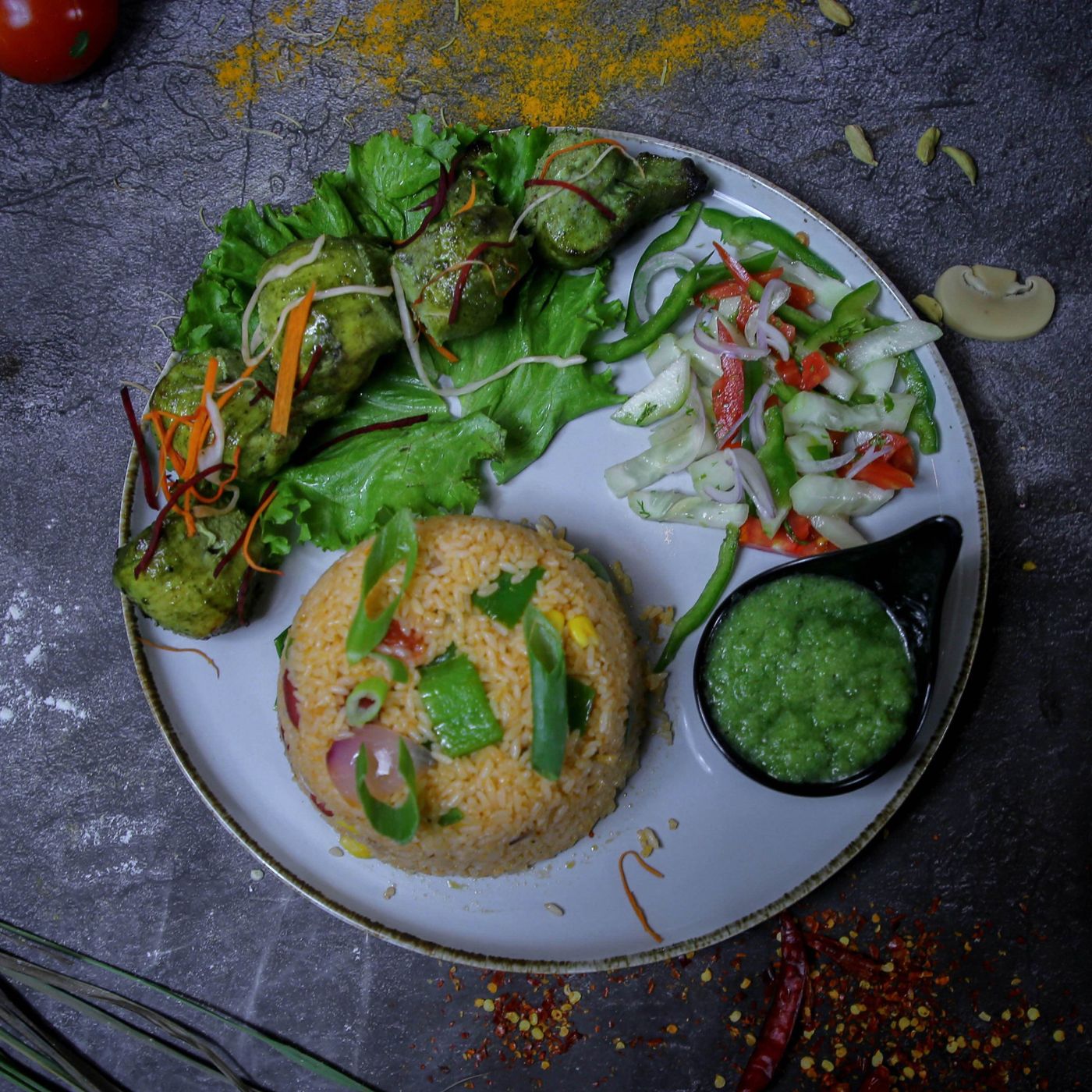
The Frozen Frontier: Innovation, Science, and Fine Dining Gourmet episode artwork

EPISODE · Jan 23, 2026 · 29 MIN

The Frozen Frontier: Innovation, Science, and Fine Dining Gourmet

from Whole Life Studio · host Norse Studio

The landscape of modern gastronomy is undergoing a profound transformation, particularly in the realm of frozen foods. For decades, the freezer was often viewed as a place for emergency meals of lower quality. Today, a new generation of innovators and chefs is redefining frozen food as a premium, vibrant opportunity for discerning consumers. This movement, often termed freezer fine dining, bridges the gap between the convenience of ready-to-eat meals and the high standards of a restaurant experience.A significant driver of this change is the application of advanced food science. Traditional domestic freezing is slow, leading to the formation of large ice crystals that damage food fibers and make them soft once thawed. In contrast, professional flash-freezing and cryogenic systems create micro-crystals that preserve the cellular structure, flavor, and nutrients of the ingredients. This technology essentially allows a chef to crystallize a dish at the moment of perfection. When the meal is eventually reheated at home, the organoleptic experience is nearly identical to sitting at a restaurant table.The rise of gourmet meal delivery services exemplifies this shift. Companies are now offering chef-designed menus that cater to diverse dietary needs, from high-protein fitness plans to plant-based artisanal dishes. These services provide flexibility for busy professionals, seniors, and parents while ensuring minimal food waste. Research indicates that diets containing frozen food can result in significantly less waste compared to fresh food, as consumers can use precise portions without the risk of fresh ingredients spoiling. Brands are even innovating with space-efficient designs, such as nutritious meals frozen into individually portioned blocks that can be prepared in minutes.Technological innovation extends into the professional kitchen as well. Devices such as the anti-griddle have revolutionized how textures are manipulated. By maintaining a constant surface temperature of minus thirty degrees Fahrenheit, this appliance allows chefs to flash-freeze liquids and gels in seconds, creating dishes with crunchy outer shells and creamy centers. Such tools are part of a broader scientific approach known as molecular gastronomy, which investigates the physical and chemical transformations that occur during cooking. This field utilizes various natural gums, liquid nitrogen, and precise temperature controls to invent new dishes and enhance the sensory appreciation of food.The shelf life of these high-quality products is not merely a matter of time but a complex interaction of environmental variables. Temperature remains the most critical factor, as higher temperatures accelerate the rate of quality loss. Scientists use kinetic models and sensitivity factors to predict how foods react to fluctuations during storage and distribution. Managing moisture and oxygen levels is also vital, as these factors contribute to issues like rancidity or vitamin degradation. Advanced packaging, such as vacuum sealing, further helps to maintain freshness for several months.Ultimately, the freezer is evolving into an artisanal pantry. By avoiding artificial preservatives and relying on the natural preservation of extreme cold, manufacturers and chefs are meeting the growing demand for clean, healthy, and high-quality eating. This intersection of culinary craftsmanship and scientific precision ensures that excellence is no longer a rare event tied to a special occasion, but a convenient, sustainable, and accessible daily reality. Hosted on Acast. See acast.com/privacy for more information.Become a supporter of this podcast: https://www.spreaker.com/podcast/whole-life-studio--6886552/support.

The landscape of modern gastronomy is undergoing a profound transformation, particularly in the realm of frozen foods. For decades, the freezer was often viewed as a place for emergency meals of lower quality. Today, a new generation of innovators and chefs is redefining frozen food as a premium, vibrant opportunity for discerning consumers. This movement, often termed freezer fine dining, bridges the gap between the convenience of ready-to-eat meals and the high standards of a restaurant experience.A significant driver of this change is the application of advanced food science. Traditional domestic freezing is slow, leading to the formation of large ice crystals that damage food fibers and make them soft once thawed. In contrast, professional flash-freezing and cryogenic systems create micro-crystals that preserve the cellular structure, flavor, and nutrients of the ingredients. This technology essentially allows a chef to crystallize a dish at the moment of perfection. When the meal is eventually reheated at home, the organoleptic experience is nearly identical to sitting at a restaurant table.The rise of gourmet meal delivery services exemplifies this shift. Companies are now offering chef-designed menus that cater to diverse dietary needs, from high-protein fitness plans to plant-based artisanal dishes. These services provide flexibility for busy professionals, seniors, and parents while ensuring minimal food waste. Research indicates that diets containing frozen food can result in significantly less waste compared to fresh food, as consumers can use precise portions without the risk of fresh ingredients spoiling. Brands are even innovating with space-efficient designs, such as nutritious meals frozen into individually portioned blocks that can be prepared in minutes.Technological innovation extends into the professional kitchen as well. Devices such as the anti-griddle have revolutionized how textures are manipulated. By maintaining a constant surface temperature of minus thirty degrees Fahrenheit, this appliance allows chefs to flash-freeze liquids and gels in seconds, creating dishes with crunchy outer shells and creamy centers. Such tools are part of a broader scientific approach known as molecular gastronomy, which investigates the physical and chemical transformations that occur during cooking. This field utilizes various natural gums, liquid nitrogen, and precise temperature controls to invent new dishes and enhance the sensory appreciation of food.The shelf life of these high-quality products is not merely a matter of time but a complex interaction of environmental variables. Temperature remains the most critical factor, as higher temperatures accelerate the rate of quality loss. Scientists use kinetic models and sensitivity factors to predict how foods react to fluctuations during storage and distribution. Managing moisture and oxygen levels is also vital, as these factors contribute to issues like rancidity or vitamin degradation. Advanced packaging, such as vacuum sealing, further helps to maintain freshness for several months.Ultimately, the freezer is evolving into an artisanal pantry. By avoiding artificial preservatives and relying on the natural preservation of extreme cold, manufacturers and chefs are meeting the growing demand for clean, healthy, and high-quality eating. This intersection of culinary craftsmanship and scientific precision ensures that excellence is no longer a rare event tied to a special occasion, but a convenient, sustainable, and accessible daily reality. Hosted on Acast. See acast.com/privacy for more information.Become a supporter of this podcast: https://www.spreaker.com/podcast/whole-life-studio--6886552/support.

NOW PLAYING

The Frozen Frontier: Innovation, Science, and Fine Dining Gourmet

0:00 29:14

No transcript for this episode yet

We transcribe on demand. Request one and we'll notify you when it's ready — usually under 10 minutes.

Eat to Live Jenna Fuhrman, Dr. Fuhrman Our health is our most precious gift and smart nutrition can change your life. Each month, join Dr. Fuhrman and his daughter, Jenna Fuhrman as they discuss important topics in the world of nutrition. Eat to Live will change the way you eat and think about food. French Your Way Jessica: Native French teacher founder of French Your Way Boost your French listening skills and test your comprehension with this one of a kind series of podcasts. Get the chance to listen to a real conversation between native speakers talking at normal speed AND customise your learning experience through carefully designed sets of questions (2 levels of difficulty) available for download at www.frenchvoicespodcast.com. All interviews also come with the transcript. French teacher Jessica interviews native speakers of French from around the world who share a bit of their life and passion. Where else would you meet in one same place a French yoga teacher based in Melbourne, a soap manufacturer from Provence, or a couple cycling around the world? That Hoarder: Overcome Compulsive Hoarding That Hoarder Hoarding disorder is stigmatised and people who hoard feel vast amounts of shame. This podcast began life as an audio diary, an anonymous outlet for somebody with this weird condition. That Hoarder speaks about her experiences living with compulsive hoarding, she interviews therapists, academics, researchers, children of hoarders, professional organisers and influencers, and she shares insight and tips for others with the problem. Listened to by people who hoard as well as those who love them and those who work with them, Overcome Compulsive Hoarding with That Hoarder aims to shatter the stigma, share the truth and speak openly and honestly to improve lives. The Lee Olsen Show Lee Olsen CJF I want to help you improve all areas of your life by 3 types of podcasts!👉Blood, Sweat & Blessings-Interviews of normal people that have achieved BIG things!👉Series!!! For Love of the Horse- Brad Jackman DVM & Lee Olsen CJF, how to help your horse!👉Business Tips- Proven Life Changing Business Strategies with Lee Olsen

Frequently Asked Questions

How long is this episode of Whole Life Studio?

This episode is 29 minutes long.

When was this Whole Life Studio episode published?

This episode was published on January 23, 2026.

What is this episode about?

The landscape of modern gastronomy is undergoing a profound transformation, particularly in the realm of frozen foods. For decades, the freezer was often viewed as a place for emergency meals of lower quality. Today, a new generation of innovators...

Can I download this Whole Life Studio episode?

Yes, you can download this episode by clicking the download button on the episode player, or subscribe to the podcast in your preferred podcast app for automatic downloads.
URL copied to clipboard!