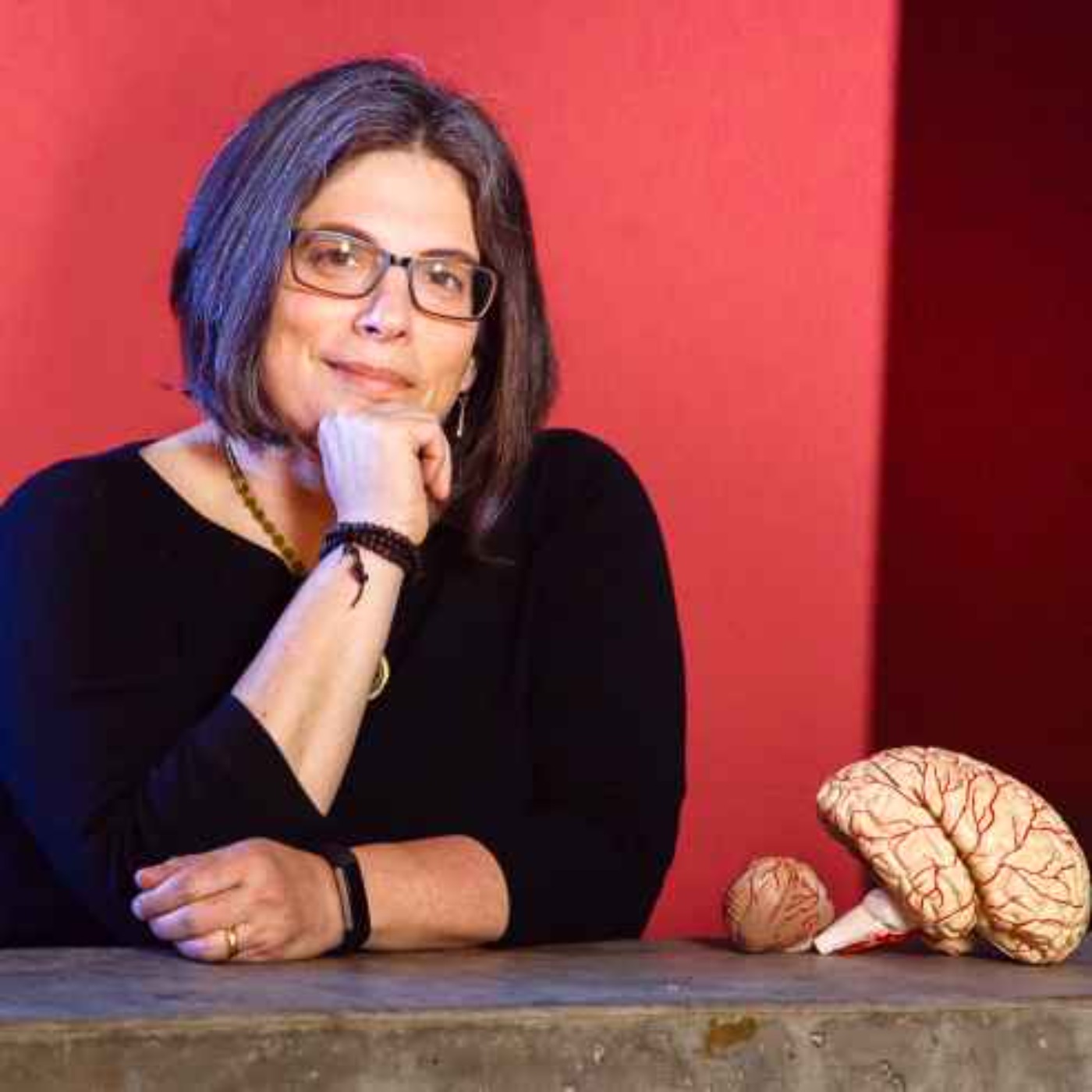
The future of psychedelic science episode artwork

EPISODE · Apr 19, 2024 · 1H 2M

The future of psychedelic science

from Berkeley Talks

In Berkeley Talks episode 195, UC Berkeley professors discuss how and why psychedelic substances first evolved, the effects they have in the human brain and mind, and the mechanism behind their potential therapeutic role."If it's true that the therapeutic effects are in part because we're returning to this state of susceptibility, and vulnerability, and ability to learn from our environment similar to childhood," says psychology Professor Gül Dölen, "then if we just focus on the day of the trip and don't instead also focus our therapeutic efforts on those weeks after, where the critical period is presumably still open, then we're missing the opportunity to really integrate those insights that happen during the trip into the rest of the network of memories that are supporting those learned behaviors."And then the caution is that we don't want to be opening up these critical periods and then, for example, returning people to a traumatic environment or exposing them to potentially bad actors … So we want to be very careful about the way that we take care of patients after they've been in this open state of the critical period."Panelists of this March 27, 2024 event included: Imran Khan (moderator): Executive director of the Berkeley Center for the Science of Psychedelics (BCSP).Gül Dölen: Renee & U.S. Marine Lance Cpl. Bob Parsons Endowed Chair in psychology, psychedelics, and neuroscience; professor in the Department of Psychology.Daniela Kaufer: Professor in the Department of Integrative Biology and in the Helen Wills Neuroscience Institute; associate dean of biological sciences.Noah Whiteman: Professor of integrative biology and of molecular and cell biology; faculty director of the Essig Museum of Entomology.Michael Silver: Professor in the Herbert Wertheim School of Optometry and Vision Science and in the Helen Wills Neuroscience Institute; faculty director of BCSP.Listen to the episode and read the transcript on Berkeley News (news.berkeley.edu/podcasts).Music by Blue Dot Sessions.UC Berkeley photo of Daniela Kaufer. Hosted on Acast. See acast.com/privacy for more information.

In Berkeley Talks episode 195, UC Berkeley professors discuss how and why psychedelic substances first evolved, the effects they have in the human brain and mind, and the mechanism behind their potential therapeutic role."If it's true that the therapeutic effects are in part because we're returning to this state of susceptibility, and vulnerability, and ability to learn from our environment similar to childhood," says psychology Professor Gül Dölen, "then if we just focus on the day of the trip and don't instead also focus our therapeutic efforts on those weeks after, where the critical period is presumably still open, then we're missing the opportunity to really integrate those insights that happen during the trip into the rest of the network of memories that are supporting those learned behaviors."And then the caution is that we don't want to be opening up these critical periods and then, for example, returning people to a traumatic environment or exposing them to potentially bad actors … So we want to be very careful about the way that we take care of patients after they've been in this open state of the critical period."Panelists of this March 27, 2024 event included: Imran Khan (moderator): Executive director of the Berkeley Center for the Science of Psychedelics (BCSP).Gül Dölen: Renee & U.S. Marine Lance Cpl. Bob Parsons Endowed Chair in psychology, psychedelics, and neuroscience; professor in the Department of Psychology.Daniela Kaufer: Professor in the Department of Integrative Biology and in the Helen Wills Neuroscience Institute; associate dean of biological sciences.Noah Whiteman: Professor of integrative biology and of molecular and cell biology; faculty director of the Essig Museum of Entomology.Michael Silver: Professor in the Herbert Wertheim School of Optometry and Vision Science and in the Helen Wills Neuroscience Institute; faculty director of BCSP.Listen to the episode and read the transcript on Berkeley News (news.berkeley.edu/podcasts).Music by Blue Dot Sessions.UC Berkeley photo of Daniela Kaufer. Hosted on Acast. See acast.com/privacy for more information.

NOW PLAYING

The future of psychedelic science

0:00 1:02:14

No transcript for this episode yet

We transcribe on demand. Request one and we'll notify you when it's ready — usually under 10 minutes.

Carnivores Don't Get Sunburn - Carnivore Diet Talks Carnivores Don't Get Sunburn - Carnivore Diet Talks Welcome to “Carnivores Don’t Get Sunburn,” where we have fun and explore the carnivore diet and its transformative power. Join us as we uncover real stories from individuals who have thrived on this diet, defying convention and embracing optimal health. Plus, stay tuned for our upcoming documentary featuring diverse carnivores overcoming health challenges. Learn more at www.carnivoredietdocumentary.com.Excitingly, we’re working on an upcoming documentary where we’ll feature carnivores from various walks of life, conquering diverse health challenges. Join us on this journey and learn more at www.carnivoredietdocumentary.com.Join us in uncovering the power of the carnivore diet. Prepare to be inspired, informed, and empowered to embrace optimal health and well-being.Welcome to “Carnivores Don’t Get Sunburn: Unveiling Real Stories of the Carnivore Diet.” Stay tuned for our upcoming documentary. Discover how this lifestyle can transform lives. Learn more at www.carnivoredietdocumentary.com IT IS WHAT IT IS with SHALLZ - SHALLY ZOMORODI Shally Zomorodi What?  "It is what it is" with ShallZ – Shally ZomorodiWhen? WeeklyHow long? 35 minutesEvery week, Mother of 4, wife, morning TV news anchor and ultimate hostess, Shally Zomorodi talks about life - its up's and downs and how to stay on track in her weekly podcast, ‘It is what it is.’  Known for her high energy, infectious smile and ability to see the cup as half full Shally talks about all things in life and how to work through its challenges. From parenting, marriage, friendships, current events to how to smile when it just seems impossible ‘It is what it is’ is the perfect podcast to help inspire you to dance through the rain. Tracking Nuclear Weapons Programs Center for Strategic and International Studies The CSIS Proliferation Prevention Program talks to experts about transparency and nuclear weapons. Cover Stories with Chess Life US Chess Chess Life Editor John Hartmann talks to the authors of each month's Chess Life cover story.

Frequently Asked Questions

How long is this episode of Berkeley Talks?

This episode is 1 hour and 2 minutes long.

When was this Berkeley Talks episode published?

This episode was published on April 19, 2024.

What is this episode about?

In Berkeley Talks episode 195, UC Berkeley professors discuss how and why psychedelic substances first evolved, the effects they have in the human brain and mind, and the mechanism behind their potential therapeutic role."If it's true that the...

Can I download this Berkeley Talks episode?

Yes, you can download this episode by clicking the download button on the episode player, or subscribe to the podcast in your preferred podcast app for automatic downloads.
URL copied to clipboard!