
EPISODE · Aug 12, 2022 · 4 MIN
The Gettier Problem
from The 21st Century Monads · host The 21st Century Monads
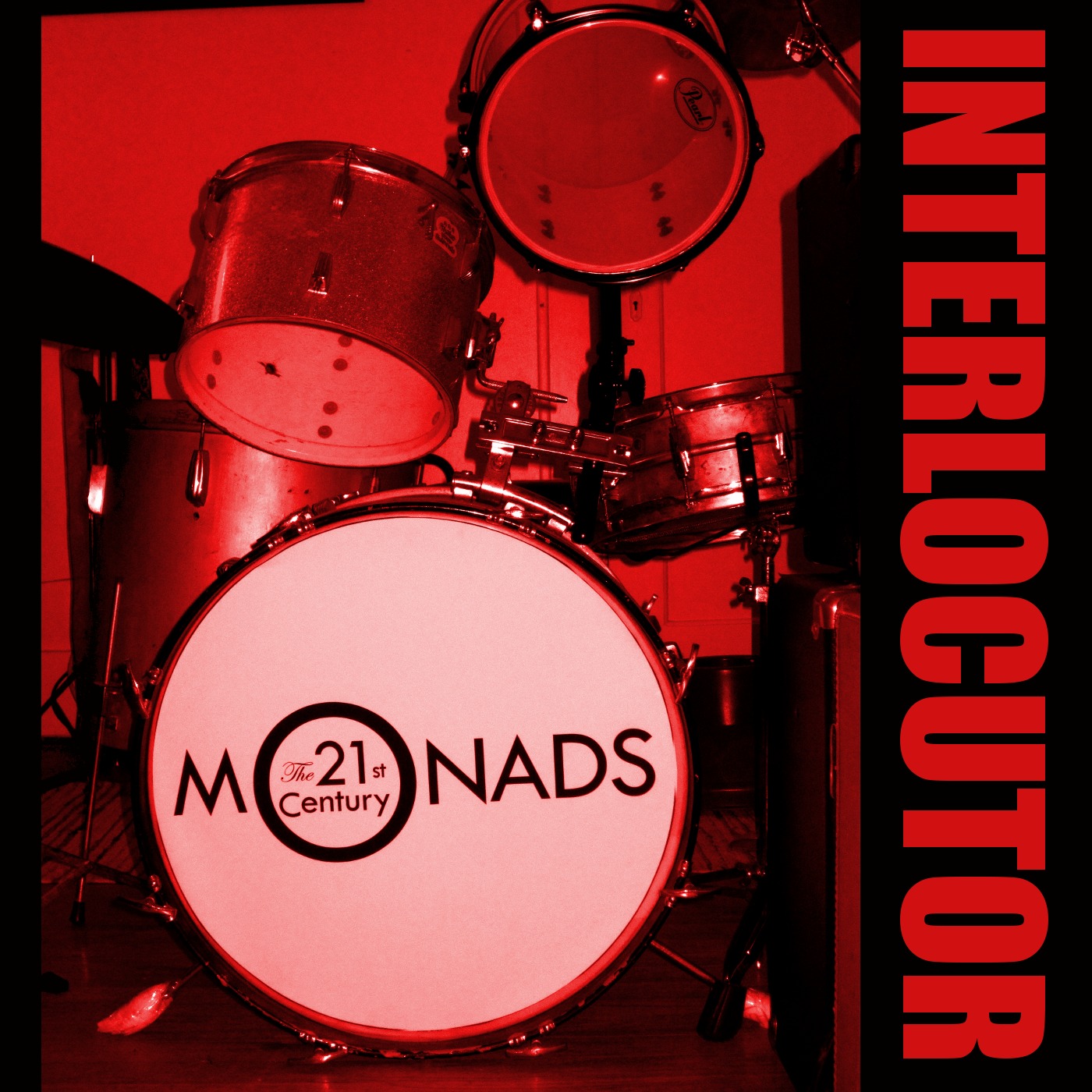
It's true. You believe. You're justified. Ya know? Lyrics written by Kris McDaniel Kris McDaniel: vocals, edrums, electric guitar, keyboards Ben Bradley: bass guitar, vocals, electric guitar Cover art by Carrie Jenkins What does it take to know a fact? Is it enough to believe truly with excellent evidence? In a paper whose impact to length ratio is unbeaten, Ed Gettier argued that the answer is no, by presenting a few cases. Here are the cases in Ed’s own words: “CASE I: Suppose that Smith and Jones have applied for a certain job. And suppose that Smith has strong evidence for the following conjunctive proposition: (d) Jones is the man who will get the job, and Jones has ten coins in his pocket. Smith's evidence for (d) might be that the president of the company assured him that Jones would in the end be selected, and that he, Smith, had counted the coins in Jones's pocket ten minutes ago. Proposition (d) entails: (e) The man who will get the job has ten coins in his pocket. Let us suppose that Smith sees the entailment from (d) to (e), and accepts (e) on the grounds of (d), for which he has strong evidence. In this case, Smith is clearly justified in believing that (e) is true. But imagine, further, that unknown to Smith, he himself, not Jones, will get the job. And, also, unknown to Smith, he himself has ten coins in his pocket. Proposition (e) is then true, though proposition (d), from which Smith inferred (e), is false. In our example, then, all of the following are true: (i) (e) is true, (ii) Smith believes that (e) is true, and (iii) Smith is justified in believing that (e) is true. But it is equally clear that Smith does not KNOW that (e) is true; for (e) is true in virtue of the number of coins in Smith's pocket, while Smith does not know how many coins are in Smith's pocket, and bases his belief in (e) on a count of the coins in Jones's pocket, whom he falsely believes to be the man who will get the job. CASE II: Let us suppose that Smith has strong evidence for the following proposition: (f) Jones owns a Ford. Smith's evidence might be that Jones has at all times in the past within Smith's memory owned a car, and always a Ford, and that Jones has just offered Smith a ride while driving a Ford. Let us imagine, now, that Smith has another friend, Brown, of whose whereabouts he is totally ignorant. Smith selects three place names quite at random and constructs the following three propositions: (g) Either Jones owns a Ford, or Brown is in Boston. (h) Either Jones owns a Ford, or Brown is in Barcelona. (i) Either Jones owns a Ford, or Brown is in Brest-Litovsk. Each of these propositions is entailed by (f). Imagine that Smith realizes the entailment of each of these propositions … and proceeds to accept (g), (h), and (i) on the basis of (f). Smith has correctly inferred (g), (h), and (i) from a proposition for which he has strong evidence. Smith is therefore completely justified in believing each of these three propositions. Smith, of course, has no idea where Brown is. But imagine now that two further conditions hold. First, Jones does not own a Ford, but is at present driving a rented car. And secondly, by the sheerest coincidence, and entirely unknown to Smith, the place mentioned in proposition (h) happens really to be the place where Brown is. If these two conditions hold, then Smith does not KNOW that (h) is true, even though (i) (h) is true, (ii) Smith does believe that (h) is true, and (iii) Smith is justified in believing that (h) is true.” [Edmund Gettier, “Is Justified True Belief Knowledge?”, Analysis 33.6, pp. 121–123] As Gettier notes, these two cases show that whatever knowledge is, it is not simply true belief with excellent evidence. The Gettier Problem is the challenge of figuring out what needs to be added to justified true belief in order to get knowledge. Copyright 2022 © The 21st Century Monads
What this episode covers
It's true. You believe. You're justified. Ya know? Lyrics written by Kris McDaniel Kris McDaniel: vocals, edrums, electric guitar, keyboards Ben Bradley: bass guitar, vocals, electric guitar Cover art by Carrie Jenkins What does it take to know a fact? Is it enough to believe truly with excellent evidence? In a paper whose impact to length ratio is unbeaten, Ed Gettier argued that the answer is no, by presenting a few cases. Here are the cases in Ed’s own words: “CASE I: Suppose that Smith and Jones have applied for a certain job. And suppose that Smith has strong evidence for the following conjunctive proposition: (d) Jones is the man who will get the job, and Jones has ten coins in his pocket. Smith's evidence for (d) might be that the president of the company assured him that Jones would in the end be selected, and that he, Smith, had counted the coins in Jones's pocket ten minutes ago. Proposition (d) entails: (e) The man who will get the job has ten coins in his pocket. Let us suppose that Smith sees the entailment from (d) to (e), and accepts (e) on the grounds of (d), for which he has strong evidence. In this case, Smith is clearly justified in believing that (e) is true. But imagine, further, that unknown to Smith, he himself, not Jones, will get the job. And, also, unknown to Smith, he himself has ten coins in his pocket. Proposition (e) is then true, though proposition (d), from which Smith inferred (e), is false. In our example, then, all of the following are true: (i) (e) is true, (ii) Smith believes that (e) is true, and (iii) Smith is justified in believing that (e) is true. But it is equally clear that Smith does not KNOW that (e) is true; for (e) is true in virtue of the number of coins in Smith's pocket, while Smith does not know how many coins are in Smith's pocket, and bases his belief in (e) on a count of the coins in Jones's pocket, whom he falsely believes to be the man who will get the job. CASE II: Let us suppose that Smith has strong evidence for the following proposition: (f) Jones owns a Ford. Smith's evidence might be that Jones has at all times in the past within Smith's memory owned a car, and always a Ford, and that Jones has just offered Smith a ride while driving a Ford. Let us imagine, now, that Smith has another friend, Brown, of whose whereabouts he is totally ignorant. Smith selects three place names quite at random and constructs the following three propositions: (g) Either Jones owns a Ford, or Brown is in Boston. (h) Either Jones owns a Ford, or Brown is in Barcelona. (i) Either Jones owns a Ford, or Brown is in Brest-Litovsk. Each of these propositions is entailed by (f). Imagine that Smith realizes the entailment of each of these propositions … and proceeds to accept (g), (h), and (i) on the basis of (f). Smith has correctly inferred (g), (h), and (i) from a proposition for which he has strong evidence. Smith is therefore completely justified in believing each of these three propositions. Smith, of course, has no idea where Brown is. But imagine now that two further conditions hold. First, Jones does not own a Ford, but is at present driving a rented car. And secondly, by the sheerest coincidence, and entirely unknown to Smith, the place mentioned in proposition (h) happens really to be the place where Brown is. If these two conditions hold, then Smith does not KNOW that (h) is true, even though (i) (h) is true, (ii) Smith does believe that (h) is true, and (iii) Smith is justified in believing that (h) is true.” [Edmund Gettier, “Is Justified True Belief Knowledge?”, Analysis 33.6, pp. 121–123] As Gettier notes, these two cases show that whatever knowledge is, it is not simply true belief with excellent evidence. The Gettier Problem is the challenge of figuring out what needs to be added to justified true belief in order to get knowledge. Copyright 2022 © The 21st Century Monads
NOW PLAYING
The Gettier Problem
No transcript for this episode yet
Similar Episodes
Mar 26, 2026 ·1m
Mar 19, 2026 ·34m
Feb 18, 2026 ·11m
Feb 11, 2026 ·45m