The Goddess Rising Network : Shiva lingam episode artwork

EPISODE · Mar 18, 2015 · 1H 9M

The Goddess Rising Network : Shiva lingam

from O YE DRYBONES (FEB 2019 - JAN 2025) · host DRYBONES

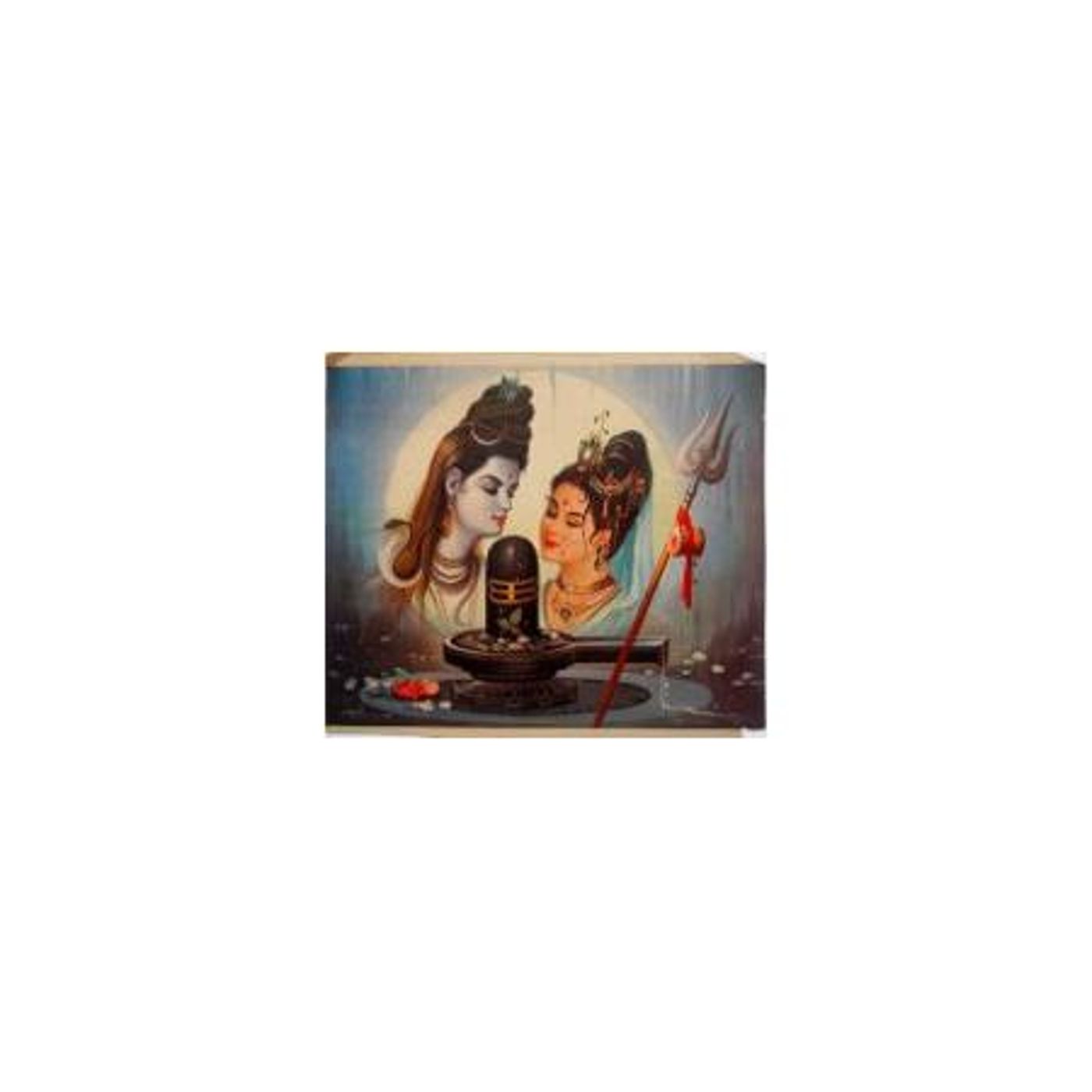
In Hinduism, the linga or lingam (Sanskrit for "symbol") is the symbol of the god Shiva and the form in which he is most commonly worshipped. The phallic symbol is the main object of worship in Shaivite temples and homes throughout India and the world. The linga is a simple stylized phallus that nearly always rests on pedestal of a stylized yoni, or female sex organ. Together, the linga and yoni represent the power of creative energy and fertility. In the primary religious ritual of devotees of Shiva, the linga is honored with offerings of flowers, milk, pure water, fruit, leaves and rice. In Egypt this stone is the Benben, in Greece it is the Omphalos, in Rome it is the Baetyl and in Hinduism it is the Shiva lingahe Omphalos.The Egyptian myth had Atum standing on the Benben during his act of creation. Shiva's fiery linga which broke up from the nether world is the axis mundi and is the first linga from which Shiva emerged. The concept of the axis mundi is world wide and an explanation of its various meanings and symbols can be found at: http://en.allexperts.com/e/a/ax/axis_mundi.htm. The concept of the baetyl predates Shiva and can be found in the Indus Valley civilizationBecome a supporter of this podcast: https://www.spreaker.com/podcast/o-ye-drybones-archive--6500709/support.

In Hinduism, the linga or lingam (Sanskrit for "symbol") is the symbol of the god Shiva and the form in which he is most commonly worshipped. The phallic symbol is the main object of worship in Shaivite temples and homes throughout India and the world. The linga is a simple stylized phallus that nearly always rests on pedestal of a stylized yoni, or female sex organ. Together, the linga and yoni represent the power of creative energy and fertility. In the primary religious ritual of devotees of Shiva, the linga is honored with offerings of flowers, milk, pure water, fruit, leaves and rice. In Egypt this stone is the Benben, in Greece it is the Omphalos, in Rome it is the Baetyl and in Hinduism it is the Shiva lingahe Omphalos.The Egyptian myth had Atum standing on the Benben during his act of creation. Shiva's fiery linga which broke up from the nether world is the axis mundi and is the first linga from which Shiva emerged. The concept of the axis mundi is world wide and an explanation of its various meanings and symbols can be found at: http://en.allexperts.com/e/a/ax/axis_mundi.htm. The concept of the baetyl predates Shiva and can be found in the Indus Valley civilizationBecome a supporter of this podcast: https://www.spreaker.com/podcast/o-ye-drybones-archive--6500709/support.

NOW PLAYING

The Goddess Rising Network : Shiva lingam

0:00 1:09:41

No transcript for this episode yet

We transcribe on demand. Request one and we'll notify you when it's ready — usually under 10 minutes.

No similar episodes found.

No similar podcasts found.

Frequently Asked Questions

How long is this episode of O YE DRYBONES (FEB 2019 - JAN 2025)?

This episode is 1 hour and 9 minutes long.

When was this O YE DRYBONES (FEB 2019 - JAN 2025) episode published?

This episode was published on March 18, 2015.

What is this episode about?

In Hinduism, the linga or lingam (Sanskrit for "symbol") is the symbol of the god Shiva and the form in which he is most commonly worshipped. The phallic symbol is the main object of worship in Shaivite temples and homes throughout India and the...

Can I download this O YE DRYBONES (FEB 2019 - JAN 2025) episode?

Yes, you can download this episode by clicking the download button on the episode player, or subscribe to the podcast in your preferred podcast app for automatic downloads.
URL copied to clipboard!