
EPISODE · Jun 2, 2026 · 25 MIN
The Goldilocks Nervous System
from What Are Days For · host Fernando Pessoa
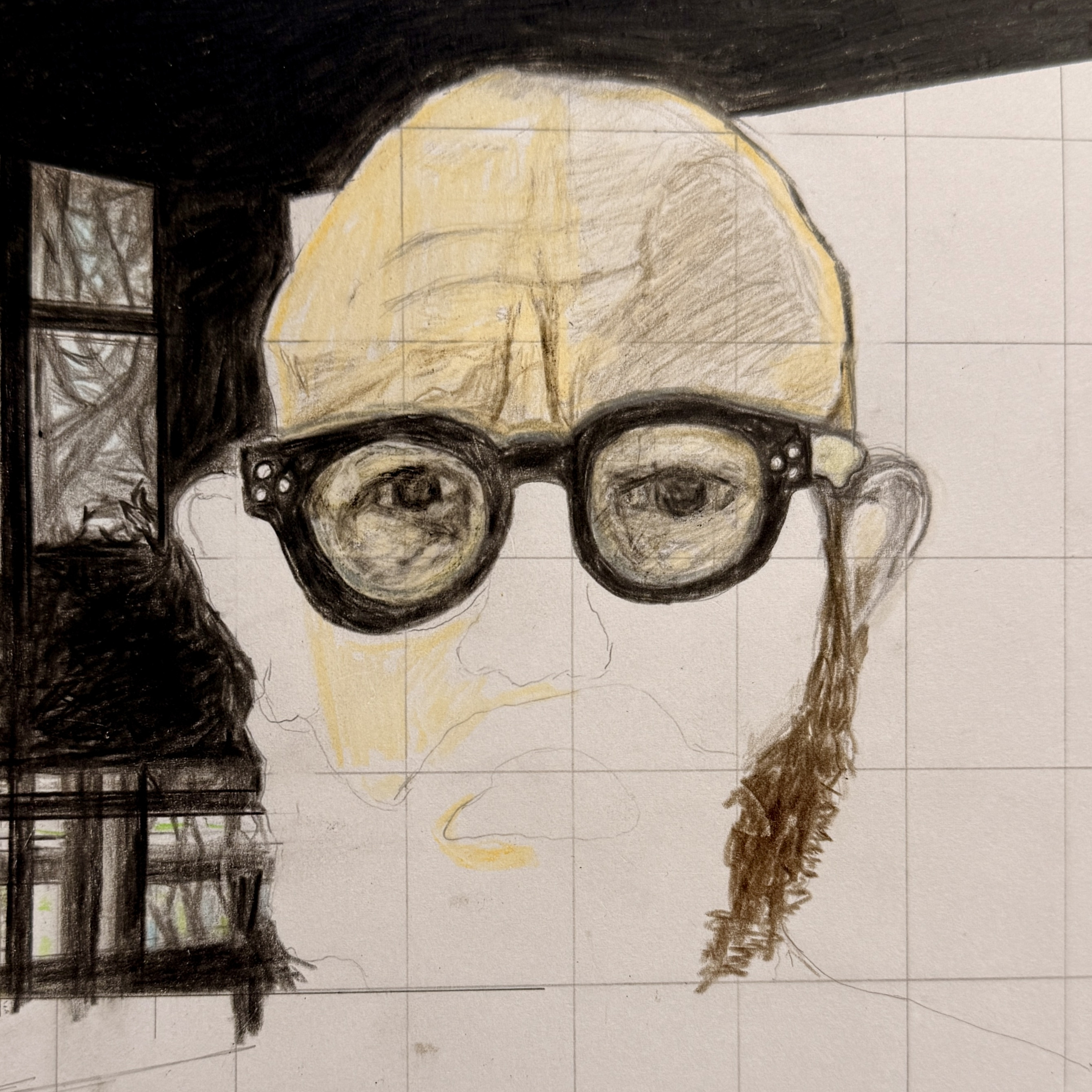
Steve opens in a state of heightened sensitivity where ordinary traffic noise feels overwhelming despite noise cancelling headphones. The issue is not the volume itself but the nervous system receiving it. He describes himself as being in “highly sensitive idiot mode”, frustrated by a day spent “chasing my own tail” while feeling he has accomplished very little. • The dramatic swing from heatwave to torrential rain becomes a reflection on climate change and modern weather extremes. Steve notes that what was once called “global warming” now feels more like a rolling climate crisis, marked less by gradual warming than by constant oscillation between extremes. • A running theme is Steve’s recognition that he lives with a perpetual Goldilocks problem. He becomes too hot, removes layers, then becomes too cold, adds them back, and repeats the cycle. What begins as a comic episode of stripping off jumpers while walking Max becomes a meditation on the search for homeostasis. Comfort appears as an endlessly negotiated middle ground between opposing states. • The forgotten word “haggis” becomes a miniature victory after several minutes of mental searching, highlighting both amusement and irritation with the ageing, distracted mind. Small retrieval failures feel oddly significant when already in a heightened state. • The Scottish word “boke” delights Steve because it compresses an entire disgust reaction into a single sound. He admires words that seem to embody the sensation they describe. • There is a lingering thread of post-surgery anxiety. A slight discomfort around the hernia repair prompts worries about whether he has strained something, despite logically recognising that six weeks on the mesh should be secure. The anxiety appears less about evidence and more about bodily vigilance. • Steve continues refining the philosophical framing of his emerging project. After discussion, “Worth Doing” increasingly wins over “Worth Experiencing.” He likes that it works both casually and philosophically. On the surface it simply asks, “Is that worth doing?” but underneath it opens deeper questions about value, risk, desire, meaning, and how we decide what a life should contain. • A substantial insight emerges around AI generated art. Steve agrees with the criticism that hand-drawn illustrations would possess more life and personality. Yet he is fascinated by the paradox that people increasingly use AI to imitate human imperfection. Technology is now being employed to recreate the quirks, mistakes, and rough edges that technology originally removed. • He reflects that one hidden cost of AI is the loss of iteration. When something appears instantly, people are more likely to accept the first draft. The traditional creative process of making version two, three, and four often contains discoveries that the instant solution bypasses. • Everyday irritations repeatedly become comic philosophy. Carrying Max, a microphone, a phone, a lead, and a warm bag of dog faeces turns into an absurd reflection on burden and relief. Finding a public bin produces disproportionate joy because an annoyance disappears instantly. • Food becomes another recurring source of pleasure and identity. Steve embraces his sweet tooth, joking about his slide towards “lardage” while defending low calorie homemade ice cream as a practical compromise between appetite and waistline. • He becomes increasingly enchanted by the possibility of a Ninja soft serve machine. What begins as a discussion of ice cream turns into enthusiasm for creativity, control, and abundance. The machine represents the ability to produce delight on demand. • A final thread concerns technology and creativity more broadly. Whether discussing AI art, local AI models, or design work, Steve repeatedly returns to the same question: does convenience subtly rob us of the journey that makes creation meaningful?
Embed this episode
Ready to play
The Goldilocks Nervous System
No transcript for this episode yet
Similar Episodes
No similar episodes found.