
EPISODE · May 8, 2026 · 25 MIN
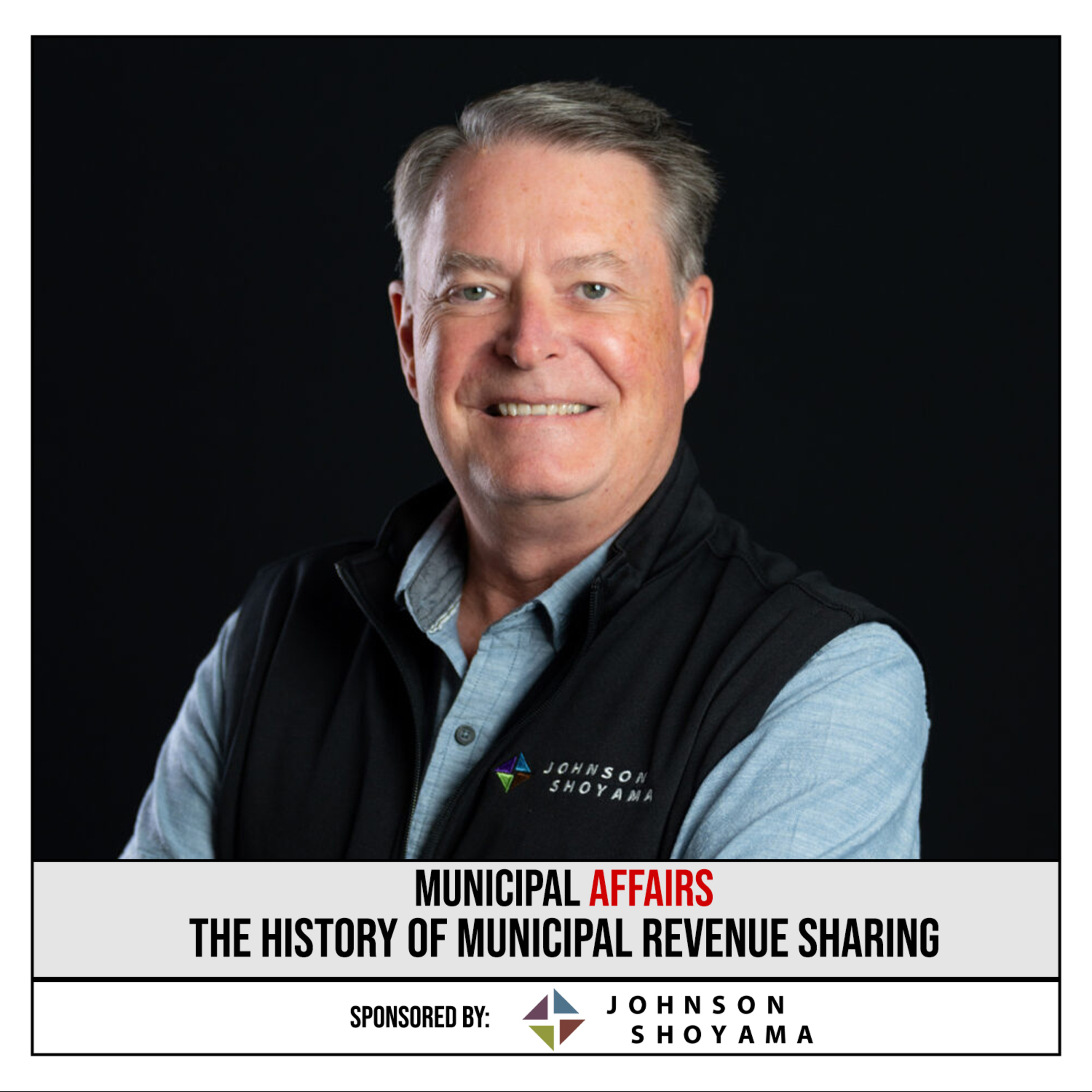
The History Of Municipal Revenue Sharing
from Municipal Affairs · host Cross Border Network
There’s a quiet truth that echoes in council chambers from coast to coast: when it comes to stable, predictable municipal funding, not all systems are created equal. In fact, ask almost any municipal leader across Canada, and you’ll hear the same thing—if their province followed Saskatchewan’s lead, their communities would be on much stronger footing.Because in Saskatchewan, they built something different. Something durable. Something that, nearly two decades later, is still widely considered the gold standard for municipal–provincial relations.It all comes down to one idea: the Saskatchewan Municipal Revenue Sharing program.At its core, the Municipal Revenue Sharing program—often called MRS—is a simple but powerful concept. It ties municipal funding directly to the strength of the provincial economy, allocating a portion of provincial sales tax revenue to communities. The result? Funding that is predictable, transparent, and—perhaps most importantly—no strings attached.Since its introduction, that funding has grown dramatically, increasing more than 200 percent across the province since 2007. But behind that success story is a moment in time—a political window, a collaborative effort, and a group of people who saw an opportunity to rethink how municipalities are funded.One of those people is Keith Comstock.As Assistant Deputy Minister of Government Relations, Comstock played a central role in shaping and implementing the program, working across political lines to turn an idea into a lasting institution. Today, he continues to influence the next generation of policy leaders as Executive-in-Residence at the Johnson Shoyama Graduate School of Public Policy.In this episode, we’ll explore how the Municipal Revenue Sharing program came to life, the role the 2007 Saskatchewan election played in accelerating its adoption, and why—nearly twenty years later—it continues to set the benchmark for the rest of the country.This is Municipal Affairs.------This episode of Municipal Affairs was sponsored by: Johnson Shoyama Graduate School of Public Policyhttps://www.schoolofpublicpolicy.sk.ca/------Support The Show Today: https://www.crossborderinterviews.ca/support-the-showJoin The Show: https://www.crossborderinterviews.ca/be-part-of-the-show ------Listen To The Show:Apple: https://apple.co/41p5I2ISpotify: https://bit.ly/3tkvb0E YouTube: https://www.youtube.com/crossborderinterviewswithchrisbrown------Follow Us On Social Media:Instagram: https://www.instagram.com/crossborderpodcast/Bluesky: https://bsky.app/profile/crossbordernetwork.bsky.social Threads: https://www.threads.net/@crossborderpodcast Facebook : https://www.facebook.com/CrossBorderInterviews/Linkedin: https://www.linkedin.com/company/crossborderinterviews/ Website: https://www.crossborderinterviews.ca/Municipal Affairs is Part of The Cross Border Network©2026
Embed this episode
NOW PLAYING
The History Of Municipal Revenue Sharing
No transcript for this episode yet
Similar Episodes
No similar episodes found.
Similar Podcasts
No similar podcasts found.