
EPISODE · Mar 1, 2026 · 39 MIN
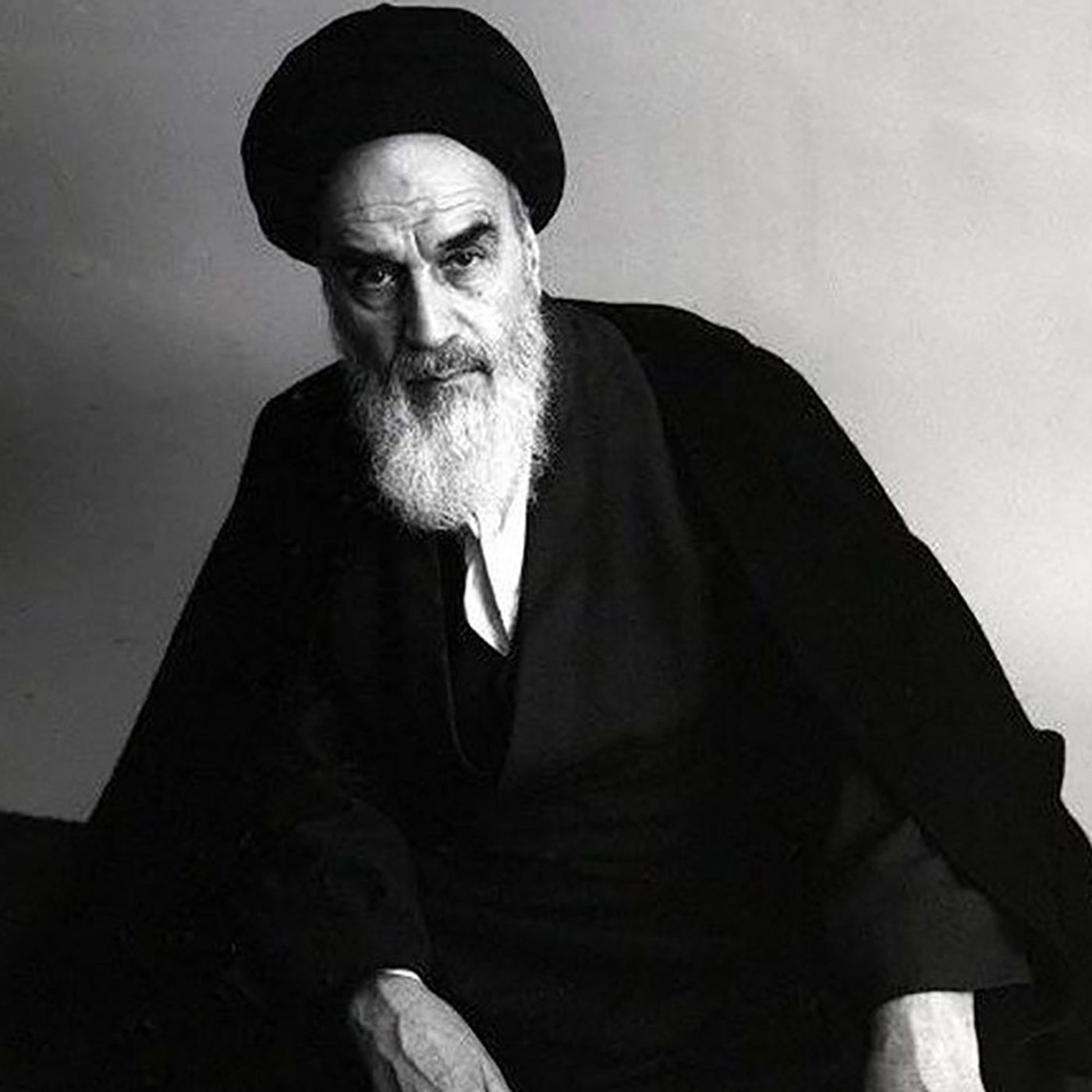
The Legacy and Leadership of Ruhollah Khomeini
from The World Between Us · host Norse Studio
Ayatollah Ruhollah Khomeini was the central figure of the 1979 Islamic Revolution, transforming Iran from a secular monarchy into a theocratic republic. Born in Khomeyn at the turn of the 20th century, he emerged as a leading Shi'a scholar and teacher in the holy city of Qom. His political activism intensified in the early 1960s when he vocally opposed the Shah’s "White Revolution," which he viewed as a Western-influenced attack on Islam. Following his arrest and subsequent expulsion in 1964, he spent over fourteen years in exile, primarily in Iraq and later in a small village outside Paris. From abroad, he utilized recorded messages on cassette tapes to mobilize a broad coalition of Iranians against the Pahlavi dynasty.In early 1979, following the Shah's departure, he returned to Tehran to a massive public reception of millions. He established a new system of governance based on the concept of Velayat-e Faqih, or Guardianship of the Islamic Jurist, which granted supreme political and religious authority to the clergy. This theory argued that in the absence of the Hidden Imam, a qualified jurist should lead the state to ensure the implementation of divine law. By late 1979, a new constitution formalized this role, making him the Supreme Leader of Iran for life.His leadership was characterized by a sharp break from Western influence, famously referring to the United States as the "Great Satan". This anti-Western sentiment was solidified during the 444-day hostage crisis at the American embassy in Tehran, which he used to consolidate domestic support for the new theocratic system. Domestically, his regime oversaw the thorough Islamicization of society, enforcing strict religious dress codes and purging secular, feminist, or leftist opposition groups.The defining conflict of his tenure was the eight-year Iran-Iraq War, which began with an Iraqi invasion in 1980. He framed the war as a spiritual struggle between absolute good and absolute evil, often motivating the population through the concept of martyrdom. Despite the immense human and economic cost, he initially refused a truce, demanding reparations and the removal of the Iraqi leadership. It was only in 1988 that he finally accepted a United Nations-mediated ceasefire, describing the decision as more painful than drinking a "poisoned chalice".In the final months of his life, he sparked a global diplomatic crisis by issuing a 1989 fatwa calling for the death of the author of a controversial novel, which he deemed blasphemous against Islam. This decree led to international boycotts, the breaking of diplomatic ties with the United Kingdom, and several violent attacks worldwide. He died on June 3, 1989, due to heart failure after a period of declining health. His state funeral was attended by approximately one-fifth of Iran's population, making it one of the largest and most frenzied public gatherings in history. His ideological framework and the institution of the Supreme Leader continue to define the political structure of the Islamic Republic today.Become a supporter of this podcast: https://www.spreaker.com/podcast/the-world-between-us--6886561/support.
Embed this episode
NOW PLAYING
The Legacy and Leadership of Ruhollah Khomeini
No transcript for this episode yet
Similar Episodes
No similar episodes found.
Similar Podcasts
No similar podcasts found.