
EPISODE · Oct 18, 2024 · 42 MIN
The Media's War on Children
from It's Not You, It's The Media
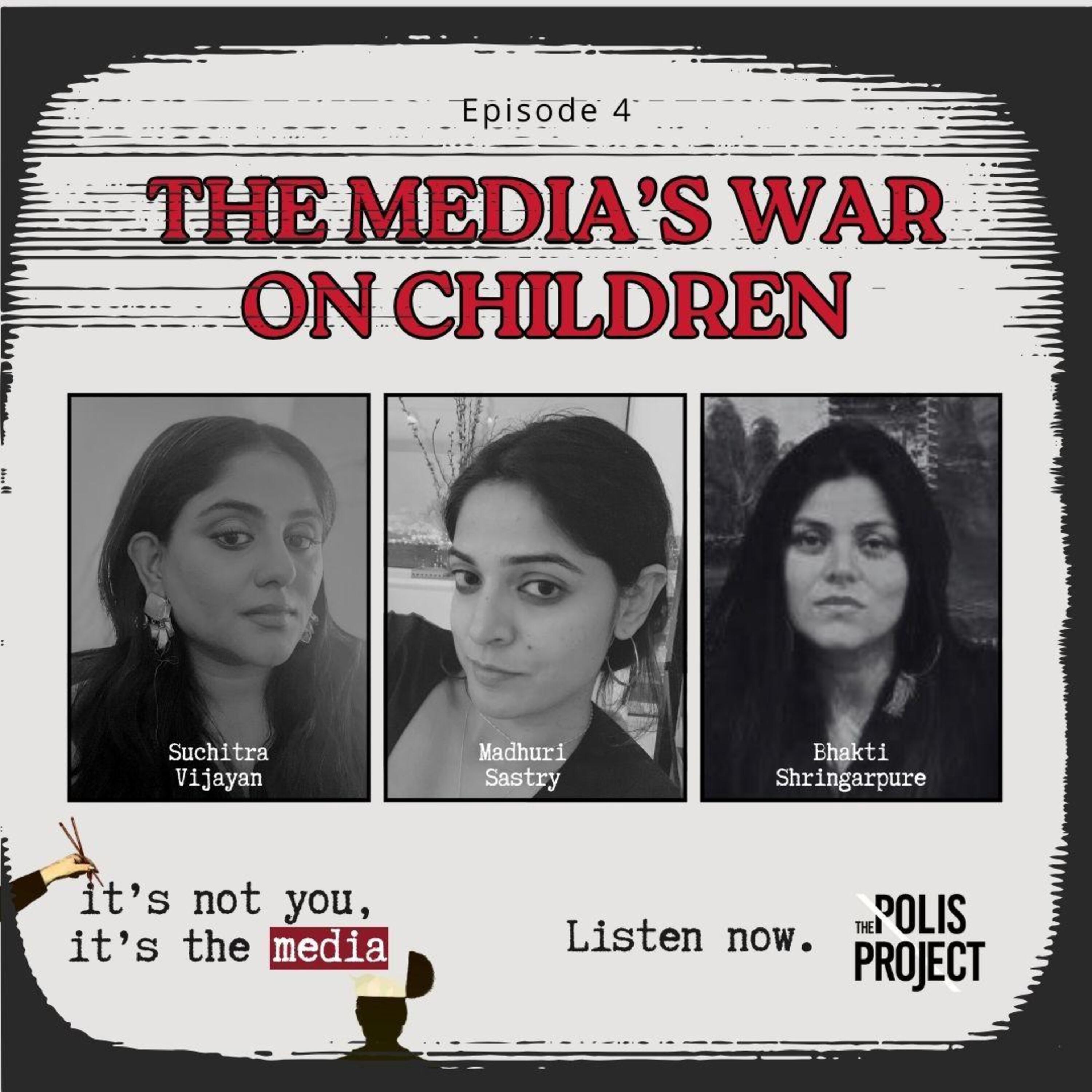
Suchitra, Bhakti, and Madhuri delve into the media's problematic portrayal of children, particularly in conflict zones. The episode asks: who gets to be a “child” in mainstream media? The coverage of children over the years reveals two broad themes: 1) the process of “un-childing” and 2) tendency towards saviorism that can produce troubling representations of children’s bodies, especially girls. It addresses how language and representation shape perceptions of childhood, the impact of state policies on Black, brown, and Muslim children, as well as, the contradictions in society's view of innocence. The conversation also highlights the role of the media in normalizing violence against children and maintaining a savior complex that often accompanies humanitarian narratives in non-white and conflict-zone countries. Ultimately, it emphasizes the need for hope and resilience in the face of despair.Keywords: Journalism, media ethics, reporting, headlines, propaganda, narratives, children, Palestine, minority discrimination in the US, race and religious discrimination, representation, genocide, saviorism, white-saviorism, un-childing, police violence, childhood, activism, humanitarianism Key Takeaways: The media plays a significant role in shaping perceptions of childhood.Legal manipulation of language legitimizes comes first and enables the media to justify violence against children.Palestinian children have historically been dehumanized in media coverage.The US has waged totalizing war against children seen in their coverage of police killings of Black youth and in their child services systems.The concept of 'un-childing' reflects a broader societal issue.State policies disproportionately affect non-white children.The basis of colonialism and the existence of the empire is in deliberately targeting family structures that are not deemed conventional or appropriate for them, examples are, removing children from parents, destroying indigenous family structures, etc.There is a contradiction in society's view of childhood innocence.The notion of “genocide” in Palestine is debated in the media but analyzing the deliberate killing of children precisely proves this. Visuals of suffering children can evoke sympathy but also desensitize audiences.Saviorism in humanitarian efforts can perpetuate colonial narratives.Hope and resilience are essential in the fight for justice.Resistance to totalizing logic of Palestinian annihilation and erasure is necessary. A podcast by The Polis Project https://www.thepolisproject.com/References:Incarcerated Childhood and the Politics of Unchilding by N. Shalhoub-KevorkianUN experts deeply concerned over ‘scholasticide’ in Gaza: OHCHRBlack Disparities in Youth Incarceration by The Sentencing ProjectParents behind Bars and Racial disparities: AFCOIPUS: Family Separation Harming Children, Families: HRWRacism at Every Stage: Data Shows How NYC’s Administration for Children’s Services Discriminates Against Black and Brown Families: NYCLUSlacktivism by Oxford English DictionaryClicktivism by Oxford English DictionaryGuidelines for ethical reporting on children in conflict: International Journalists’ NetworkA Hierarchy of Innocence: The Media's Use of Children in the Telling of International News by Susan MoellerThe War on Children, 2018 report by Save The ChildrenThe rise of the digital saviour: can Facebook likes change the world? By Bhakti ShringarpureBoy with a Mustard Shirt by Suchitra VijayanThe Status of Palestinian Children During the Uprising in the Occupied Territories by Anne Elisabeth Nixon and Swedish Save the Children
Embed this episode
Ready to play
The Media's War on Children
No transcript for this episode yet
Similar Episodes
No similar episodes found.
Similar Podcasts
No similar podcasts found.