
EPISODE · Aug 28, 2026 · 3 MIN
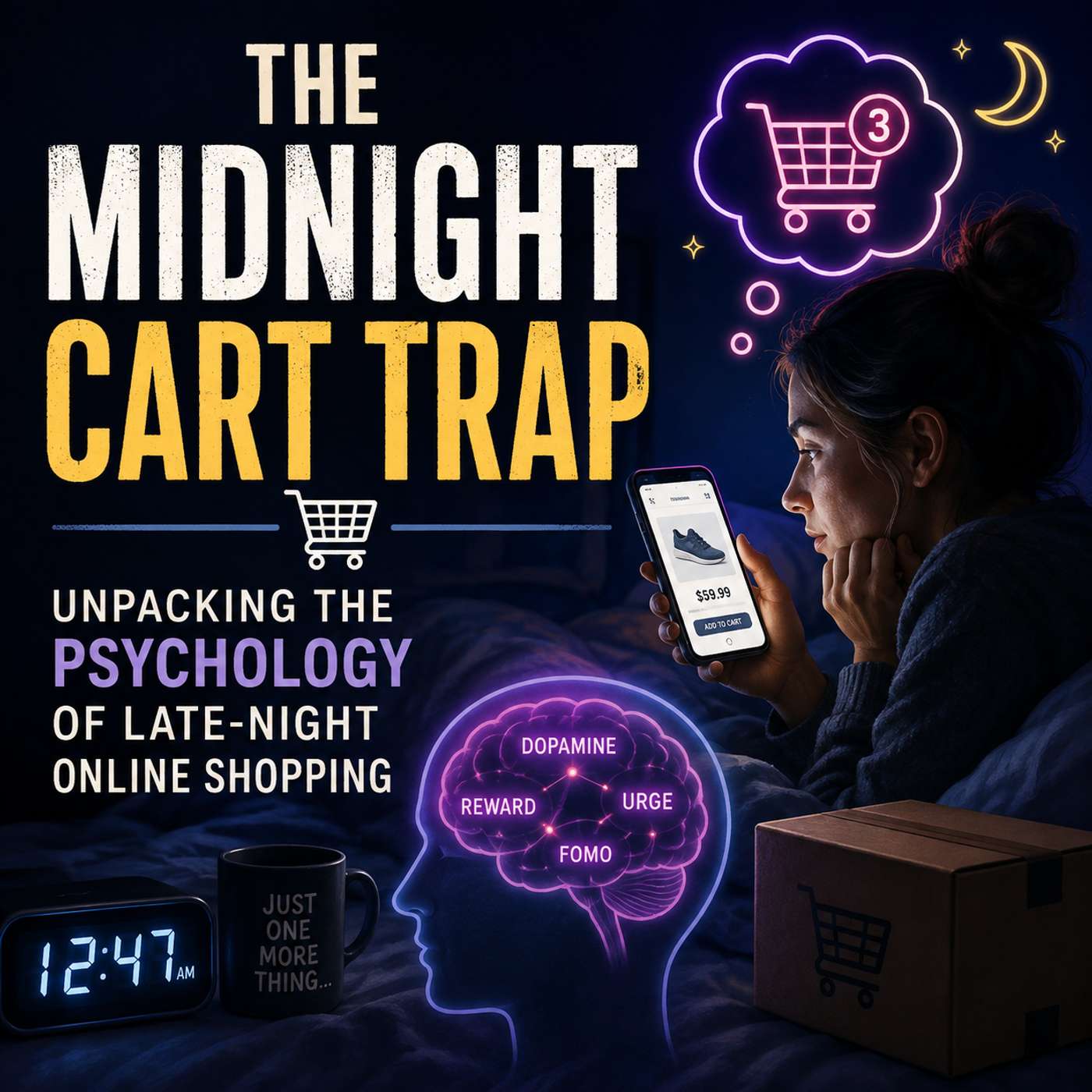
The Midnight Cart Trap: Unpacking the Psychology of Late-Night Online Shopping
from Recovery News · host Recovered Life
In the modern digital economy, the retail marketplace never closes. Gone are the days when shopping required planning a trip to a physical store during normal business hours. Today, with a smartphone resting on our nightstands, thousands of digital storefronts, targeted social media ads, and one-click payment systems remain open twenty-four hours a day. While this friction-free convenience offers unprecedented ease, it has also created a quiet, expensive crisis for millions of people: compulsive late-night online shopping. According to a relatable personal finance feature published by BBC News, one individual revealed how late-night scrolling spiraled into a habit costing over seven hundred pounds a month, illustrating how fatigue, targeted algorithms, and digital convenience combine to erode financial self-control.Psychologists and financial experts explain that the late-night hours create a perfect storm for compulsive buying. When we are exhausted or suffering from insomnia, the prefrontal cortex—the region of the brain responsible for impulse control, executive decision-making, and long-term planning—functions with significantly reduced capacity. At the same time, late-night stress, loneliness, or fatigue increases our brain's craving for quick emotional rewards. Browsing e-commerce apps delivers immediate, effortless dopamine hits. E-commerce platforms explicitly optimize their recommendation algorithms to serve targeted ads during late-night hours, knowing that tired users are far less likely to resist persuasive sales pitches.What makes overcoming a late-night shopping habit challenging is that digital storefronts eliminate all physical barriers to spending. Saved credit card details, express checkout buttons, and buy-now-pay-later services mean a purchase can be finalized in seconds—long before the logical brain has time to weigh the long-term financial consequences. To break free from this expensive cycle, behavioral experts recommend introducing intentional friction back into the shopping process. Simple steps like setting app time limits, removing saved payment cards from phones, establishing a strict "24-hour cooling-off rule" for items placed in digital carts, and leaving phones outside the bedroom at night can dramatically curb impulse buys.Ultimately, the BBC’s feature highlights that overcoming compulsive late-night spending isn't just about willpower; it is about designing environment boundaries that protect us when we are most vulnerable. By recognizing that late-night shopping is often an emotional response to fatigue rather than a genuine need for products, individuals can take back control of their finances. Re-establishing healthy nighttime boundaries allows shoppers to protect their savings, improve their sleep quality, and build a far healthier relationship with money in the digital age. Join the Recovered Life Community here!
Embed this episode
Ready to play
The Midnight Cart Trap: Unpacking the Psychology of Late-Night Online Shopping
No transcript for this episode yet
Similar Episodes
No similar episodes found.
Similar Podcasts
No similar podcasts found.