
EPISODE · Sep 8, 2025 · 54 MIN
The Neuroscience Of Anxiety
from A Quest for Well-Being · host Valeria Teles
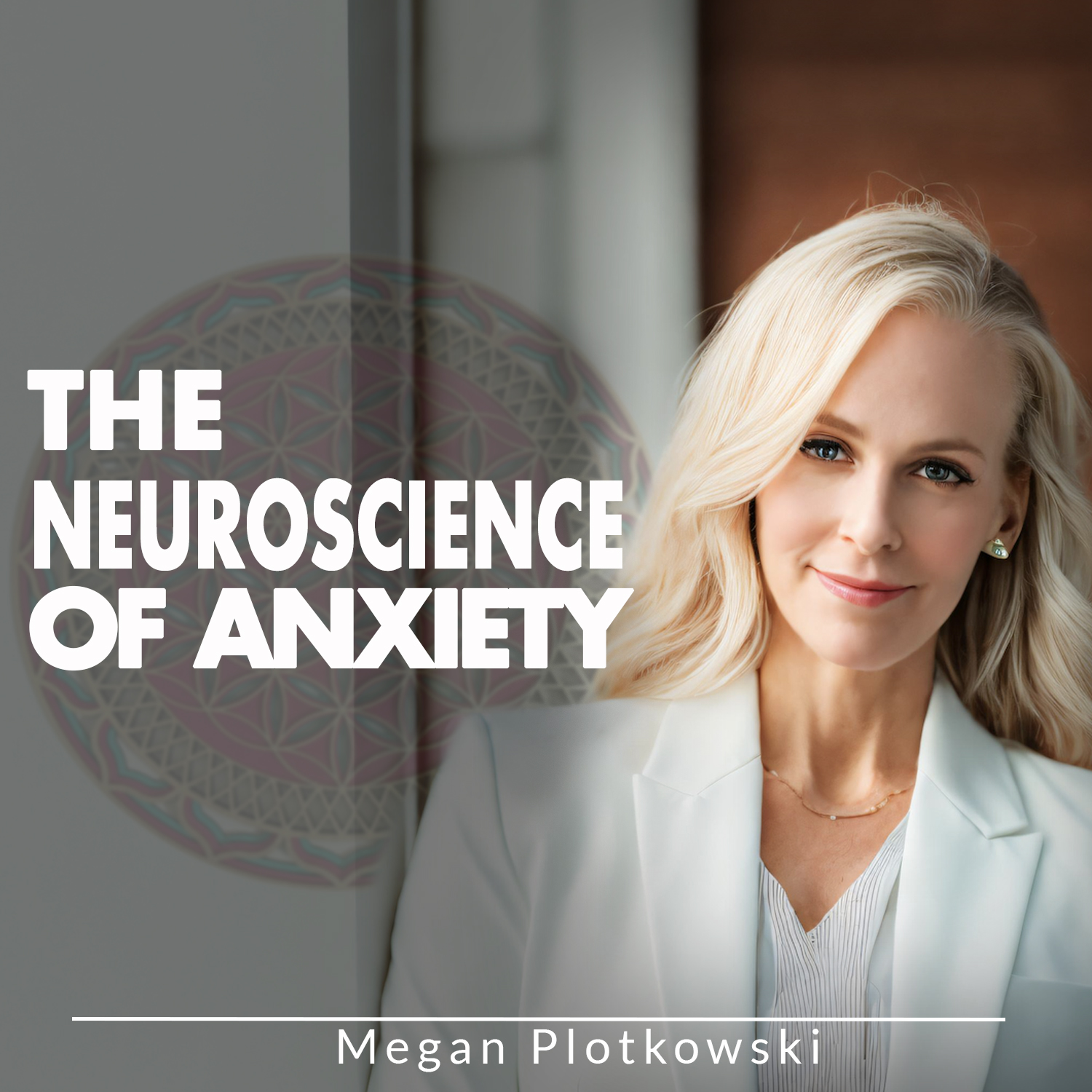
— All bodily sensations, including those visceral feelings from your chest and stomach, are relayed back to the brain through the pathways via the spinal cord. Your already anxious and highly alert brain then processes these signals at both conscious and unconscious levels. The insula is a part of the brain specifically involved in conscious awareness of your emotions, pain and bodily sensations. The prefrontal cortex also engages in self-awareness, especially by labeling and naming these physical sensations, like feeling tightness or pain in your stomach, and attributing cognitive value to them, like "this is fine and will go away" or "this is terrible, and I am dying." These physical sensations can sometimes create a loop of increasing anxiety as they make the brain feel more scared of the situation because of the turmoil it senses in the body. Although the feelings of fear and anxiety start in your brain, you also feel them in your body because your brain alters your bodily functions. Emotions take place in both your body and your brain, but you become aware of their existence with your brain. — by Arash Javanbakht, Associate Professor of Psychiatry, Wayne State University Valeria interviews Dr. Megan Plotkowski on the topic of The Neuroscience Of Anxiety — Dr. Megan is an EMDR-trained Associate Marriage and Family Therapist who brings a rare fusion of scientific precision, emotional depth, and intuitive clarity to her clinical work. She holds a PhD in molecular biology and biochemistry with an emphasis in neuroscience, as well as a master's degree in clinical psychology—bridging the world of hard science with the complexities of human experience. Megan currently works in both private practice and community mental health, specializing in clients who feel overwhelmed, emotionally stuck, or disconnected—particularly those navigating anger, anxiety, addiction, trauma, or complex family dynamics. Before entering the field of psychotherapy, Megan worked as a research scientist at Amgen and UCLA, contributing to groundbreaking studies in molecular genetics and neural protein structure and function. She also taught at UCLA. Her academic background continues to inform a therapy style rooted in evidence-based practice, intellectual rigor, and deep compassion. In recent years, Megan has also come to recognize and trust a deep intuitive knowing that emerges both in her personal life and in the therapy room. This awareness led her to develop a dual-wisdom model of therapy that honors both the analytical and the unseen—a framework that bridges neuroscience and symbolism, logic and lived experience, insight and mystery. Whether drawing from hard science, depth psychology, or intuition, Megan's work is grounded in the belief that healing often begins where the visible ends—and that true transformation happens when the unspoken is finally brought into the light. To learn more about Megan Plotkowski and her work, please visit: https://www.thescientisttherapist.com/
Embed this episode
NOW PLAYING
The Neuroscience Of Anxiety
No transcript for this episode yet
Similar Episodes
No similar episodes found.
Similar Podcasts
No similar podcasts found.