
EPISODE · Jan 17, 2026 · 36 MIN
The Nobel Peace Prize: Politics, Power, and the Trump Era
from The World Between Us · host Norse Studio
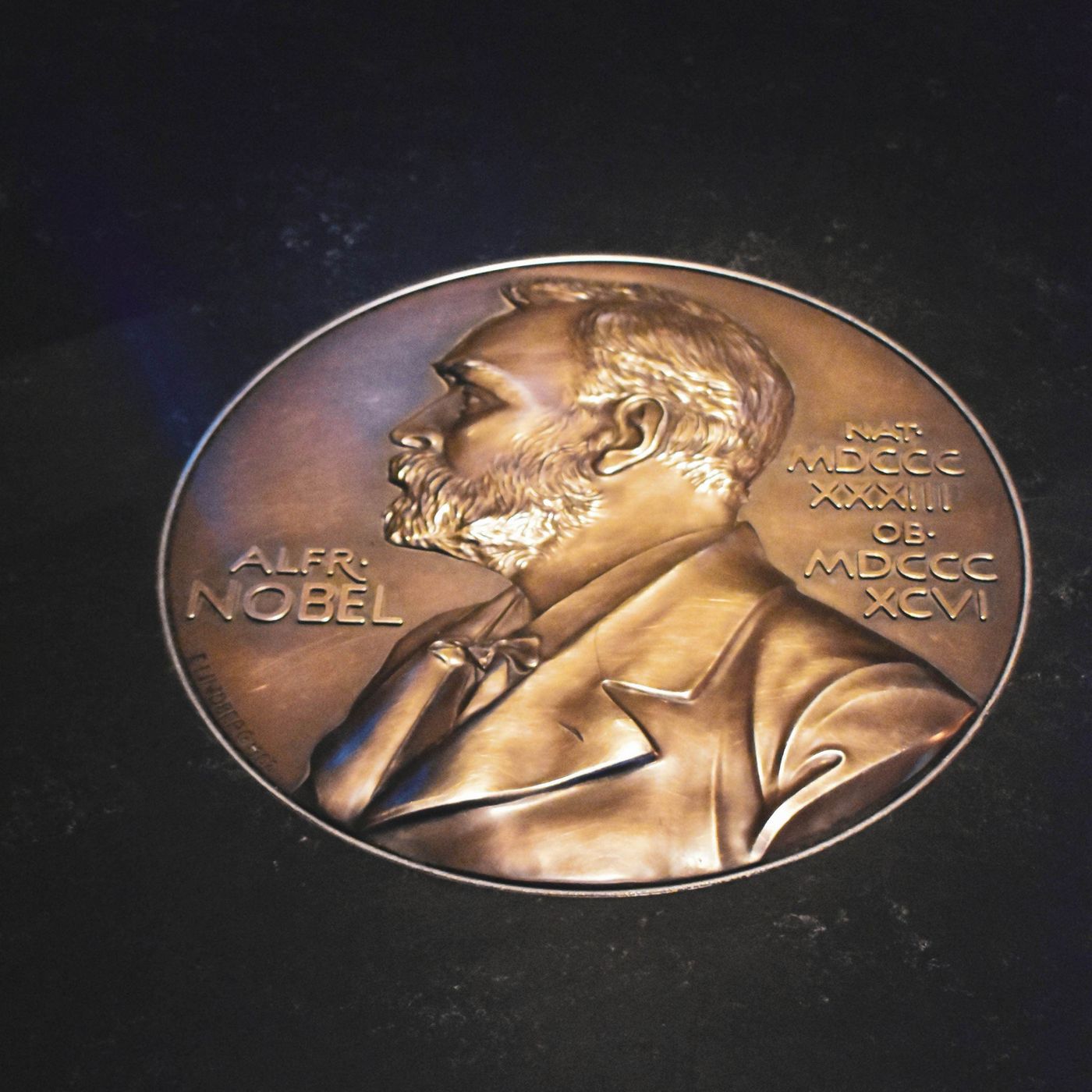
The Nobel Peace Prize is one of the most prestigious honors in the world, yet it remains a subject of frequent controversy and intense political debate. Established by Alfred Nobel to recognize those who have done the most for fraternity between nations and the abolition of standing armies, the award has increasingly been viewed as a political tool rather than a purely objective recognition of peace. Unlike the Nobel prizes for physics or chemistry, which are based on empirical achievement, the Peace Prize is inherently subjective. This subjectivity is compounded by the fact that the Norwegian Nobel Committee is appointed by the Norwegian Parliament, meaning its composition and decisions often reflect the political climate and national interests of Norway.A fundamental rule of the Nobel Peace Prize is that it cannot be revoked, shared, or transferred. The Norwegian Nobel Committee has established that once a prize is announced, the decision is final and stands for all time. This permanence was highlighted in January 2026 when Venezuelan opposition leader María Corina Machado made a symbolic gesture by presenting her Nobel Peace Prize medal to Donald Trump at the White House. Machado, who received the award for her struggle against the authoritarian state in Venezuela, stated she was giving the medal to Trump in recognition of his commitment to her country’s freedom. While the physical medal changed hands, the Nobel organizers clarified that the title of laureate cannot be transferred. They noted that while a medal can change owners, the official status of the winner remains unchanged.Donald Trump’s pursuit of the Nobel Peace Prize has been a recurring theme in recent years. His supporters have nominated him multiple times, citing specific diplomatic results such as the brokering of an Israel-Hamas ceasefire and peace agreements between Armenia and Azerbaijan, as well as between Congo and Rwanda. These nominations argue that the prize should honor measurable results and "peace through strength" rather than just ideals. However, critics suggest that these actions often represent performative peace—short-term diplomatic spectacles or transactional diplomacy rather than deep-rooted structural change.The history of the award is filled with controversial laureates and significant omissions. Figures such as Shimon Peres, Henry Kissinger, and Aung San Suu Kyi have faced intense scrutiny when their subsequent actions or past military involvements appeared to contradict the principles of peace. For instance, Aung San Suu Kyi was criticized for her response to the persecution of the Rohingya minority, yet the committee maintained that it could not rescind her award. The committee also faced backlash for awarding the prize to Barack Obama only nine months into his first term, a decision that sparked skepticism regarding whether the honor was based on achievement or hope. Conversely, the failure to ever award the prize to Mahatma Gandhi is recognized by the committee as its most significant historical oversight.To maintain its moral authority, many experts argue that the Nobel Peace Prize must become more transparent and accountable. Currently, the committee’s deliberations are kept secret for 50 years, which prevents public scrutiny of the decision-making process. There is also a persistent criticism of Western or Eurocentric bias in the selection of laureates. As global conflicts continue to evolve, the relevance of the prize may depend on its ability to distinguish between genuine peacemakers who embody justice and human dignity and those whose actions are driven by political calculation or geopolitical pressure. Only by rising above these forces can the award serve as a true global beacon for peace. Hosted on Acast. See acast.com/privacy for more information.Become a supporter of this podcast: https://www.spreaker.com/podcast/the-world-between-us--6886561/support.
Embed this episode
NOW PLAYING
The Nobel Peace Prize: Politics, Power, and the Trump Era
No transcript for this episode yet
Similar Episodes
No similar episodes found.
Similar Podcasts
No similar podcasts found.